
Industrial electrical cable is the key element in any industrial electrical system.
They transport electricity between different equipment and machines, thus guaranteeing the security and reliability of the system.
There exists different types of industrial electrical cables, each with specific properties to meet the unique needs of the industry.
In this article, we will review the most common types of industrial electrical cables.
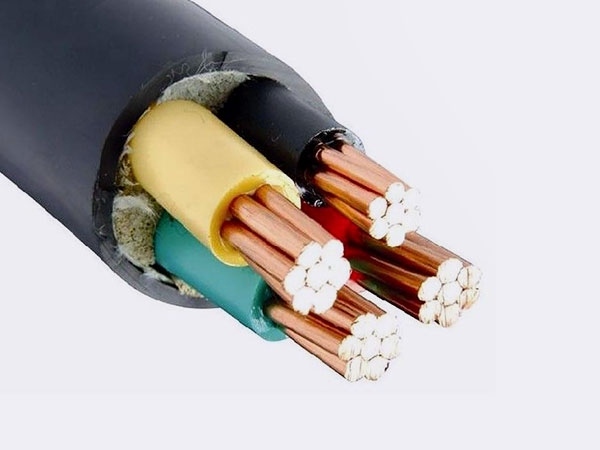
PVC Insulated Cables (polyvinyl chloride)
PVC insulated cables are the most commonly used in industry.
They are made from weather-resistant PVC, to heat and chemicals.
PVC insulated cables are available in a range of sizes and lengths, making them versatile and suitable for a wide variety of applications.
XLPE Insulated Cables (cross-linked polyethylene)
XLPE insulated cables are also very common in the industry.
They are made of cross-linked polyethylene, giving them increased resistance to high temperatures and chemicals.
XLPE insulated cables are also more resistant to electrical overloads and have a longer lifespan than PVC insulated cables.
Rubber Insulated Cables
Rubber insulated cables are used in harsher environments where flexibility and abrasion resistance are required.
They are generally used in mobile applications, such as construction machinery and lifting equipment.
Armored cables
Shielded cables are used in applications where protection against electromagnetic interference is required.
They are made with metal shielding to protect against external electromagnetic fields, making them suitable for noisy electrical environments.
Fiber Optic Cables
Fiber optic cables are used for high-speed data transmission.
They are made with glass or plastic fibers that transmit light signals instead of electrical signals.
Fiber optic cables are used in communication networks, data centers and other applications where high-speed data transmission and high bandwidth are required.
By choosing the appropriate cable type for each application, businesses can ensure optimal system performance while ensuring the safety of their employees and equipment.
How to Determine the Section of an Industrial Electric Cable ?

Industrial electrical cable cross section refers to the size of the metal conductor that carries electricity in industrial facilities.
This section is measured in square millimeters (mm²) and it is determined according to the electrical power required to power industrial equipment.
The section of the industrial electrical cable must be chosen carefully to guarantee the safety and reliability of the electrical installation.
Indeed, an insufficient cable section can lead to overheating and loss of power, while a cable with too large a section can cause unnecessary energy losses and additional costs.
The choice of cable section therefore depends on several factors such as the electrical power required, the length of the cable, the nature of the installation, room temperature, electrical voltage, etc.
The NF C standard 15-100 establishes the rules for choosing the section of electrical cables according to the power to be transported and the distance between the source and destination of the electricity.
This standard is very important to guarantee the safety and reliability of electrical installations.
Application of Industrial Electric Cable With Different Sections
In general, larger section cables are used for equipment requiring high electrical power, such as electric motors, transformers, industrial ovens, Machine-tools, etc.
Smaller section cables are rather used for equipment requiring lower electrical power, such as lighting, power outlets, the fans, etc.
It is important to note that the cross section of the industrial electrical cable should not be confused with the physical size of the cable.
Indeed, a large section cable may have a smaller physical size than a smaller section cable, because the current density in the conductor is greater.
SO, the choice of the section of the industrial electrical cable is a step
essential in the design and installation of an industrial electrical installation.
It is important to respect the standards in force and to take into account the different factors influencing the choice of section to guarantee the safety and reliability of the installation.
How about Flexible Industrial Electric Cable ?
Flexible industrial cable is a type of cable used in many industries to carry electrical power and control signals.
This cable is designed to be flexible, durable and resistant to harsh environmental conditions.
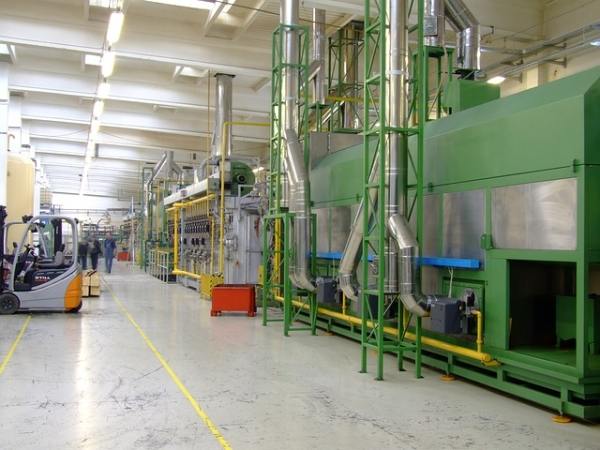
Typical applications for flexible industrial cable include machine tools, industrial robots, material handling equipment, automated production systems, production equipment for the food and pharmaceutical industry, as well as petrochemical production equipment.
One of the most important advantages of flexible industrial cable is its flexibility. Cables can be bent, twisted and handled without breaking or cracking.
This flexibility allows them to be used in tight spaces and reduces installation costs.
What's more, flexible industrial cable is designed to withstand harsh environmental conditions.
They are generally water resistant, in oil, in the heat, dust and corrosion.
This strength allows cables to operate efficiently in harsh industrial environments.
Flexible industrial cables are also durable.
They are designed to withstand high mechanical stress and repeated bending cycles without breaking.
This durability extends cable life and reduces maintenance costs.
Finally, flexible industrial cable is available in a variety of sizes and types to meet the specific needs of each application.
Cables can be shielded to protect control signals from electromagnetic interference and electrical noise.
The cables can also be equipped with specific connectors to facilitate their installation and maintenance.