
Flexible Cable
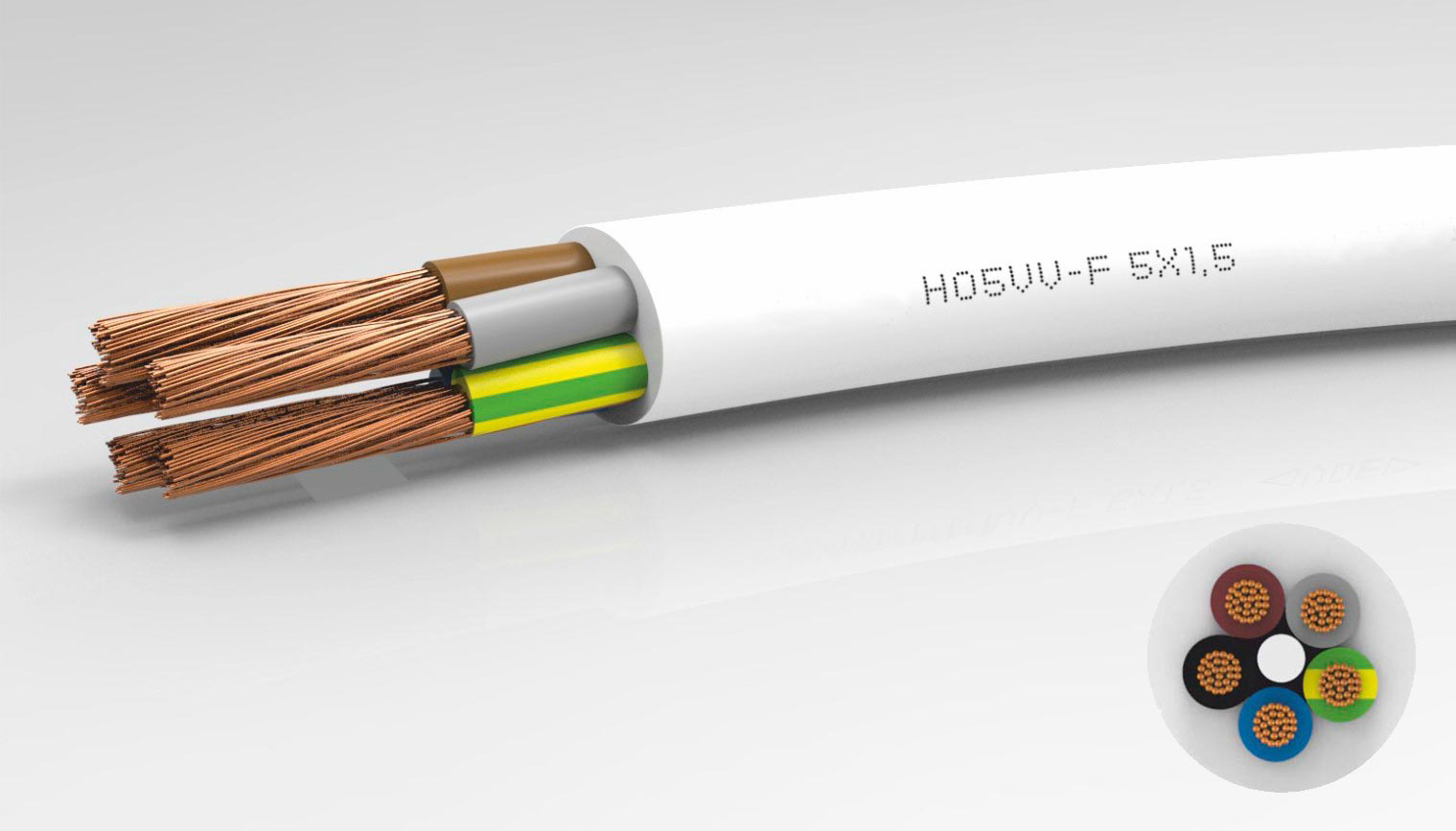
The flexible cable is an electrical driver made up of several very fine twisted copper wires. Compared to the rigid cable, It offers great flexibility as well as a simpler installation. According to the IEC standard 60228, Flexible cables are mainly classified into two categories :
- Class 5 : Standard multi -driver, used in most electrical installations (par ex. H07V-K, H05VV-F).
- Class 6 : very fine drivers, specially designed for applications requiring extreme flexibility, like robots, Shaft chains or welding.
Thanks to this structure, The flexible cable adapts perfectly to the environments requiring frequent curvors. We particularly recommend it for household appliances, industrial equipment and mobile machines.
ZMS flexible cable products
Flexible Electric Cable
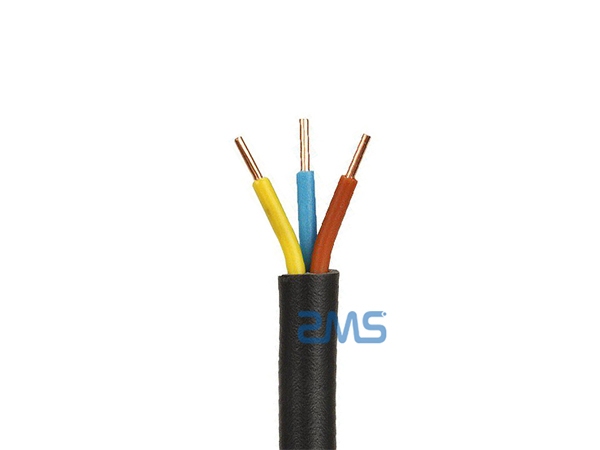
The flexible electric cable is a multi-conductor cable with PVC insulation and sheath, designed for the wiring of electrical panels, distribution cabinets and fixed installations in buildings. It is made of multi-stranded copper conductors Class 5 (IEC 60228), offering greater installation flexibility than rigid cables for routing in the restricted spaces of low-voltage boxes and installations.
Used by electrical installers, panel integrators and machine builders, it covers internal cabinet wiring applications, for connecting electrical appliances and fixed installations under low mechanical stress.
Types available from ZMS :
- H07V-K — internal panel wiring, installation fixe basse tension
- H05V-K — internal wiring of devices, low voltage
- NYAF — control and automation cabinets, VDE repository
- RV-K — distribution and supply, African and IEC markets
- H05VV-F — connection of fixed electrical appliances
ZMS Consulting :
The flexible electrical cable is suitable for installations without significant mechanical constraints — tables, cupboards, buildings. For applications exposed to shock, to oils or bad weather in a harsh industrial environment, opt for a flexible industrial power cable.
Flexible Power Cable
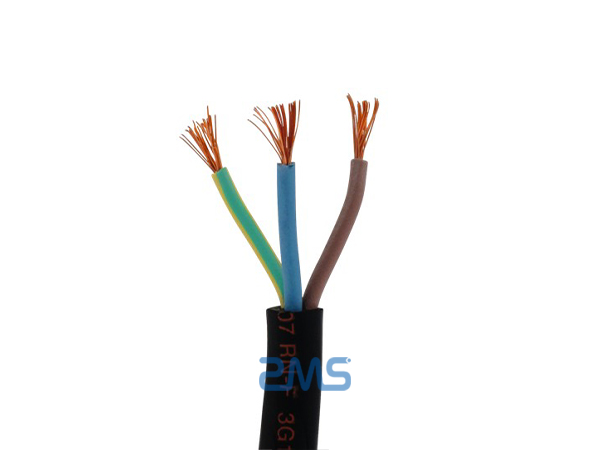
The industrial flexible power cable is a multi-conductor cable with rubber insulation and sheath (EPR/CR), in polyurethane (PUR) or reinforced neoprene, designed for powering mobile industrial equipment and construction site installations subjected to severe mechanical and environmental constraints. It is composed of multi-stranded copper conductors Class 5 (IEC 60228), in accordance with the EN standards 50525, IEC 60245 One your vde 0282.
Used on construction sites, in factories and demanding industrial environments, it supports repeated bending, mechanical shocks, exposure to oils and weather that standard PVC sheathed cables cannot absorb.
Types available from ZMS :
- H07RN-F — supply of construction site equipment and mobile machines
- H05RN-F — connection of portable devices and light equipment
- H07BQ-F — energy chains, high resistance to oils and abrasion
- NSHTÖU — mines, extreme careers and industrial environments
ZMS Consulting :
The flexible industrial power cable is essential as soon as the installation is exposed to oils, to bad weather or mechanical shock. For wiring electrical panels or fixed installations in buildings without mechanical constraints, the flexible electrical cable is sufficient and more economical.
Flexible armored cables (electromagnetic protection)
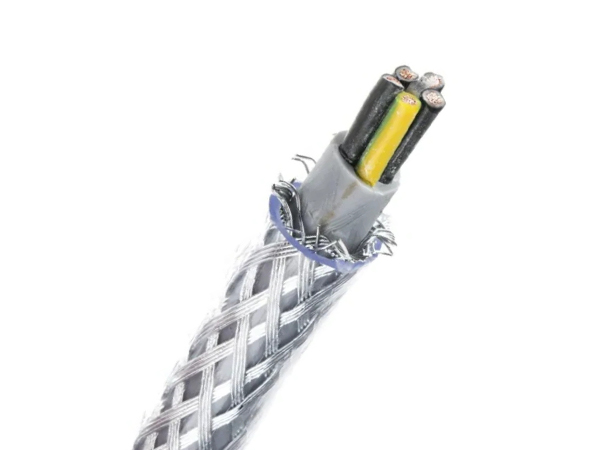
Some flexible cables Also exist in armored version, to ensure protection against electromagnetic interference (EMI). They are used in environments where data security and signal stability are crucial.
ZMS Consulting : Shielding is only necessary if the cable runs alongside equipment generating electromagnetic disturbances (frequency inverters, engines, nearby power lines) or transmits sensitive signals. For a simple power connection without risk of interference, a standard flexible cable is sufficient.
To discover in detail the different models and applications, See our page dedicated to Armored cables.
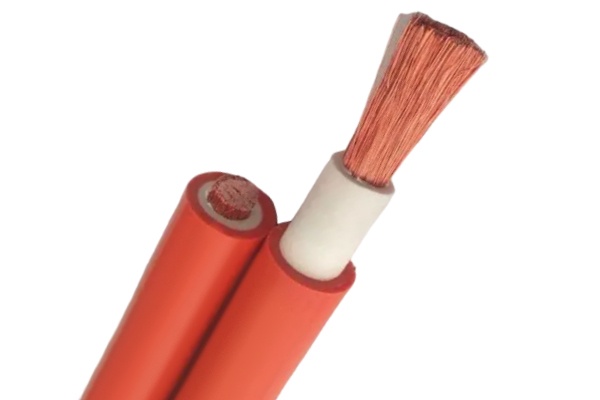
Flexible rubber insulation cable
The Flexible rubber insulation cable has two rubber insulation layers. Compared to traditional flexible cables, It offers better shock resistance and abrasion. It combines high mechanical resistance, excellent flexibility and proven durability even in difficult environments.
This type of cable is particularly suitable for outdoor applications, to construction sites, mobile machines as well as equipment subject to repeated mechanical constraints.
ZMS Consulting : This cable when mechanical strength and maximum durability are priority. Its price can be higher than that of standard standard cables, But its long lifespan and its ability to endure difficult environments make it a long -term profitable solution.
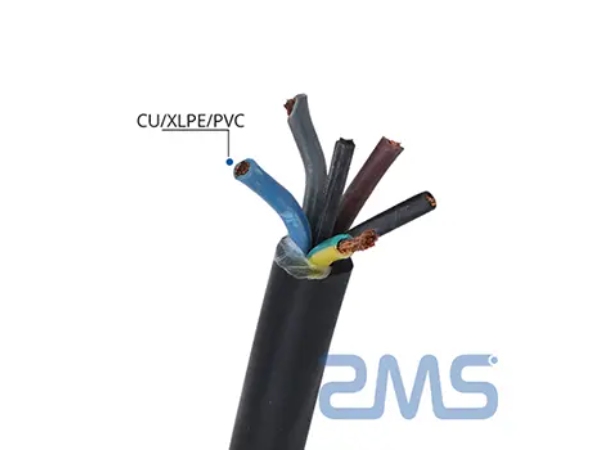
Flexible
The flexible is designed for the transmission of electrical signals and controls. Thanks to its multi -trade structure, It is easy to install in environments where frequent movements and connections are necessary.
It is found in particular in industrial automation systems, control tables, Machine-tools, as well as in robotics and production channels. This type of cable connects sensors, Control switches and devices while ensuring good flexibility.
ZMS Consulting : This cable is ideal for signaling and control circuits. Although it is not designed to transport strong powers, It allows reliability of transmission and reduction in interference. It is a wise choice to optimize the accuracy and safety of industrial automation.
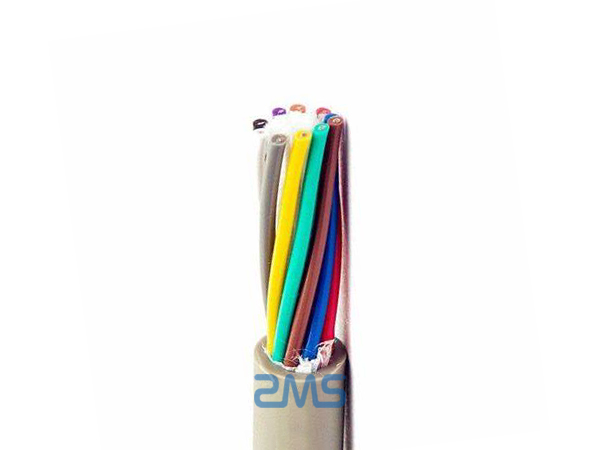
Flexible
The flexible is specially designed for connection of mobile devices, electrical extensions and portable tools. Thanks to its flexible structure, It allows easy handling and is resistant to the torsions and frequent movements.
It is often found in applications such as portable workstations, Electroportative devices, mobile lamps or domestic and professional extensions. Among the current types are the H05RR-F (rubber insulation) and h05rn-f (Reinforced rubber for more intensive use).
ZMS Consulting : Flexible patch cable represents an economical and reliable solution for temporary or mobile connections. It offers a good balance between flexibility, Safety and cost, But we recommend reserving its use for light or domestic applications, in order to extend its lifespan and avoid premature wear and tear.
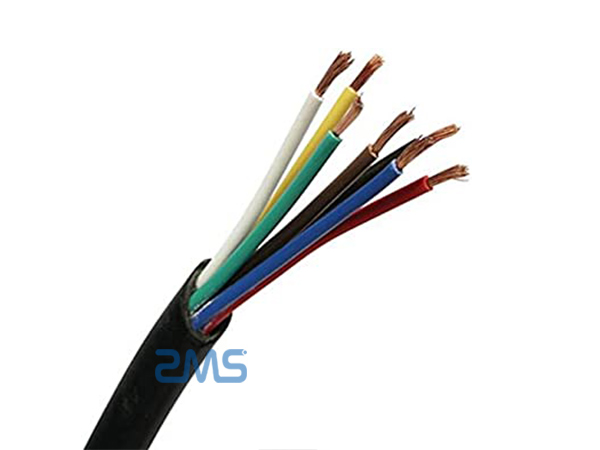
Soft safety cable
The Soft safety cable is specially designed to guarantee the continuity of power in the event of a claim, like a fire. Thanks to special insulating materials, It is resistant to fire and can be halogen -free to limit the emission of toxic smoke. Its flexibility allows easier installation, even in binding environments.
Current applications of a flexible safety cable include electrical installations in sensitive environments such as airports, Hospitals, Fire safety establishments and high fire risk areas requiring increased flexibility.
ZMS Consulting : This cable when it is necessary to meet strict safety standards (For example in a public or hospital environment). Although its initial cost is higher, it offers increased protection and essential regulatory compliance, thus reducing the risks and responsibilities for the operator.
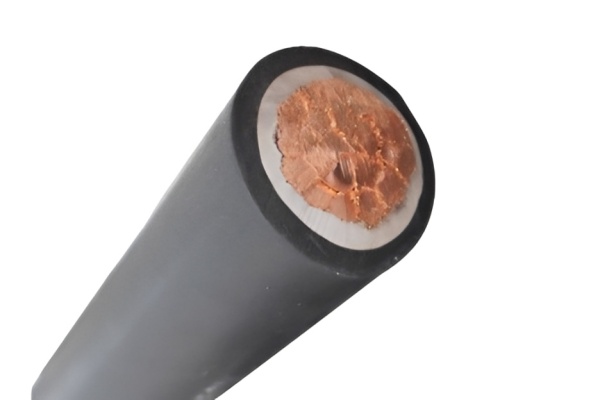
Flexible welding cable
The flexible welding cable is specially designed to connect the welding stations to electrodes and working parts. He is able to transport very high intensity currents while remaining highly flexible, which allows easy manipulation even in binding environments.
It is mainly found in welding workshops, shipyards, Metal construction and industrial sectors where cables are subject to frequent movements and tight curvature rays. Among the current types, We find the H01N2-D, recognized for its robustness and great flexibility.
ZMS Consulting : This cable for welding applications requiring both high thermal resistance and extended life despite repeated bending. Although it is more expensive than conventional cables, its yield and safety largely justify the investment.
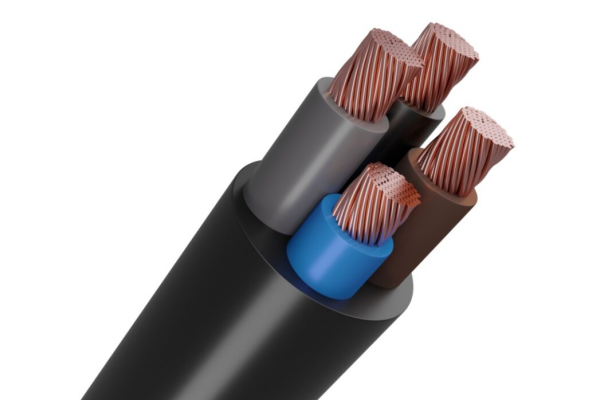
Flexible heat -resistant cables
Ces Flexible heat -resistant cables are designed to withstand high temperatures thanks to materials such as silicone or special rubber. They keep their flexibility and reliability even in hot environments, such as industrial ovens, Heating equipment or certain production sectors.
ZMS Consulting : These cables when it is necessary to reduce maintenance shutdowns linked to thermal damage. Although a little more expensive than standard cables, They offer a much longer lifespan in high temperature environments, which makes it a more economical choice in the long term.
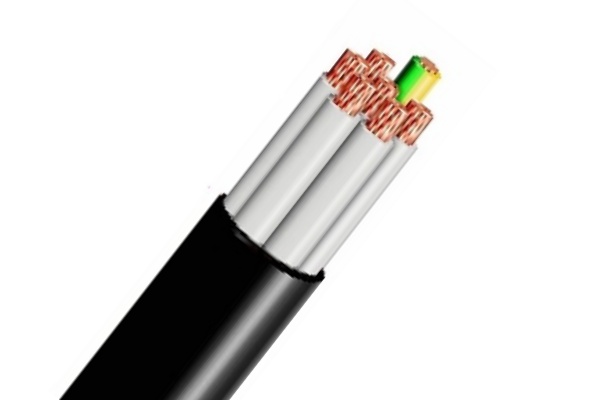
Flexible oil cables and chemicals
Ces flexible cables have a special sheath that allows them to withstand oils, fat, Solvents and aggressive chemical agents. They are widely used in factories, Mechanical workshops, Production channels and all applications where exposure to hydrocarbons or chemicals is frequent.
ZMS Consulting : This type of cable when it is necessary to limit frequent replacements due to corrosion. Their specific sheath reduces maintenance costs and production interruptions, which makes it a solution that is both reliable and profitable.
FAQ - Flexible cable
Here are the most frequent questions asked by our customers on flexible cables, With the advice of our experts :
1. Is a flexible cable still in copper ?
Not necessarily, But in the vast majority of cases, oui. The flexible cable is almost always made from multi -curriculum drivers, Because copper offers excellent conductivity and great flexibility. In certain specific applications, There are also flexible aluminum cables (lighter) or tinned copper (more resistant to corrosion, par ex. in shipbuilding, rail transport or electric vehicles).
Our experts recommend tinned copper for environments exposed to humidity or vibrations, in order to guarantee better durability.
2. What is the difference between a flexible cable and a rigid cable ?
The rigid cable consists of a single common thread, more robust but difficult to fold, Ideal for fixed installations. The flexible cable, as for him, is made up of many fine strands, Which makes it much more flexible and easy to install, even in narrow spaces or with curvatures.
We recommend the flexible cable for any installation requiring flexibility, like mobile machines or domestic renovations.
For a detailed comparison structure by structure, check out our rigid cable vs flexible cable table.
3. In what applications are the flexible cable ?
The flexible cable is commonly used in domestic electrical installations, household appliances, industrial equipment, Mobile machines, as well as in demanding applications such as robotics, welding or cable chains.
We experts austed Whether this is the best solution when your cables have to endure frequent movements or significant vibrations.
Services & Delivery at ZMS Cable
- Personalized manufacturing service (OEM / ODM) : Custom cable design and production according to your technical specifications, with customization of the marking, Colors and packaging.
- Rapid global logistics : Shipping shipping, terrestrial or air to more than 120 pays ; Flexible delivery according to your deadlines.
- Certified quality : All products are tested before shipping ; conformity this / IEC / ISO ; test reports provided on request.
- Neat and customizable packaging : ZMS cables are packaged on wooden coils, wavy boxes or drums, with hermetically sealed ends for moisture protection. Outdoor marking can be printed on request with waterproof materials.
- Dedicated technical support : Our engineers and advisers accompany you in the choice of the electric cable most suited to your installations, in accordance with local standards.
