
Electricity is a source of energy necessary for the development of today's society. Our daily life, industrial production, public transport and other areas are inseparable from electricity. Cables, as a medium for transmitting energy, are everywhere around us. At the time of production, the lifespan of the cable is generally expected to 20 has 30 ans. The actual lifespan should be analyzed according to the specific usage situation. We summarize common factors that influence cable life.
Components of Bbase of a Cable
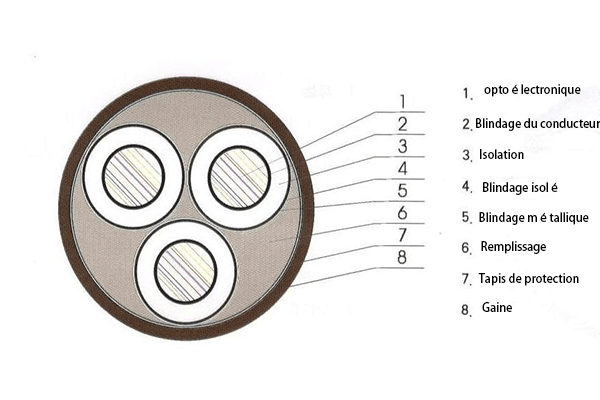
Before analyzing cable life, it is best to have some understanding of the structure and composition of cables. This will make it easier to later explain the impact of each structure on the lifespan of the cable..
The main structure of the cable can be simply divided into conductor, isolation, shielding, sheath. The rest of the different segments of the cable are generally developed on this basis.
For example, insulation can also be divided into different materials such as PE, PVC, XLPE. Shielding can be divided into aluminum foil shielding, shielding, etc. The sheath is made of PVC, armor and other materials.
After understanding these basic cable components, we can better understand how these materials affect cable life.
Factors Iinfluencing the Durea of Vie of Cable
Of course, The cable structures described above only affect cable life under ideal conditions. But the cables are used in different projects.
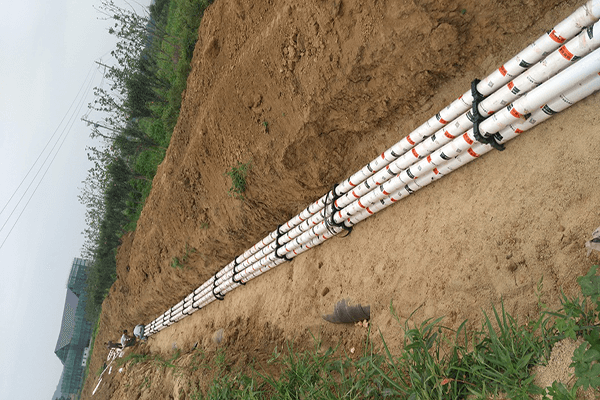
In different environments and regions, cables work in different environments. For example, the acidity and alkalinity of the soil where buried cables are located, climate temperature and humidity in cities and high mountains, coastal areas and inland areas.
In different working environments, the lifespan of the cable is not certain.
Temperature and Hhumidity
Cables generate heat when transmitting current, and this heat, if it is dissipated, increases resistance. This results in a decrease in transmission efficiency, more electrical energy being converted into heat. A vicious circle forms, even causing short circuits and overloads.
We all know that electricity and water are very dangerous when they meet. If the cable seals are not installed correctly, the tightness of the cable is generally affected. In wet areas, water vapor can easily penetrate cables.
Penetration of water vapor into cables reduces insulation and can also cause partial discharges which can damage cables and electrical equipment.
Acidity and Alcalinity
Both acids and bases are corrosive and react chemically with objects they come into contact with. However, in many regions, we find alkaline or acidic soils, and there are areas where acid rain falls.
In these regions, cables are used for long periods. The outer sheath of the cable will be corroded. The internal insulation and body of the metal can also corrode..
This accelerates the aging of the cable insulation or damage to the metal. The lifespan of the cable is considerably reduced.
Intensity of Travail
In addition to the impact of the aforementioned environmental factors, the intensity of work on the cable will also affect the life of the cable. For example, long-term work in the case of high pressure charging. Or in certain mechanical equipment requiring frequent back and forth movements.
The long-term workload of the cable will cause greater current to pass, which will cause the conductor temperature to increase.
Frequent back and forth movements affect the mechanical properties and flexibility of certain cable nodes. Cable insulation and conductors are more likely to be damaged, cracked or abraded in curves.
Frequent bending can also result in electric fields hitting the bent parts of the cable, thus increasing the risk of partial discharges. This affects the life of the cable.
Test Durea Vhere you go Cable
The insulation strength of the cable, insulation resistance, current load, operating temperature and other aspects of the test. All aspects of cable performance parameters can be clarified to provide manufacturers and suppliers with cable-specific information. Complying with specifications during use, cable life can be maximized.
Test of Rigidity Dielectric
Dielectric breakdown can occur when excessive voltages are added during power transmission. This is a very dangerous problem that interferes with the current in the conductors and can also cause leaks.
The current in the cable conductor is constantly increased to detect defects in design and insulation resistance. For example, the faults, the resistance of the insulation, etc.
Performing an insulation test helps correct insulation defects before they cause problems.
Test of Rresistance of the’Isolation
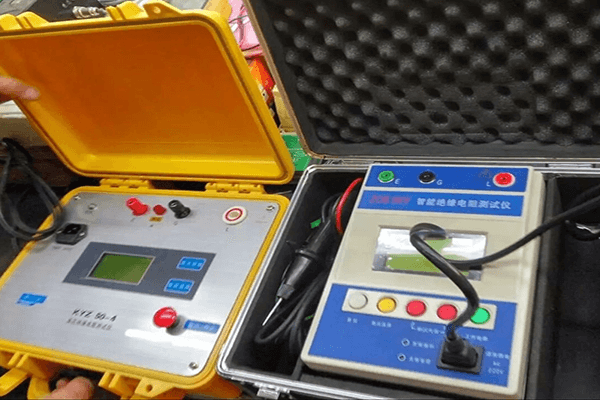
Insulation resistance is an important property of insulating materials. An insulation resistance test ensures that the amount of current flowing through the insulation is within a safe range.
Measuring insulation resistance requires the use of a megger, to which two points to be tested are connected. The distance between the two points is the shortest distance current can escape.
Comment Augmenter to Durea of Vie of Cable
Cables are key to transporting electricity and once they break down, they can cause a series of problems. How to avoid damage to cables and increase their lifespan ? Here are some common steps to protect cables.
Inspection and Maintenance Rregular
Regular inspection and maintenance is an effective way to ensure long-term reliable cable operation. Through regular inspection, cable problems can be detected in time and repaired. This helps avoid further deterioration of the problem and more serious consequences..
Take Mmeasurements of Protection Efficaces
External factors have a major impact on cable life. Therefore, Appropriate protective measures must be taken when laying cables to prevent them from being damaged by the external environment.
This includes choosing a suitable installation method, the use of a sheath with higher mechanical resistance, as well as waterproofing measures and fireproofing.
Cable life can be effectively extended by regular inspection and maintenance, as well as appropriate protective measures. Improve the reliability and stability of the cable system to ensure the long-term operation safety of the cable.