
Flexible cables are cables with great flexibility and adaptability, allowing easy installation in complex and restricted spaces. Compared to traditional rigid cables, flexible cables demonstrate superior performance and increased adaptability in many contexts. In modern technological and industrial fields, the role of flexible cables is becoming more and more crucial, almost essential. This article explores in depth the fundamental characteristics of flexible cables, their applications in various sectors, their key advantages, technological advances and their future potential, to fully understand why flexible cables are so important in today's world.
Basic Characteristics of Flexible Cables
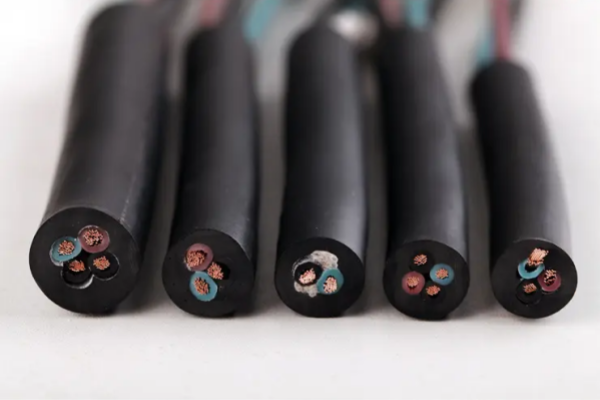
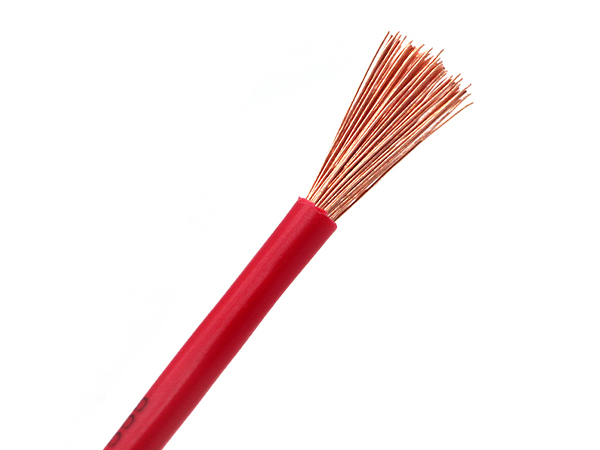
One of the main characteristics of flexible cables, is their great flexibility. These cables are generally composed of several layers. Their structure includes a conductor, a layer of insulation, a shielding layer and a protective sheath. Drivers are often made up of copper wires twisted ends to improve flexibility and tensile strength. The insulation layer uses high-performance polymer materials such as cross-linked polyethylene (XLPE) or polyvinyl chloride (PVC). These materials provide excellent electrical insulation. The shielding layer can be metal braid or metal foil to prevent electromagnetic interference. Protective sheath provides additional mechanical protection and environmental protection.
Another important feature of flexible cables is their durability. These cables are designed for extended use in various harsh environments, such as high temperatures, low temperatures, humidity and chemical corrosion. High quality flexible cables can withstand repeated mechanical bending stress, stretching and twisting without breaking or deteriorating.
Furthermore, the electrical performance of flexible cables is also essential. They have good electrical conductivity and excellent insulation. This helps maintain low resistance and low losses when transmitting over long distances. So, flexible cables are particularly suitable for applications requiring high performance electrical and data transmission.
Applications of Flexible Cables in Different Fields
Industrial Automation
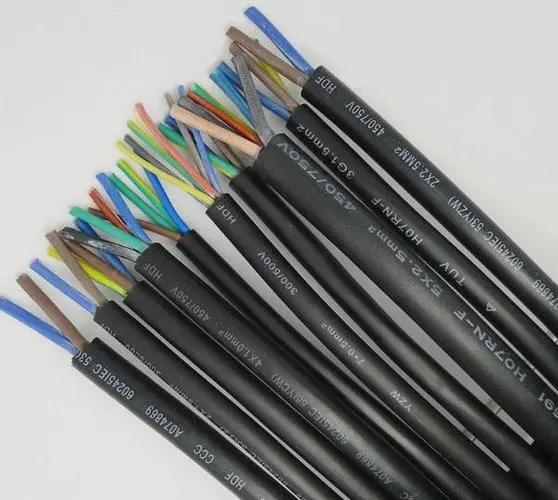
In the field of industrial automation, flexible cables are widely used. Robotics and mechanical arms are important applications. These systems require extremely flexible and durable cables, because they move and rotate frequently. This prevents cables from breaking after prolonged use. What's more, in automated production lines, Various industrial equipment uses flexible cables to connect sensors, actuators and control systems. This ensures the smooth running of the production process.
Building and Infrastructure
In the building and infrastructure sector, flexible cables also play a crucial role. In high-rise buildings, power and data transmission systems must be installed in complex and narrow spaces. Flexible cables can be installed easily in these environments, providing reliable transmission of electricity and data. With the development of intelligent buildings, flexible cables are used in building automation systems, such as lighting control, security monitoring and energy management.
Consumer Electronics
In the field of consumer electronics, flexible cables are omnipresent. They are used in cell phones, tablets and household appliances. Flexible cables in mobile devices must withstand frequent bending and bending while maintaining good electrical performance. In household appliances like washing machines, refrigerators and microwaves, flexible cables must provide a reliable electrical connection in harsh working environments.
Transport
In the transport sector, flexible cables are also essential. In the automotive industry, modern vehicles have many electrical systems to connect, including motor control, entertainment systems and airbags. Flexible cables provide reliable transmission of electricity and data, ensuring the proper functioning and safety of vehicles. In the fields of aviation and navigation, flexible cables are used in various critical systems of aircraft and ships, ensuring reliable performance in extreme high pressure environments, high temperature and high humidity.
The Key Benefits of Flexible Cables
Installation Facile
One of the main advantages of flexible cables is their ease of installation.. Thanks to their great flexibility, flexible cables can be installed easily in narrow and complex spaces. This reduces installation time and labor costs. This is particularly important for applications requiring rapid deployment and frequent maintenance.
Easy Maintenance
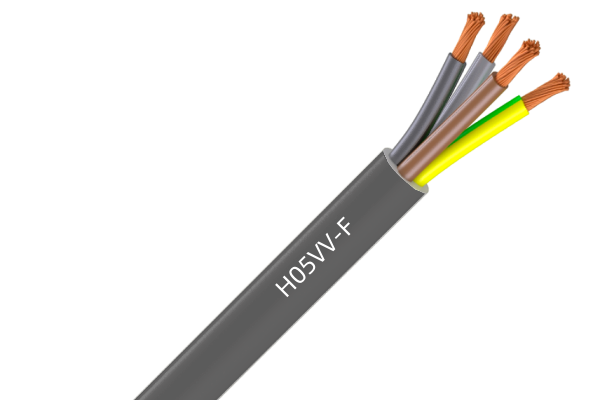
Flexible cables also have the advantage of being easy to maintain.. Their durability and high performance reduce the frequency of breakdowns, thus reducing the need for maintenance. What's more, their design facilitates inspection and replacement. When maintenance is necessary, it can be done quickly, minimizing downtime.
Security
In terms of security, flexible cables offer significant advantages. The high-quality materials used in these cables reduce the risk of breakage and short circuiting. They provide increased safety of use, essential for applications requiring long-term reliability, such as industrial automation and transportation.
Environmental adaptability
Flexible cables have excellent environmental adaptability. They can work stably in various extreme environments, whether high temperatures, basses, wet or corrosive. This makes flexible cables an ideal choice for outdoor installations and industrial equipment requiring high environmental resistance.
Technological Progress and Development Trends of Flexible Cables
Use of New Materials
With the development of materials sciences, the performance of flexible cables has been significantly improved. The application of new high performance materials, such as fluoroplastics, thermoplastic elastomers and advanced polymers, enhanced the durability and flexibility of flexible cables. These materials also improve their adaptability in extreme environments. This allows flexible cables to be used in more scenarios, meeting higher performance requirements.
Development of Intelligence
Intelligence is an important trend in flexible cable development. By integrating sensor technologies, flexible cables can realize condition monitoring and fault alert. This smart feature allows cables to monitor their operating status in real time. They can thus detect and prevent potential breakdowns, improving system reliability and security.
Environment and Sustainability
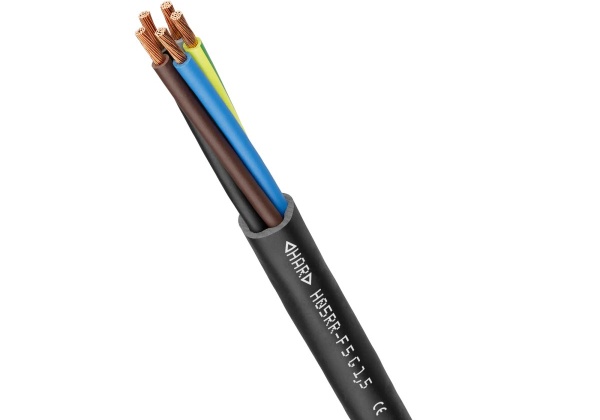
With the rise in global environmental awareness, the ecology and sustainability of flexible cables are increasingly important. The use of recyclable and ecological materials, as well as reducing environmental impact during production and use, are key directions for the future of flexible cables. By optimizing production processes and improving energy efficiency, manufacturing of flexible cables evolves towards a greener and more sustainable approach.
Miniaturization and Multifunctionality
With the miniaturization of electronic equipment, flexible cables are also evolving into smaller, multifunctional solutions. Flexible micro cables meet the connection needs of small devices. Multifunctional flexible cables integrate power transmission, data and signals. They offer more integrated and efficient solutions.
Future Potential of Flexible Cables
Smart Cities
Flexible cables have huge potential in building smart cities. Creating smart power grids and intelligent transportation systems depends on reliable connections and data transmission, provided by high performance flexible cables. In smart cities, these cables can connect various smart devices and systems, facilitating the modernization of urban infrastructure.
Internet of Things (IoT)
The development of the Internet of Things (IoT) also offers a large market for flexible cables. Many IoT devices require stable and efficient connections. Flexible cables are ideal for meeting these needs. Whether it's smart homes or industrial IoT, flexible cables play a vital role in IoT applications.
Renewable Energy Applications
In the field of renewable energies, flexible cables are also crucial. Solar and wind systems require transmission solutions efficient and stable energy. Flexible cables provide reliable connections in these systems. What's more, They are widely used in electric vehicle charging stations and energy storage systems.
Medical Equipment
In the field of medical equipment, flexible cables also have a great future. Medical equipment requires stable and secure electrical and data transmission. Flexible cables meet these strict requirements, ensuring the safety and reliability of medical processes.
Conclusion
In summary, flexible cables play an indispensable role in modern technology and industry. Their great flexibility, durability and electrical performance enable stable operation in complex and harsh environments. They are essential in areas such as industrial automation, infrastructure, consumer electronics and transportation.
With technological progress, flexible cables show growing potential in intelligence fields, ecology and sustainability, miniaturization and multifunctionality. In the future, flexible cables will continue to play an important role in smart cities, the Internet of Things, renewable energies and medical equipment. They will contribute more to technological progress and social development.