
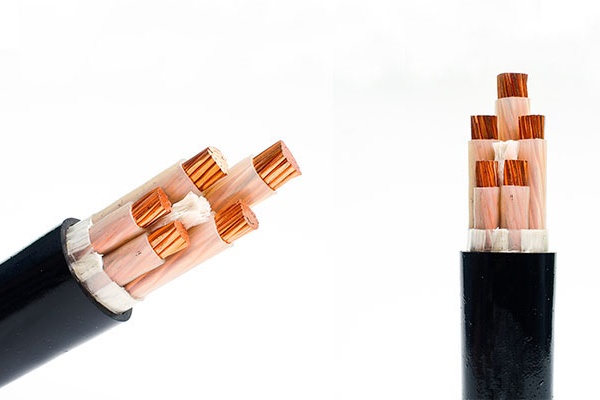
In a world where environmental concerns take an increasingly central place, Companies seek to adapt to strict standards while adopting more ecological technologies. Among these technologies, Halogen -free cables with a low release of smoke (LSZH – Low Smoke Zero Halogen) emerged as a safer and environmentally friendly alternative to traditional cables. In this article, We are going to explore the environmental performance of these cables in depth by comparing them with conventional cables. We will also approach the standards, Certifications, Applications, as well as ZMS Cable's commitment in the manufacture of high quality LSZH cables.
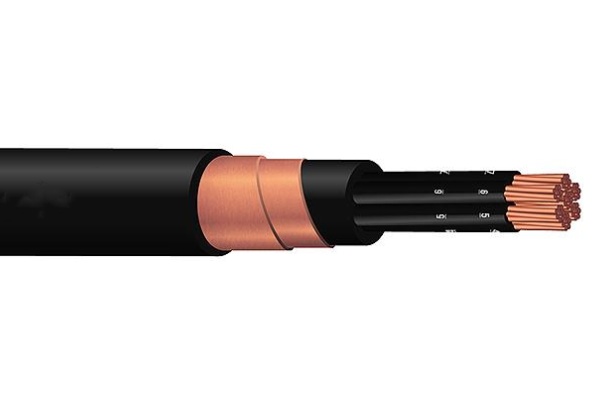
I. What is a low-smoke halogen-free cable? ?
Halogen-free cables with low smoke emissions (LSZH) are specifically designed to provide better safety in the event of fire. Unlike traditional cables which contain halogens such as chlorine or fluorine, LSZH cables are manufactured with non-halogenated materials, like polyolefins, which do not produce toxic gases during combustion. These cables have low smoke emissions, which allows better visibility in the event of a fire, thus reducing the risk of asphyxiation.
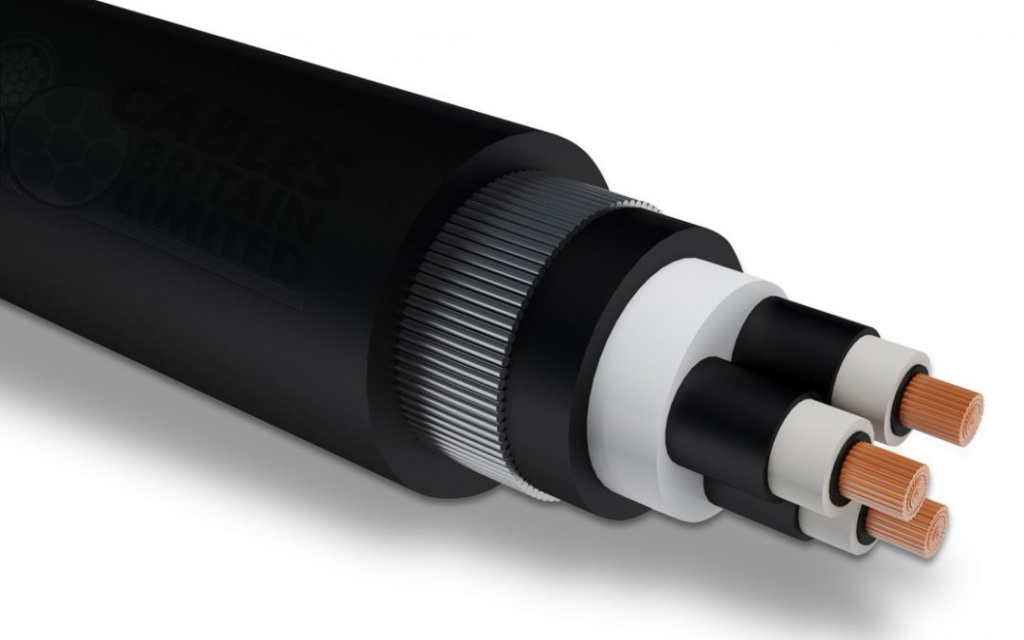
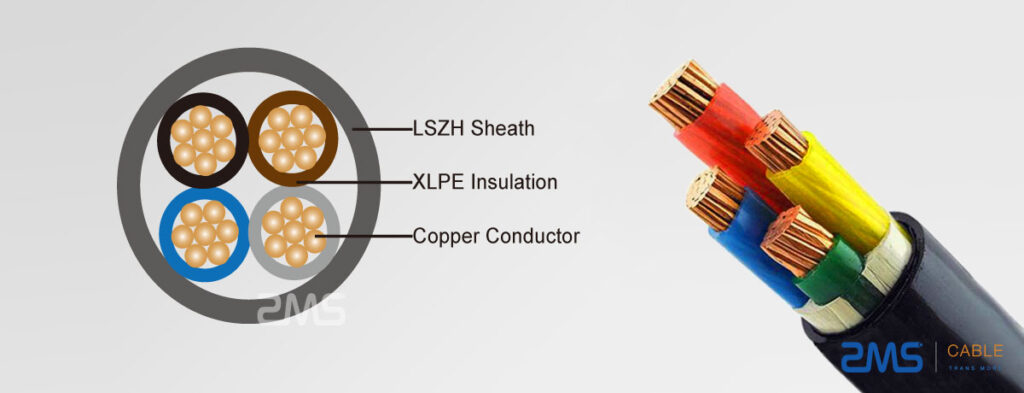
Definition and composition of LSZH cables
LSZH cables are made of special materials that, when exposed to a flame, do not emit acid gases or toxic fumes. The main characteristic of these cables is that they do not contain halogenated substances, thus reducing their environmental impact and their danger in the event of fire.
Commonly used materials to make LSZH cables are :
- Cross-linked polyethylene (PEX)
- Polypropylene (PP)
- Low density polyethylene (LDPE)
These materials are not only safe but also resistant to extreme conditions, making them ideal for applications in sensitive environments.
Major differences with cables containing halogens
Traditional cables, which contain halogens, are often made from PVC or other chlorine-containing materials. When exposed to heat, these cables release toxic fumes and corrosive gases, which can be fatal in confined environments. On the other hand, LSZH cables do not release these substances, which makes them much safer, especially in public spaces, Hospitals, and critical infrastructure.
Main applications of LSZH cables
LSZH cables are used in a multitude of sectors where fire safety and environmental impact are priorities. They are commonly used in :
- Public buildings : offices, schools, hospitals, where the safety of people in the event of fire is essential.
- Rail and air infrastructure : for communication networks, where low smoke emissions are crucial.
- Les data centers : where cable security and reliability are essential to avoid outages and protect sensitive data.
- Industrial installations : especially in chemical factories, where fire risks are high.
Historical developments
LSZH cables were introduced to meet the growing demand for safe and environmentally friendly solutions in an increasingly strict regulatory environment. Their adoption has accelerated in the years 1990, especially in Europe and Asia, due to the implementation of stricter safety standards.
Concrete examples
Projects such as the construction of hospital complexes or data centers have led to the systematic adoption of LSZH cables to guarantee the safety of installations and comply with environmental standards.
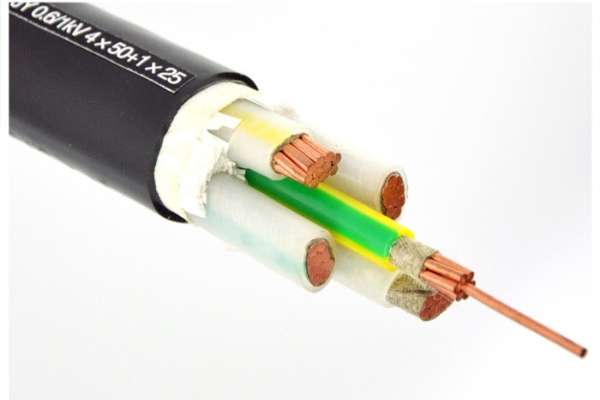
II. Environmental standards and certifications for LSZH cables
LSZH cables are subject to strict standards in terms of fire safety and environmental impact. These standards are essential to ensure their performance and compliance with international requirements.
Overview of international standards
LSZH cables must meet several international standards that ensure their efficiency and safety. For example :
- IEC 60754-1 : This standard defines the methods for measuring the properties of smoke and halogenated gas release.
- IEC 61034 : It specifies the requirements regarding the visibility of cable light in the event of smoke development.
Regional differences
Regulatory compliance varies by region. A Europe, the RoHS standard (Restriction of Hazardous Substances) is applied to limit the use of hazardous substances in electrical and electronic equipment. In the United States, LSZH cables must comply with standards such as UL 758 and not (National Electrical Code), which specify strict fire safety requirements.
Emerging standards
The LSZH cable industry continues to evolve with standards that require greater transparency and stricter sustainability certifications. Labels like Green Label and Eco-Label are becoming increasingly popular and are used to identify environmentally friendly products..
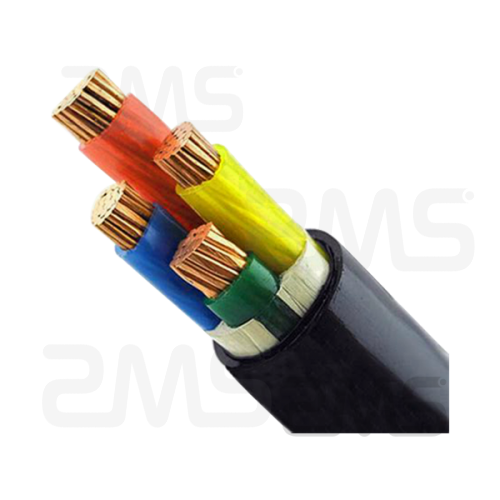
III. Environmental performance of LSZH cables
One of the main reasons for adopting LSZH cables is their low environmental impact. In case of fire, these cables represent a much less significant risk to health and the environment.
Reduction of toxic emissions
LSZH cables do not emit toxic gases such as chlorine or fluorine. In case of fire, traditional cables emit acidic gases which can cause long-term damage to the health of individuals and the structure of buildings. Conversely, LSZH cables only emit slightly harmful fumes, allowing better evacuation and reducing the risk of asphyxiation.
Raw material analysis
The materials used in LSZH cables are selected for their low toxicity. Polyolefins, For example, are easily recyclable and do not release hazardous substances when incinerated or landfilled.
Impact on recycling and end of life
LSZH cables have a great recycling advantage. Their composition allows easy recovery of materials, which contributes to waste reduction. On the other hand, traditional cables, especially those made of PVC, release polluting substances when disposed of.
Quantitative comparison
Studies have shown that LSZH cables emit up to 90 % less smoke and do not produce corrosive gases compared to conventional PVC cables.
Contribution to sustainability goals
LSZH cables play a key role in reducing the carbon footprint of buildings and infrastructure. Their adoption in environmentally friendly construction projects is an important step towards achieving global sustainability goals.
IV. Comparison of LSZH cables and conventional cables
LSZH cables offer several advantages over traditional cables, but also have certain limitations.
Comparison table of key properties
| Property | LSZH cables | Classic cables (PVC) |
| Fire safety | Low smoke emission, non-toxic | Toxic and acidic emissions |
| Sustainability | High resistance to extreme conditions | Less resistant to harsh environments |
| Initial cost | More expensive | Cheaper |
| Environmental impact | Low impact, recyclable | Release of pollutants, difficult to recycle |
Advantages of LSZH cables
LSZH cables are safer and environmentally friendly, with low production of smoke and toxic gases. They are perfect for environments where security is essential, like in hospitals, schools, and public infrastructure.
Aspects techniques
From a technical point of view, LSZH cables may offer slightly lower performance in terms of conductivity and flexibility compared to traditional copper cables. However, these differences are often negligible in security and fire protection applications.
Limitations of LSZH cables
The main disadvantage of LSZH cables is their higher initial cost. What's more, their manufacture requires a more complex process, which may result in additional costs.
V. Use cases for LSZH cables
Applications in critical infrastructure
LSZH cables find essential application in critical infrastructure such as hospitals, schools, airports, metro stations and data centers. These installations require maximum safety in the event of fire to protect occupants and vital equipment.
Hospitals and healthcare facilities : In hospitals, the priority is the safety of patients and staff. LSZH cables are preferred for their low smoke emission and the absence of toxic gases during a fire.. This ensures rapid and safe evacuation., while preserving the health of individuals exposed to an emergency situation.
Metro stations and airports : These places with high attendance, where fire risks are of particular concern, benefit from the installation of LSZH cables to limit the risks of poisoning from toxic fumes. What's more, the absence of corrosive gases is crucial to maintaining the functionality of electronic equipment in these critical areas.
Data centers : Data centers, where expensive equipment essential to a business's operations is stored, require cables capable of withstanding extreme conditions without compromising safety. LSZH cables perfectly meet these criteria by reducing the risk of damage to sensitive systems in the event of fire.
Benefits and results observed in concrete projects
Adoption of LSZH cables in large-scale projects has shown tangible results in fire safety and sustainability.
Reduction of the risk of smoke poisoning : In a pilot project carried out in a European hospital, the use of LSZH cables made it possible to reduce 30 % the concentration of toxic gases in the air during a simulated fire, compared to traditional cables. This type of reduction is crucial to improve the chances of survival and rapid evacuation of people present in the premises..
Improving infrastructure sustainability : When deployed in a data center, LSZH cables have shown greater longevity and reduced maintenance costs compared to traditional PVC cables. In case of fire, equipment protected by LSZH cables also suffered less damage, which made it possible to avoid significant financial losses for the company.
Comparison before-after installation of LSZH cables
Large-scale projects in public and private buildings have shown a significant contrast in installation performance before and after adopting LSZH cables.
Before the adoption of LSZH cables : Fires at facilities such as hospitals have shown high levels of smoke and toxic gases, which increased the danger for the occupants and delayed their evacuation. What's more, ventilation systems and electronic equipment often suffered significant damage from chemicals released by conventional cables.
After adopting LSZH cables : The fires resulted in a reduced amount of smoke and an absence of corrosive gases. Evacuations were carried out more quickly and electronic equipment, essential for continuity of care in hospitals or data center operations, resisted extreme conditions better. This not only improved security, but also allowed greater operational efficiency in the long term.
Customer testimonials and feedback
Companies and institutions that have adopted LSZH cables in their projects have provided positive feedback on their performance and impact on safety.
One of the network administrators remarked : “The installation of LSZH cables in our metro network has not only improved passenger safety, but it also allowed a significant reduction in fire risks and damage to essential electronic equipment. It’s a choice we don’t regret.. »
Feedback from the director of a city center hospital : “After replacing our old PVC cables with LSZH cables, we observed a reduction in the risk of poisoning in the event of fire and a general improvement in fire safety of our facilities. This also contributed to the certification of our establishment according to the strictest environmental standards. »
Measurable results
The benefits of adopting LSZH cables in construction projects have been quantifiable in terms of safety and environmental impact. Incident reports showed a notable drop in smoke inhalation injuries and improved safety conditions for occupants. What's more, maintenance costs have decreased thanks to better cable strength and increased infrastructure durability.
VI. ZMS Cable and LSZH cables
ZMS expertise in LSZH cable production
ZMS Cable is recognized for its expertise in manufacturing high quality LSZH cables. We are committed to providing reliable and durable solutions that meet international safety and performance standards.
Advantages of LSZH cables produced by ZMS
ZMS LSZH cables are manufactured with premium materials, providing maximum fire safety and minimal environmental impact. We also offer personalized solutions tailored to the specific needs of our clients.
Conclusion
LSZH cables represent an innovative and ecological solution for projects requiring high fire safety and low environmental impact. Although their initial cost is higher than traditional cables, the benefits in terms of safety and durability more than justify this investment. As a leader in LSZH cable manufacturing, ZMS Cable remains at the forefront of innovation to offer reliable and efficient products adapted to all your projects.