
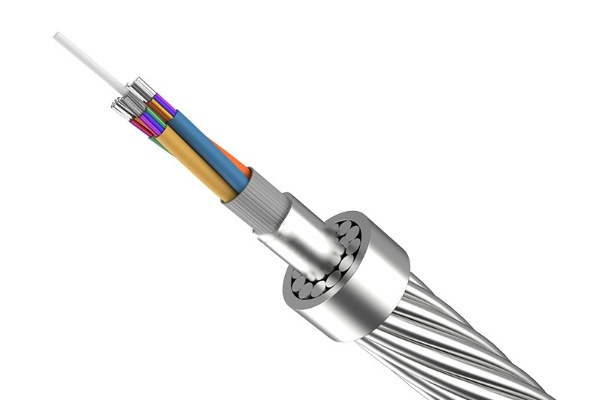
In various projects, cable is a key component for transmitting electricity and data. The choice of cable is crucial to the success of the project. Faced with the multitude of cable types and specifications, how to select the most suitable ? This article explains the following four aspects in detail : project needs, cable types, key selection factors and common mistakes, to help you make an informed decision.
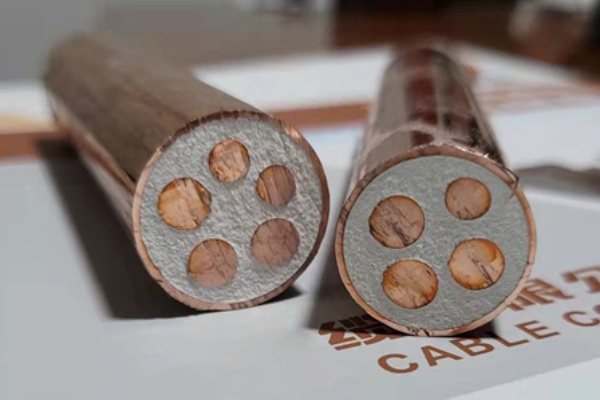
Understand the project needs
Define usage and application environment
Each project has specific needs. The choice of cable must first take into account its use and its environment. The type of cable depends on its main function : transmission of electricity or data ? Cables for high voltage transmission generally require increased insulation and heat resistance, while data cables must provide low latency and good protection against interference.
The environment also plays a crucial role. Environmental conditions directly influence cable performance and durability. For example, for outdoor or underground use, it is essential that the cable is UV resistant, to corrosion and water. On the other hand, for indoor or less risky environments, these features may be less necessary. Geographic conditions, climate and temperature variations must also be taken into account. It is important to evaluate environmental conditions and choose a suitable cable to avoid performance issues related to unsuitable conditions.
Consider the physical and mechanical requirements of the cable
In addition to use and the environment, the physical and mechanical requirements of the cable are also important. Cables must withstand various forces such as traction, compression and flexion. It is therefore essential to assess flexibility, tensile strength and durability of the cable.
Installation method also influences physical requirements. For example, overhead cables must have high tensile strength to support significant lengths, while buried cables must be resistant to wear and compression to avoid damage in the ground. It is crucial to choose a cable with physical characteristics adapted to its method of installation to avoid breakdowns due to inappropriate properties.
Evaluate electrical requirements
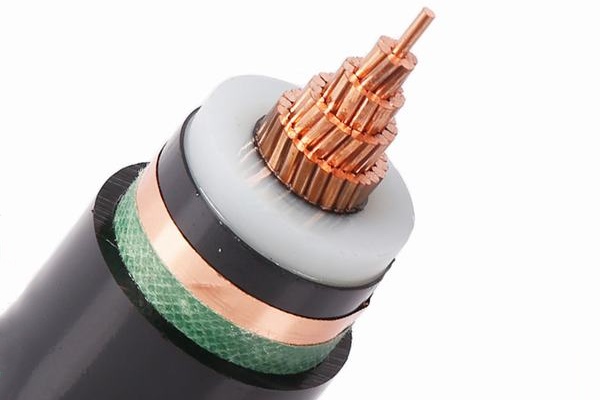
The electrical characteristics of the cable directly influence its performance and safety. When choosing the cable, it is important to check the nominal voltage, current capacity and insulation materials according to project needs. For example, for high voltage transmission projects, you need cables capable of withstanding high voltages without risk of failure.
For data transmission, fiber optic cables are ideal thanks to their high bandwidth and low loss. Control cables must ensure stable transmission and good protection against electromagnetic interference to protect sensitive data. It is therefore essential to choose a cable that meets these electrical requirements to ensure stable operation under the specific electrical conditions.
Types of cables and their characteristics
Power cables
Power cables are used to transmit electricity in various systems. They are classified as high voltage cables, medium voltage and low voltage according to their voltage level. High voltage cables are used for the transmission and distribution of electricity, while low voltage cables are often used for indoor wiring of buildings.
Characteristics of power cables :
- High conductivity : Made with conductive metals like copper or aluminum for efficient transmission of electricity.
- Good heat resistance : Equipped with insulating materials resistant to high temperatures.
- Long life : Designed for a lifespan of more than 30 ans, suitable for sustainable electrical systems.
The choice of power cables should take into account the electrical needs of the project and environmental conditions to avoid performance issues.
Fiber optic cables
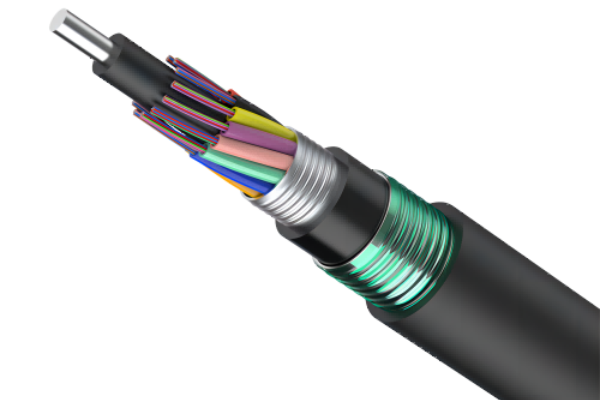
Fiber optic cables are widely used in the field of communications, especially for long distance and high speed transmissions. They transmit light signals, providing wider bandwidth and better resistance to electromagnetic interference than traditional copper cables.
Characteristics of fiber optic cables :
- High bandwidth : Support fast and large data transmissions.
- Good resistance to interference : Insensitive to electromagnetic interference, adapted to complex environments.
- Low signal attenuation : Maintain data quality over long distances.
The choice fiber optic cables must be based on bandwidth requirements and resistance to interference to ensure optimal transmission quality.
Control cables
Control cables are used in industrial automation systems to transmit control and power signals. They must offer good resistance to interference to ensure stable and precise transmission of signals. What's more, they must be flexible to facilitate installation in complex industrial environments.
Characteristics of control cables :
- Stable signal transmission : Ensure precise transmission of control signals.
- Good resistance to interference : Equipped with shielded structures to resist electromagnetic disturbances.
- Good flexibility : Suitable for installations requiring frequent bends.
The choice of control cables must take into account signal stability and resistance to interference to avoid problems in industrial environments.
Special cables
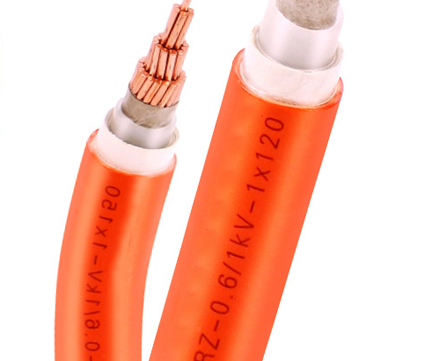
Specialty cables are designed for specific applications, like fire resistant cables, mining cables and maritime cables. They have particular materials and designs to meet extreme conditions or specific needs.
Characteristics of special cables
- High fire resistance : Fire-resistant cables continue to function in the event of a fire, guaranteeing the security of power supply to important equipment.
- Good corrosion resistance : Mining and marine cables are manufactured with corrosion-resistant materials for extended use in humid or corrosive environments.
- High temperature resistance : Designed for high temperature environments, such as industrial furnaces or melting equipment.
The choice special cables must be based on the requirements of the specific application to ensure they have the necessary performance.
Key factors for choosing a cable
Cable quality and certifications
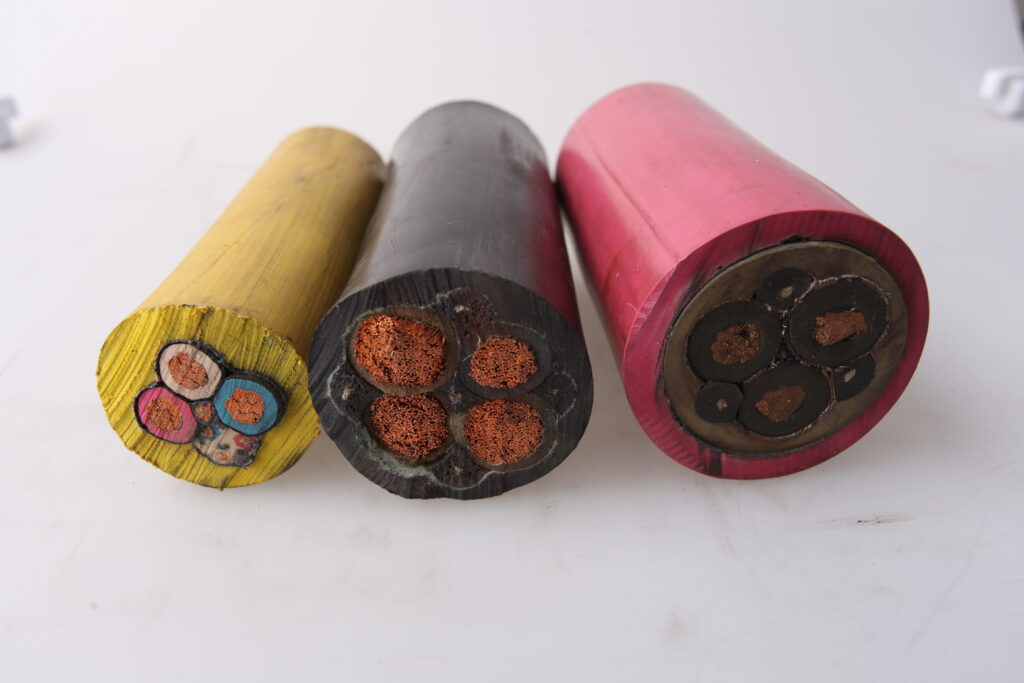
Cable quality is essential for project safety and reliability. It is crucial to choose cables certified by international or national organizations such as UL, CE, or ISO. These certifications ensure that the cable meets strict quality and safety standards, ensuring stable operation in complex environments.
The quality of the cable directly influences its lifespan, maintenance costs and project safety. Opting for high-quality certified cables reduces the failure rate, reduces maintenance costs, and ensures the smooth running of the project.
Cost and budget
Optimizing costs while meeting project needs is crucial. When choosing the cable, not only the initial purchase cost must be taken into account, but also long-term maintenance and operating costs. Cheap cables may seem economically advantageous at first, but they can lead to frequent problems and high maintenance costs.
It is important to consider value for money rather than just focusing on the low price. Comparing different brands and models to find the best balance between quality and cost helps avoid long-term risks associated with short-term savings.
Supplier choice
Choosing a good supplier is crucial. An experienced supplier not only offers a wide range of quality cables, but also technical support for the design, installation and maintenance of the project.
ZMS is recommended for its benefits :
- Superior product quality : ZMS cables are manufactured to high production standards and with quality materials, thus guaranteeing the reliability and performance of the products.
- Long lifespan : Cables are designed to last a long time and work stably in various environments, reducing maintenance costs.
- Personalization service : ZMS offers custom cables to meet specific project needs, whether it's specifications or features.
These advantages make ZMS Cable a reliable choice to provide stable and efficient solutions for your projects.
Common Mistakes and How to Avoid Them
Ignoring the impact of environmental conditions
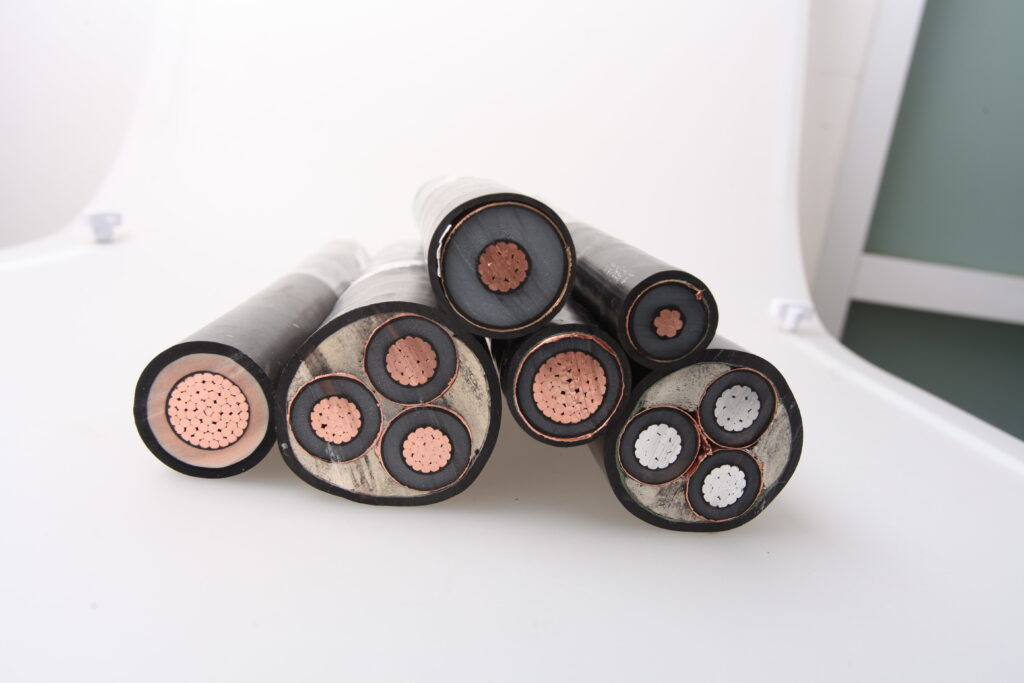
The impact of environmental conditions is often overlooked. The temperature, humidity and UV exposure can significantly affect cable performance. For example, non-water resistant cables can cause short circuits in humid environments. It is therefore essential to choose cables adapted to the specific conditions of your project to avoid performance problems.
Choose based on price alone
Price is an important factor, but focusing only on cost can neglect quality and long-term costs. Cheap cables can lead to frequent breakdowns and high maintenance costs. When selecting, it is important to consider the quality, durability and long-term maintenance costs to avoid affecting the stability of the project.
Conclusion
Choosing the right type of cable is crucial to ensuring safety, the stability and profitability of the project. By clearly defining the needs of the project, by understanding the characteristics of different cable types, considering key factors and avoiding common mistakes, you can make an informed choice. Proper cable selection improves project performance and reliability, while reducing operating and maintenance costs.
It is important to consider not only the technical specifications, but also adaptability to environmental conditions and long-term costs. We hope these tips help you make smarter decisions when selecting cables, thus guaranteeing the success and long-term development of your project. For any questions or additional help, Please feel free to consult ZMS Cable for professional advice and support.