
From the scorching heat of arid deserts to the freezing cold of polar regions, through torrential rains and gusts of wind, ADSS fiber optic cable act as communication sentinels, resiliently defending itself against the forces of nature.Let's talk about ADSS fiber optic cable in extreme climate
Learn More about ADSS Fiber Optic Cable
ADSS fiber optic cable represents a revolutionary advancement in communications technology. ADSS is made entirely of dielectric material, which eliminates the need to use metal resistance elements and makes it light and strong.
ADSS cable has high tensile strength and electromagnetic interference resistance, making them ideal for overhead installations on utility poles.
Their innovative construction guarantees reliable long-term performance, which makes ADSS cables the first choice for networks of robust and self-supporting communication.
Definition and Composition of Cease at Fhand Optique ADSS
ADSS have a unique composition that sets them apart in the field of communication technologies. Fiber optic cable are made entirely of dielectric materials, which eliminates the need for metal resistance elements. The core of the cable is generally made of optical fibers used for data transmission.
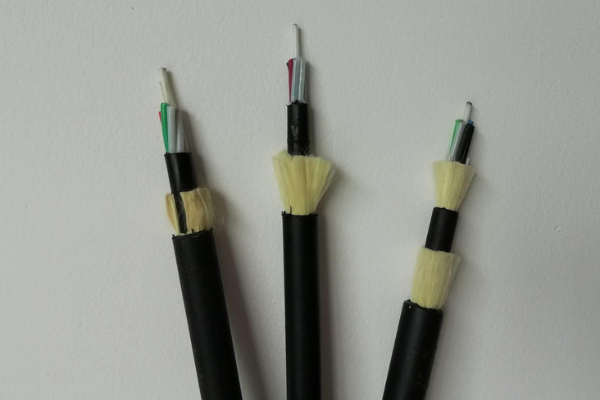
The core is surrounded by a layer of water-resistant material to increase durability. The cable is then wrapped in a dielectric sheath which provides protection without requiring metal reinforcement.
Thanks to this innovative construction, ADSS cables are lightweight, self-supporting and flexible, making them ideal for aerial installations and harsh environments.
Characteristics and Avantages
Self-supporting ADSS fiber optic cable design eliminates the need for additional support structures, which makes the installation more efficient and economical. The use of dielectric materials ensures immunity to electromagnetic interference and the high tensile strength ensures reliability in a wide range of environmental conditions.
Challenges of Ininstallations Ccommunication in case of Conditions Mmeteorological Extremes
Extreme weather conditions can seriously affect fiber optic cable installations. High temperatures can cause signal degradation, while freezing can affect the flexibility of fiber optic cables.
Humidity and heavy rain can pose a threat of water infiltration, resulting in loss of signal. Storms and wind shear can cause physical damage to ADSS fiber optic cable, which can disrupt communications networks. Extreme weather highlights importance of communications line infrastructure.
Inconveniences ofs Ccables Cconventional in the event of Conditions Mmeteorological Extremes
Performance of conventional cables degrades in extreme weather conditions. Thermal expansion and contraction at high and low temperatures can compromise the structural integrity of conventional cables, leading to signal degradation and potential failures.
Low temperatures can exacerbate this vulnerability, making cables more likely to crack and break. Furthermore, moisture or rain can corrode the metal components of conventional cables, leading to signal degradation and service interruptions.
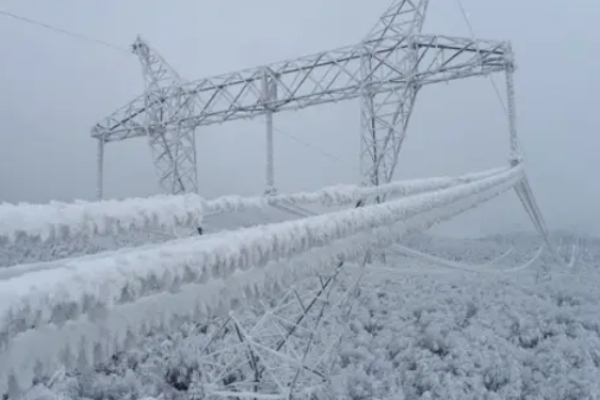
ADSS Fiber Optic Cable in Unfavorable Weather Conditions
The role of cable fiber optics in harsh weather conditions is essential for maintaining a robust and reliable communications network.
Unlike traditional cables, ADSS fibers are less susceptible to weather-related interference. Optical fibers are also resistant to extreme temperatures, which ensures consistent signal transmission.
The dielectric nature of optical fibers makes them impervious to electrical grounding problems, which makes them resistant to lightning. Furthermore, the waterproof design of some fiber optic cables prevents moisture penetration, thereby reducing the risk of signal loss in wet or rainy weather.
In brief, fiber optic cables can play a vital role in communications, even in difficult weather conditions.
The effect of THigh temperatures on the Cable
High temperatures can have a significant impact on cables, affecting their performance and reliability. One of the main problems is thermal expansion : Prolonged exposure to high temperatures can cause the materials used for cables to expand. This expansion can lead to increased stress on the cable structure, which can compromise its mechanical integrity.
In fiber optic cables, high temperatures can cause signal attenuation, which can reduce transmission efficiency. Furthermore, high temperatures can affect the protective sheath of fiber optic cables, reducing material properties and exposing internal components to environmental factors.
To remedy the effects of high temperatures on cables, it is often necessary to use materials with high thermal resistance, thermal management solutions and strategic cable placement to minimize heat exposure.
Stability Tairtight Câble ADSS
The thermal stability of ADSS cables is a key attribute for their reliable performance in a wide range of environmental conditions. ADSS fiber optic cable are designed to be thermally robust and able to withstand temperature fluctuations without compromising signal integrity.
The use of dielectric materials in their construction insulates them from heat and prevents thermal expansion and contraction which can affect cable performance.
This inherent thermal stability makes ADSS cables ideal for deployment in high temperature areas. This ensures stable and efficient data transmission, even in harsh thermal environments.
Challenges in Eenvironments Froids
Due to extreme temperatures, cables used in cold environments face several challenges. One of the main problems is the increased risk of cable stiffness and brittleness.
In subzero conditions, cable materials may lose flexibility, making them more likely to crack or break under mechanical stress. Low temperatures also affect the electrical properties of the cable, which may result in signal attenuation and reduced transmission efficiency.
Sub-Zero Celsius ADSS Fiber Optic Cable
ADSS fiber optic cable remains resilient in sub-zero conditions, making them ideal for use in cold environments. Conventional fiber optic cables can become brittle at low temperatures.
Unlike ADSS fiber optic cables, they retain their flexibility and structural integrity. The materials used in their construction have been carefully selected to be more resistant to the cold, which ensures consistent performance even in sub-zero climates.
Furthermore, Self-supporting design of ADSS cables eliminates the need for external support structures, making them adaptable to a wide range of environments installation in cold regions.
Durability in case of Ttrouble and Cshearing of the Vent
Threats related to Tobstructions and Cshearing of the Vent
Storms and wind shear pose a significant threat to communications infrastructure, including fiber optic cables. High winds from storms can cause physical damage such as bending, twisting and even breaking of cables.
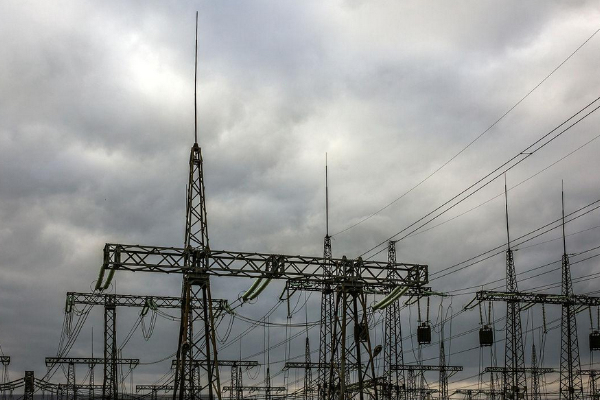
Wind shear, characterized by sudden changes in wind direction and speed, can exert significant forces on the cables, which can cause them to detach from their support structures.
Resistance to Vent of Câble ADSS
ADSS fiber optic cable have special wind resistance properties that enable them to meet the challenges posed by high winds and harsh weather conditions.
Unique ADSS cable design eliminates the need for external support structures, thereby reducing their vulnerability to wind-induced stresses.
Furthermore, materials used in ADSS fiber optic cables are durable and flexible, so they can resist wind shear without compromising structural integrity.
Conclusion
In conclusion, ADSS cables are extremely resistant to extreme weather conditions. Their self-supporting design eliminates the need for additional structures, which allows them to adapt to a wide variety of environments.
Dielectric structure ensures resistance to electromagnetic interference, while materials chosen for thermal stability and cold resistance maintain stable performance at both high and low temperatures. In brief, ADSS cables are a reliable choice for building robust communications networks.
Thank you, your article surprised me, there is such an excellent point of view. Thank you for sharing, I learned a lot.