
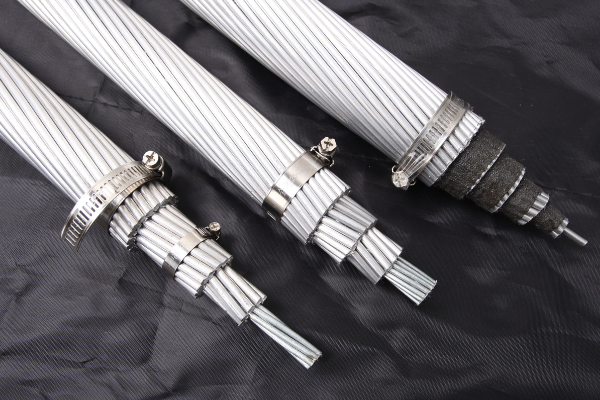
The AAAC cable, or All Aluminum Alloy Conductor (All Aluminium Alloy Conductor), is one of the types of conductors commonly used in overhead transmission lines. It is made of aluminum alloy. This cable offers higher mechanical resistance than pure aluminum conductors (AAC) while remaining lightweight and corrosion resistant. AAAC cable is widely used, especially for long distance transmissions, in coastal areas and in corrosive environments. It constitutes an essential element of electricity transmission systems. With the increase in energy demand and the development of modern electricity networks, AAAC cable is increasingly popular for its superior performance.
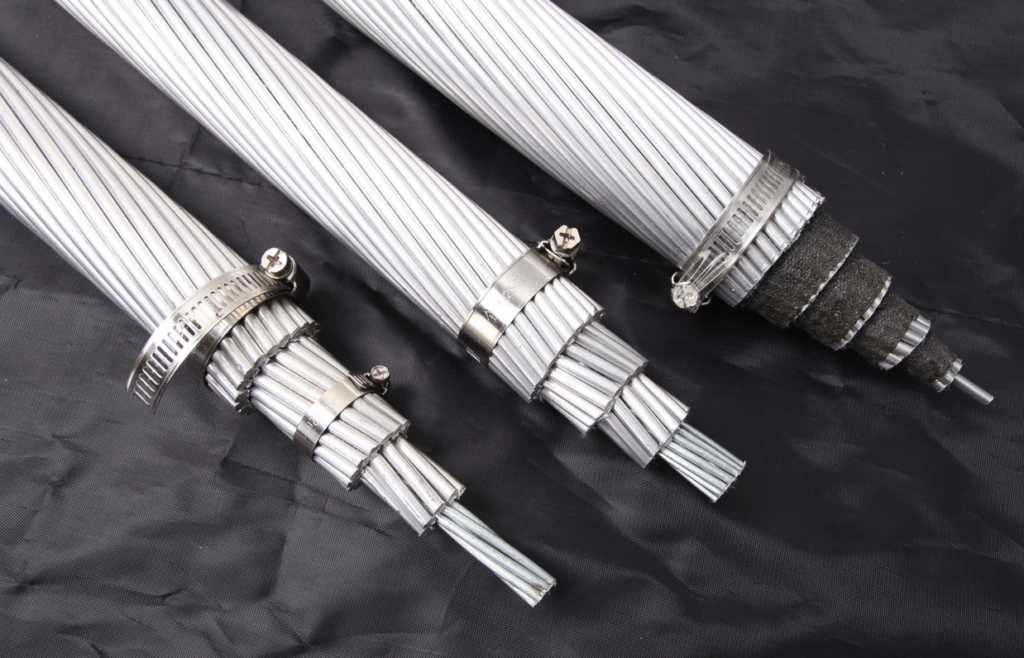
AAAC cable structure and materials
The AAAC cable (All Aluminum Alloy Conductor) is an aerial electrical transmission cable with excellent performance. Its design emphasizes high resistance, corrosion resistance and long service life. AAAC cable is widely used in various electricity transmission contexts. Here are the main parts of the AAAC cable structure, the materials used and their functions :
Driver
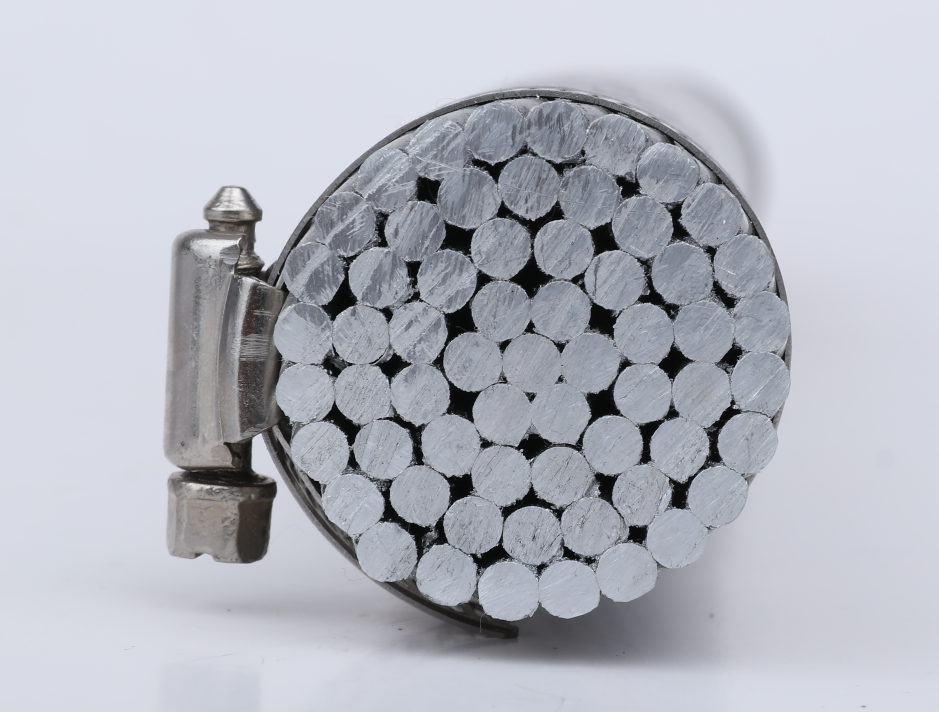
The conductor is responsible for transmitting the current. This is the key part of the AAAC cable. The conductor of AAAC cable is usually made of several twisted aluminum alloy wires. This structure reinforces the resistance of the cable while improving its flexibility. Unlike ACSR cable (Reinforced steel aluminum driver), the AAAC cable does not have a steel core. All wires are aluminum alloy. This ensures good resistance while maintaining a lightweight design., ideal for long distance overhead transmission lines.
The aluminum alloy offers excellent electrical conductivity and high mechanical resistance. What's more, compared to pure aluminum conductors (AAC), aluminum alloy has better resistance to corrosion and oxidation. This design allows the cable to perform well even in harsh environments.
Other parts
AAAC cable generally does not have an insulation layer, sheath, protection or external covering. In certain types of cables, an insulation layer is used to prevent current leakage and protect the conductor. The sheath protects the internal conductors against physical damage and chemical attack. Protection enhances cable durability. Finally, external protection is sometimes added in the form of a jacket or covering to further protect the cable from environmental factors (humidity, chemicals, etc.), thus extending its lifespan and reliability.
However, AAAC cables are mainly designed for overhead lines. They generally do not include an additional layer of insulation. The cable is directly exposed to the air, taking advantage of the anti-corrosive properties of aluminum alloy to resist the elements. In special cases or when increased protection requirements are necessary, Additional layers of protection can be added to enhance the adaptability and durability of the cable.
Key Benefits of AAAC Cables
AAAC cables offer many advantages, which makes them very popular in the field of electricity transmission :
High strength : Compared to AAC cables (pure aluminum conductor), AAAC has much greater resistance. It can withstand higher voltage, making it suitable for long distance airlines.
Lightness : Compared to ACSR cables (steel reinforced aluminum conductor), the AAAC is lighter. This lightness facilitates installation and reduces the load on electricity pylons, which reduces infrastructure costs.
Corrosion resistance : Aluminum alloy is much more resistant to corrosion than steel in ACSR cables. In coastal or high pollution regions, the AAAC retains its structure and functions for a long time, without being affected by corrosion.
Long life : AAAC cables generally have a lifespan greater than 30 ans. This reduces the frequency of replacements and maintenance, enabling electricity companies to save on costs in the long term.

Disadvantages of AAAC cables
Although AAAC cables have many advantages, they are not suitable for all scenarios. Compared to other cables, The AAAC has certain limitations :
Resistance difference compared to ACSR : AAAC is more durable than AAC, but its mechanical resistance is lower than that of ACSR (steel reinforced aluminum conductor). For very long distance transmission projects, ACSR can offer better resistance thanks to its steel core.
Limitations for long distance transmission : Despite its lightness and resistance to corrosion, AAAC is less used for very long distance transmission lines under high voltage. In these cases, ACSR remains the preferred choice when additional strength is required.
Typical applications of AAAC cables
AAAC cables are widely used in various power transmission and distribution projects, especially in the following situations :
Transmission lines : AAAC is commonly used in long distance high voltage overhead transmission lines. Its lightness and great resistance make it particularly suitable for these scenarios.
Industrial and commercial distribution systems : In large factories, industrial zones and commercial buildings, AAAC cables are used in distribution systems to ensure efficient electrical transmission.
Special environments : AAAC excels in highly corrosive environments such as coastal areas or polluted industrial regions. Its resistance to corrosion extends its lifespan and reduces maintenance needs.
How to choose AAAC cable
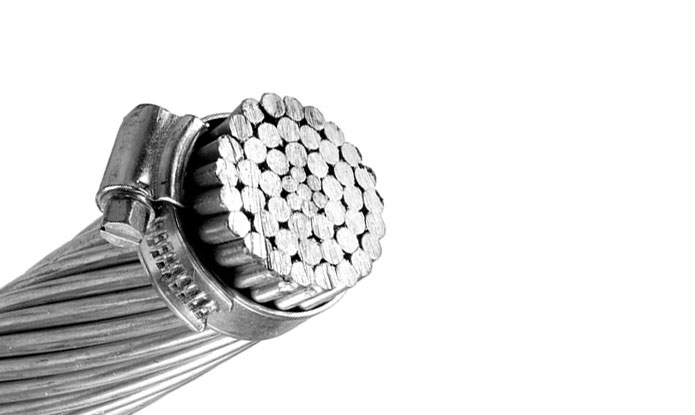
The choice of the appropriate cable must take into account the environment of use and electrical needs. AAAC cable is an ideal choice in the following cases :
If the transmission line is located in a humid or corrosive environment (like coastal areas), AAAC's corrosion resistance provides additional protection to the electrical system.
For applications requiring high strength while remaining lightweight, AAAC is a better option than AAC.
In projects where it is necessary to control long-term maintenance costs, the long life of the AAAC can effectively reduce operating costs.
AAAC cables produced by ZMS
ZMS Cable is committed to producing high quality AAAC cables, offering the following advantages :
Compliance with international standards : ZMS AAAC cables meet several international standards such as IEC 61089, ASTM B399, IN 50182, guaranteeing their use worldwide.
Exceptional performance : Our cables offer excellent conductivity, great mechanical strength and strong resistance to corrosion. They are suitable for various complex environments and ensure efficient and stable electrical transmission.
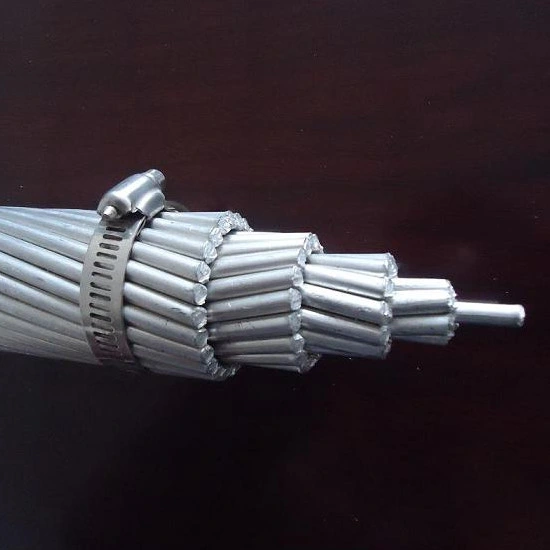
Long life : AAAC cables ZMS Cable have a lifespan greater than 30 ans, helping our customers reduce long-term operating and maintenance costs.
High quality materials : ZMS carefully selects quality aluminum alloys, guaranteeing great mechanical resistance and high durability. Our cables are manufactured under strict quality control standards, with first-class materials and advanced manufacturing processes, thus ensuring optimal performance.
Personalization service : ZMS offers tailor-made AAAC cable services based on project needs, offering varied specifications and designs to meet all applications.
These advantages make ZMS AAAC cables an ideal choice for various electrical engineering projects.
If you are looking for reliable overhead cables, ZMS AAAC cables are the perfect choice. We offer customized services to ensure that the cables fully meet your project requirements, ensuring long-term safety and profitability in electricity transmission.
Conclusion
AAAC cables play a crucial role in modern electricity transmission systems. Their high resistance, their light weight and excellent corrosion resistance make them an ideal choice for overhead transmission lines. Although they may not offer the same mechanical strength as ACSR cables in very long distance transmission projects, their long life and low maintenance costs make them reliable and economical in most applications.
ZMS Cable is committed to providing high quality AAAC cable solutions, guaranteeing security, the efficiency and durability of electric transmission. If you have any needs or questions regarding AAAC cables, do not hesitate to contact us.