
Introduction
In a context of global energy transition, policies in favor of renewable energies are not only the production and energy consumption, But also influence essential industries like that of electric cables. These policies encourage modernization of electrical infrastructure and a massive adoption of advanced technological solutions.
Electric cables play a central role in the transmission and distribution of energy, whether to connect offshore wind farms or to extend solar networks in remote areas. However, the challenges of adopting cables that comply with local standards, their sustainability and environmental impact pose crucial questions for exporters.
The objective of this article is to explore how these policy initiatives are redefining the opportunities and challenges for power cable exporters., while highlighting winning strategies for success in international markets.
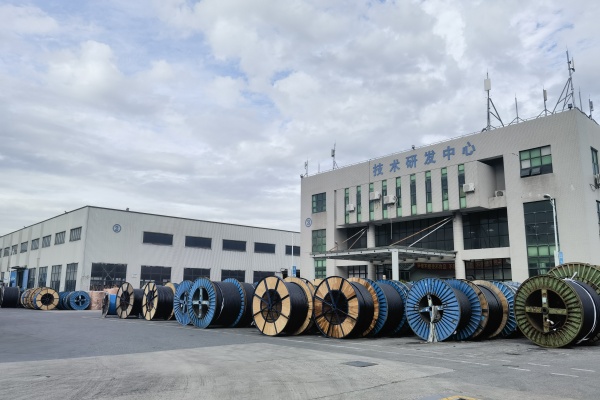
Overview of global energy policies
L’Europe : a world leader in the energy transition
The European Union (UE) has established itself as a pioneer in the fight against climate change. In addition to the “Green Deal”, initiatives such as REPowerEU, aimed at reducing the EU's energy dependence, promote increased adoption of renewable energy. These policies create a continued demand for smart cables, capable of managing variable energy flows.
In Germany, For example, solar and wind projects have doubled in the last five years, driving demand for low voltage cables for residential installations and high voltage cables for large industrial projects.
North America : massive investments in green energy
In the United States, tax credits included in the Inflation Reduction Act help reduce costs of renewable energy projects, which increases the demand for reliable and environmentally friendly cables. Canada, as for him, is moving towards projects combining renewable energies and intelligent infrastructure, requiring innovative cables integrating IoT technologies.
Asia : rapid but uneven growth
As China and India invest massively in renewable energy, other Asian countries are taking more cautious approaches due to budget constraints. However, regional initiatives, such as collaboration between ASEAN countries for interconnected networks, open new opportunities for cable exporters.
Africa and Latin America : promising developing markets
In Africa, energy policies focus on rural electrification, requiring low cost but robust cables. In Latin America, countries like Brazil and Chile are investing in solar energy, driving demand for specialized cables resistant to harsh climatic conditions.
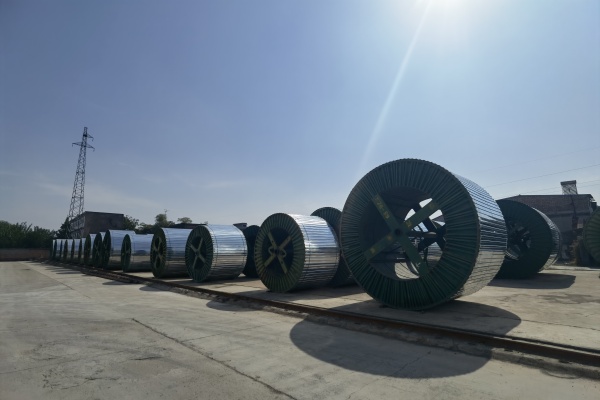
Effects of energy policies on cable demand
Growth of submarine and intercontinental cables
With the increase in offshore wind projects in Europe and Asia, the demand for submarine cables capable of transporting large quantities of energy over long distances is growing strongly. These cables must not only be durable, but also meet strict criteria for resistance to corrosion and extreme temperatures.
Growth of smart cables
Policies supporting the modernization of power grids have led to an increase in demand for smart cables equipped with sensors. These cables, which make it possible to monitor their status in real time and detect anomalies, are particularly popular for smart grids in North America and Europe.
Focus on sustainability
Customers are increasingly favoring cables produced from recycled or biodegradable materials. In response, manufacturers must adapt their production chains to meet these new expectations while remaining competitive.
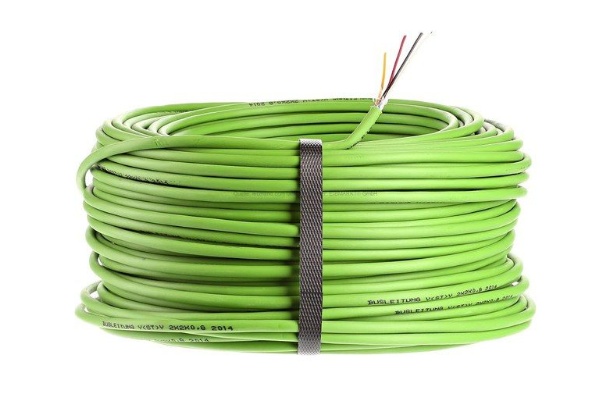
Challenges for cable exporters
Differences in standards and regulations
Each country imposes its own standards for cable performance and safety. For example, Europe favors halogen-free cables, while Asia emphasizes low-cost but sustainable solutions.
Supply chain issues
The volatility of commodity prices, combined with global logistics disruptions, directly impacts the costs and delivery times of cables intended for export.
Technological and innovation pressure
Companies must continually innovate to meet increasing performance demands, sustainability and intelligence (such as cables incorporating sensors to monitor their condition).
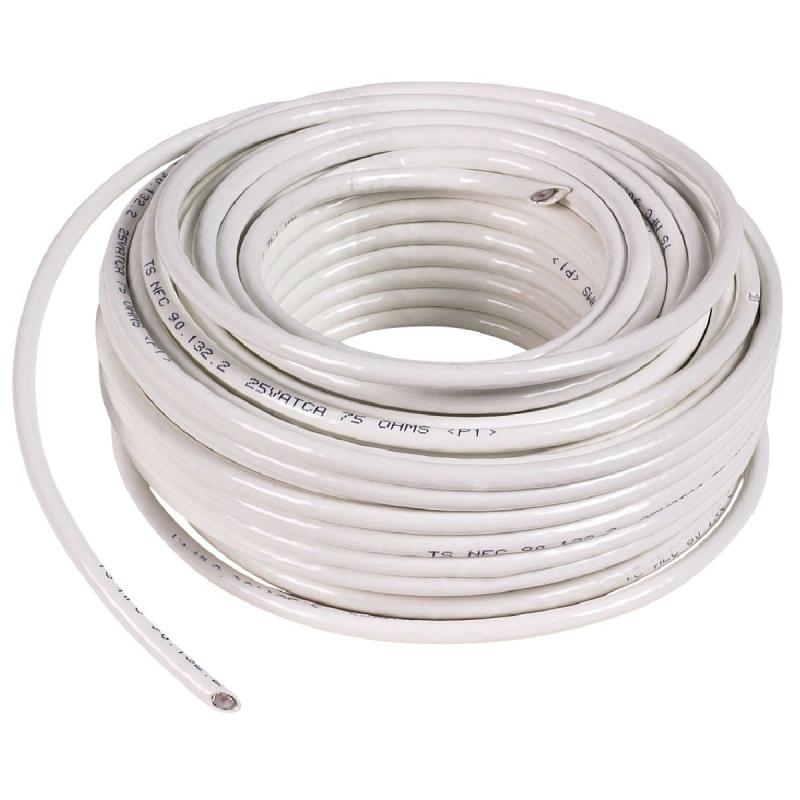
Strategies for Success in the Export Cable Market
Product innovation
Manufacturers must develop specific cables to renewable energy projects, such as heat-resistant cables for solar installations or armored cables for offshore wind farms.
Compliance with international standards
Exporters must ensure that their products meet the regulations of target markets. This includes obtaining internationally recognized certifications to build customer confidence.
Market diversification
By establishing ourselves in emerging regions, like Africa or Latin America, exporters can mitigate risks associated with dependence on specific markets.
Sustainable development
Ecological manufacturing, which reduces carbon emissions, and solutions promoting cable recycling attract environmentally conscious customers.
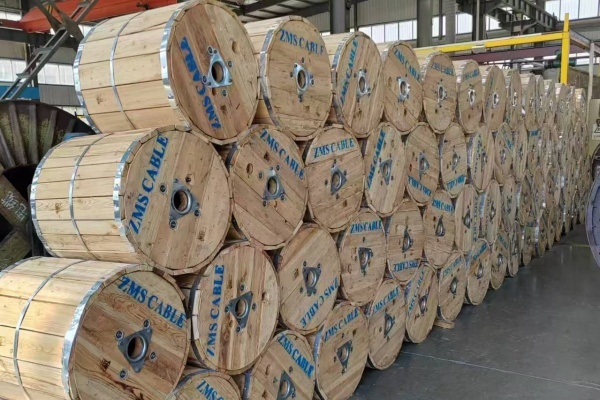
Case study : ZMS Cable facing the challenges and opportunities of energy policies
ZMS Cable has developed innovative cables to meet the requirements of renewable energy projects, such as corrosion-resistant submarine cables and high-performance solar cables.
Through rigorous compliance with international standards, ZMS Cable strengthened its position on global markets.
By collaborating with local and international partners, ZMS Cable has been able to adapt its offer to the specific needs of customers.
Perspectives futures : ride the wave of renewable energies
The future of renewable energy promises many opportunities for cable exporters, but also challenges, such as rapidly changing technologies and market expectations. Companies that invest in innovation and sustainability will be best placed to thrive in this new environment.
Conclusion
Global energy policies offer significant but complex opportunities for the cable industry. By relying on innovation, compliance and sustainable strategies, exporters like ZMS Cable can not only meet the growing demand, but also play a key role in the global energy transition.