
Introduction
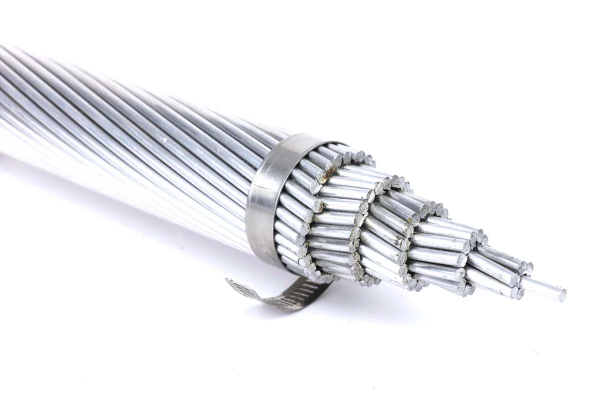
In the field of electrical transmission, overhead cables play a crucial role. Among them, the ACAR cable (Aluminium Conductor Alloy Reinforced) stands out for its unique characteristics, halfway between electrical performance and mechanical resistance. But how does ACAR differ from other types of aerial cables like AAC?, AAAC and ACSR ? This in-depth analysis will guide you in choosing the ideal cable for your project.
The different types of aerial cables
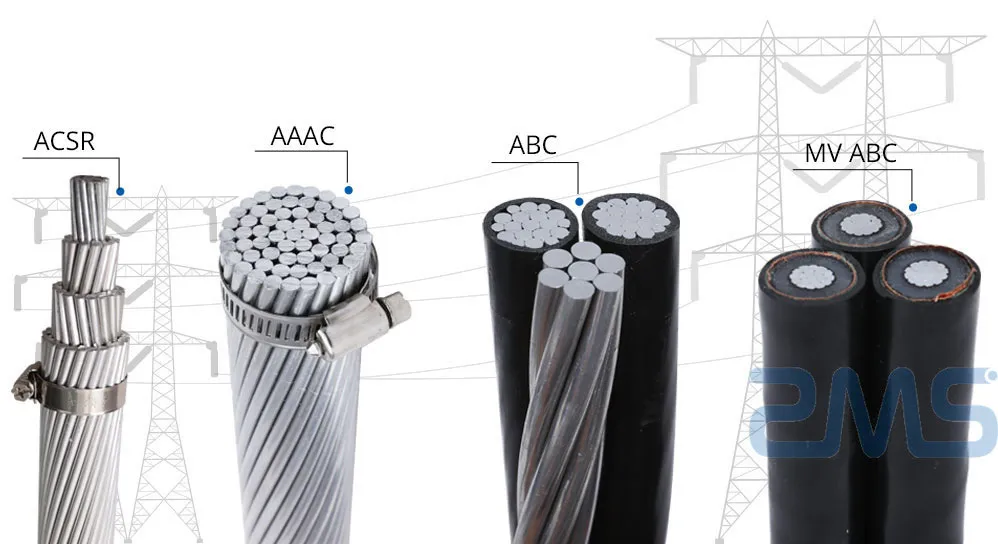
Before diving into the details of ACAR, it is essential to understand the main categories of aerial cables and their specificities.
AAC (Aluminum driver)
Made only of pure aluminum, AAC is lightweight and offers excellent conductivity.
Used mainly for short distances, it is ideal in areas where the mechanical load is low.
Inconvenience : its limited mechanical resistance.
AAAC (All aluminum alloy driver)
Made of an aluminum alloy, it has better tensile strength than AAC.
Suitable for medium distances and in areas subject to corrosion.
Inconvenience : slightly lower conductivity than AAC.
ACSR (Steel core cable and aluminum conductors)
It combines a steel core for mechanical strength and aluminum conductors for conductivity.
Frequently used in large spans.
Inconvenience : the steel core is prone to corrosion.
ACAR (Reinforced aluminum alloy conductor)
Mélange pure aluminum and aluminum alloy, offering a balance between conductivity and mechanical resistance.
Suitable for corrosive environments and medium and long distance applications.
ACAR : Structure and distinctive features
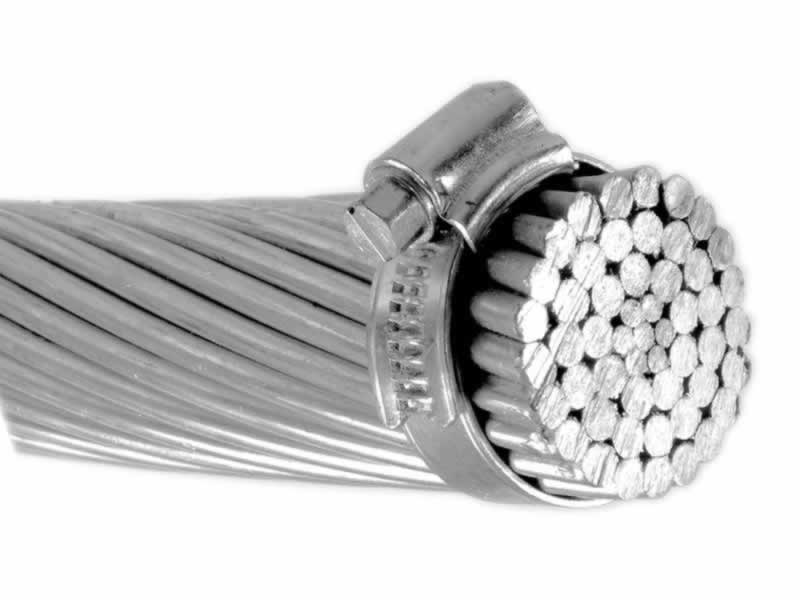
The ACAR cable stands out for its unique design and performance adapted to varied conditions.
ACAR cable structure
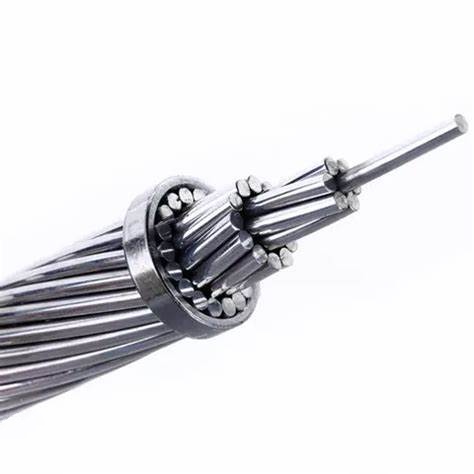
The core of the cable is made of an aluminum alloy, reinforced with pure aluminum conductors. This combination optimizes both mechanical strength and conductivity.
The absence of a steel core avoids the corrosion problems often encountered with ACSR cables.
Specific advantages
Excellent conductivity : although slightly lower than the AAC, it surpasses that AAAC and ACSR in many applications.
Corrosion resistance : adapted to difficult environments, especially coastal areas.
Installation flexibility : easier to handle than steel core cables.
Sustainability : designed for consistent performance over a long period of time.
Differences between ACAR and other overhead cables
When comparing ACAR to other types of overhead cables, several key points stand out, particularly in terms of structure, performance and applications.
Structural differences
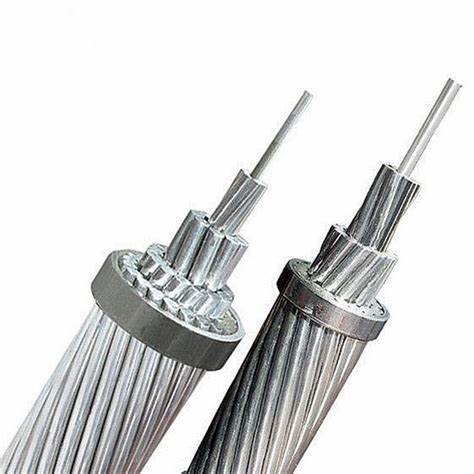
The ACAR is designed without a steel core, unlike ACSR. This absence eliminates the risk of internal corrosion while offering competitive mechanical resistance thanks to the aluminum alloy..
Compared to the AAC, which is composed solely of‘aluminium pur, ACAR incorporates a mixture of pure aluminum and alloy, giving it better durability and mechanical resistance.
Electrical and mechanical performance
Conductivity : AAC remains the leader in electrical conductivity, but it is limited in terms of mechanical resistance, which makes the ACAR more suitable for demanding conditions.
Mechanical resistance : The ACAR is positioned between the AAC and the ACSR, offering a good compromise between lightness and robustness, unlike the AAAC which, although light, may be less effective in high voltage environments.
Corrosion resistance : The absence of steel components gives the ACAR a distinct advantage in humid or corrosive environments, like coastal areas.
Applications
Medium and long ranges : ACAR is often preferred in installations requiring a long span without compromising mechanical stability.
Specific environments : For areas with high humidity or where pollutants are present, ACAR and AAAC prove to be reliable choices, while ACSR requires increased maintenance measures.
Cost and effectiveness
Although AAC is the most economical in terms of initial cost, ACAR provides better durability and reduces long-term maintenance costs. Compared to ACSR, ACAR is often more competitive on the financial plan, especially for projects requiring corrosion resistance.
These distinctions make the ACAR a balanced solution for applications requiring a good compromise between electrical and mechanical performance..
To better understand why choose an ACAR cable, here is a comparative analysis.
ACAR vs. AAC
Conductivity : AAC provides better conductivity, but lacks mechanical strength.
Applications : ACAR is preferred for longer spans or environments requiring greater strength.
Cost : AAC is more economical, but is not suitable for complex applications.
ACAR vs. AAAC
Conductivity : ACAR outperforms AAAC in terms of conductivity.
Résistance : Although AAAC is lighter, ACAR offers balanced mechanical resistance with its conductivity.
Usage : The ACAR is ideal for long distances with mechanical constraints.
ACAR vs. ACSR
Mechanical resistance : ACSR is superior in tensile strength.
Corrosion : Lack of steel core gives ACAR an advantage in high humidity areas.
Maintenance : ACAR reduces long-term maintenance costs.
Factors to consider when choosing an overhead cable
The choice of an aerial cable must take into account several essential criteria :
Transmission distance
Short distances favor AAC, while long spans often require ACAR or ACSR cable.
Load capacity
Current carrying capacity varies by cable. ACAR offers a good compromise between conductivity and mechanical resistance.
Environment
For coastal or highly corrosive areas, ACAR and AAAC cables are preferred.
Costs and maintenance
Although AAC is the least expensive, ACAR offers longer life and reduced maintenance costs.
Mechanical constraints
For high voltage, long reach applications, ACSR remains a preferred option, except in case of corrosion hazards.
Conclusion
The ACAR stands out for its balance between electrical and mechanical performance, making it ideal for a multitude of applications. By choosing an aerial cable, consider your specific project requirements : distance, environment and costs. To ensure quality and durability, opt for ZMS Cable solutions, recognized for their high standards and customization.