
The Indian Ministry of Mines announced on Twitter on Thursday the discovery of a lithium deposit of 5,9 million tons, one of the largest lithium deposits in the world.
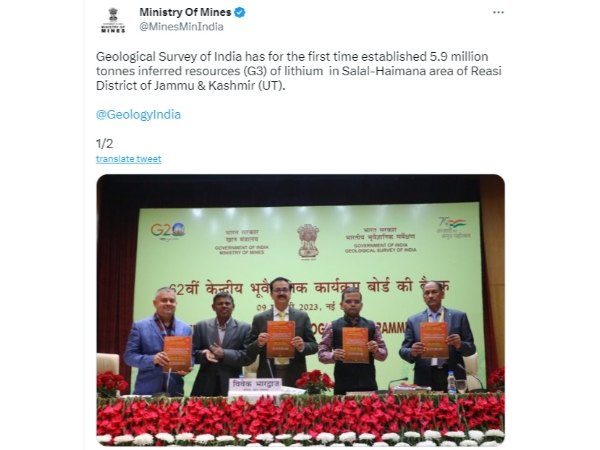
The deposit is located in the Reasi district, in the province of Jammu and Kashmir, in the north of the country.
According to data from the US Geological Survey, this discovery places India seventh in the world in terms of lithium reserves, behind Bolivia, Argentina, Chile, the United States, Australia and China.
The Electric Car Industry May See Changes in the Future
Lithium is used to make batteries for electric cars (VE), solar panels and electronic devices.
With the generalization of large-scale electrification, lithium demand for electric cars expected to increase significantly.
Some experts fear that a rush on this “new white gold” due to lower supply than demand causes tension and shortage.
Another problem with lithium is its polluting extraction.
This could change in the future with the use of electric machines in mines and new technologies such as geothermal energy being tested in Europe.
However, in all cases, the complete life cycle of electric cars is “cleaner” than that of gasoline or diesel cars.
The Role of Lithium in Electric Car Batteries
In recent years, demand for electric cars has increased significantly due to the need to reduce greenhouse gas emissions and the search for more sustainable transportation options.
Lithium is a key element in the production of electric vehicle batteries, which are the heart of their propulsion system.
Electric car batteries use lithium-ion cells to store electrical energy necessary for vehicle propulsion.
These cells are made from an anodic and cathode material, which are separated by an electrolyte.
Lithium is used as an anode material, that is, it is positively charged and allows electrons to move towards the cathode material.
Lithium is particularly well suited for use in electric vehicle batteries due to its light weight, its high energy capacity and its ability to recharge quickly.
Electric car batteries typically contain hundreds or thousands of lithium-ion cells, allowing them to store enough energy to power the electric motor for hundreds of miles before needing to be recharged.
Is this Resource Abundant? ?
Although lithium is not a rare element in the earth's crust, it is not necessarily easy to extract and produce in large quantities.
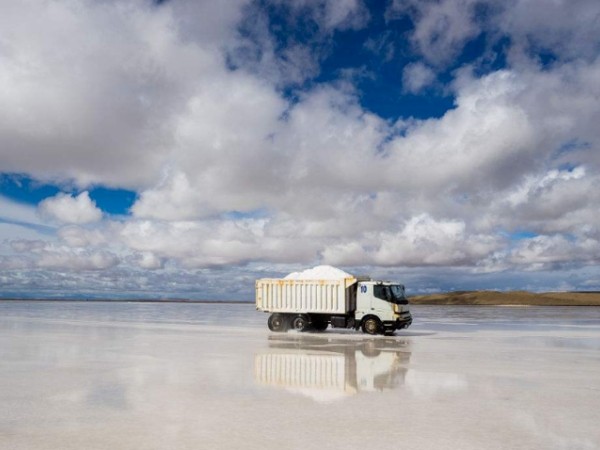
The main sources of lithium are the salars, which are salt lakes located in arid regions like the Atacama Desert in Chile.
Extracting lithium from these salt flats can be difficult due to the scarcity of water in these areas, meaning lithium mining can have significant environmental consequences.
Lithium production is also subject to growing demand, as electric cars become more and more popular.
This can lead to higher prices and a shortage of raw materials, which could potentially slow down the development of electric cars.
Challenges of Lithium Battery Production
Lithium battery production also presents challenges when it comes to safety and sustainability.
Batteries can overheat and even catch fire if mishandled or damaged, what is a potential risk for electric vehicles.
Furthermore, Battery life may be limited due to degradation of materials used in cell manufacturing, which means it is important to find ways to extend their lifespan.
Finally, transporting and storing batteries can also be a challenge, due to their weight and size.
Batteries must be transported safely to avoid damage, and their size can make them difficult to store in production plants as well as for large-scale transportation and storage.
Outlook for the Future
Despite these challenges, the use of lithium in electric car batteries is essential to enable the transition to more sustainable means of transport.
Electric car manufacturers and battery suppliers are actively working to find ways to improve safety, the durability and profitability of lithium-ion batteries.
What's more, research is underway to develop new materials and technologies for batteries that could reduce reliance on lithium or improve the performance of existing batteries.
Battery Recycling
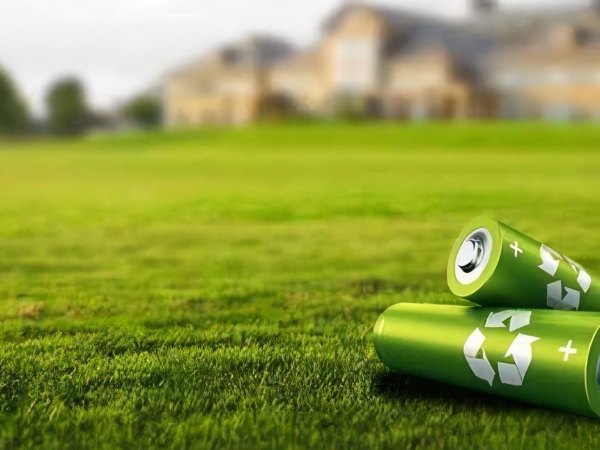
With the rapid growth of the industry, lithium-ion battery recycling has become a major concern.
Lithium-ion battery recycling is a complex process that requires advanced technologies and sophisticated processes.
And the recycling rate of lithium-ion batteries is still low.
More, the future of recycling these batteries is promising. Governments and businesses have started investing in more advanced and efficient recycling infrastructure.
Companies like Tesla have started building lithium-ion battery recycling plants, who are able to recover up to 95 % precious materials contained in batteries.
What's more, new recycling technologies are being developed, that could make lithium-ion battery recycling easier, less expensive and more efficient.
For example, researchers have developed methods to recycle lithium-ion batteries without prior disassembly, which could reduce recycling costs.
Other innovative recycling technologies, such as pyrometallurgical and hydrometallurgical recycling, could also help improve the recycling rate of lithium-ion batteries.
At the end of the day, the production and use of these batteries for electric cars is likely to continue and expand, as the environmental benefits of electric cars become more apparent to consumers and battery technology improves.
However, it is important to continue to monitor and manage the environmental and social challenges related to lithium extraction and production, while working to find long-term sustainable alternatives to meet the needs of electric mobility.