
Introduction
Optical fibers and electrical cables play a crucial role in modern infrastructure, ranging from communications to energy transmission. Although these two technologies are often confused, they have applications, distinct features and benefits. This article explores their differences in detail and guides readers to choose the solution best suited to their needs.
Basics of optical fibers and electrical cables
What is an optical fiber ?
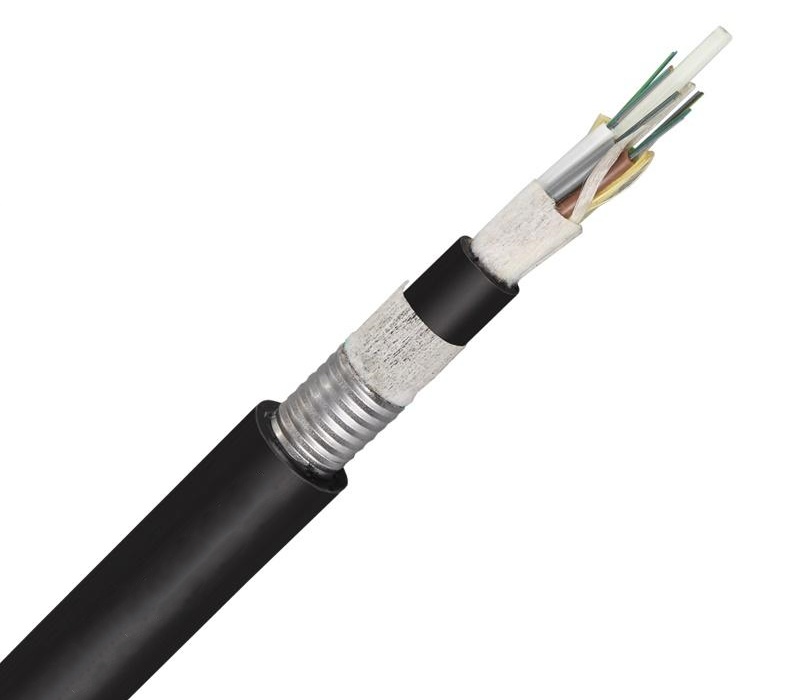
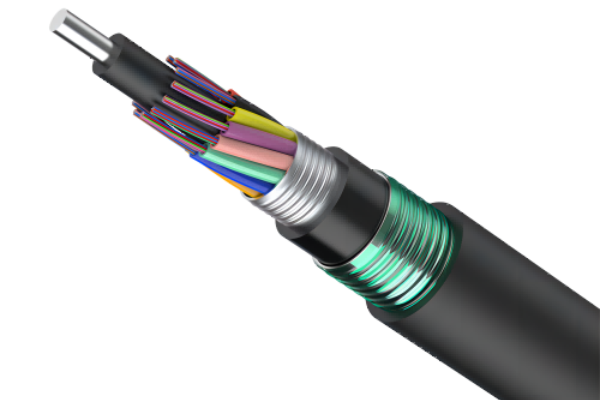
Optical fiber is a means of transmission based on light, capable of carrying data at high speed over long distances. It consists of three main layers : the heart, where the light flows ; the sheath, which reflects light towards the heart ; and a protective layer.
Optical fibers are also recognized for their lightness and flexibility, making it an ideal choice for complex installations requiring limited space.
What is an electrical cable ?
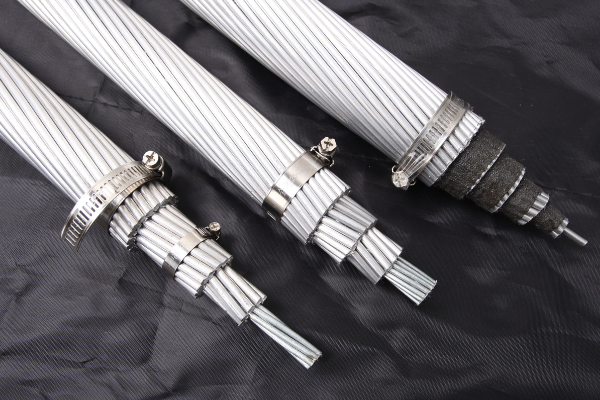
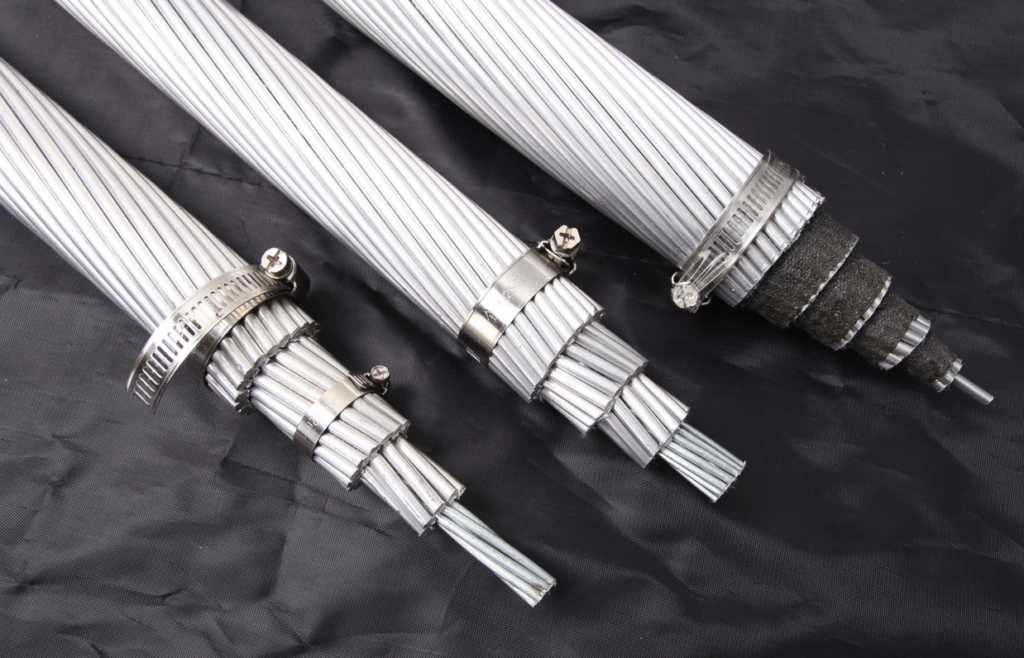
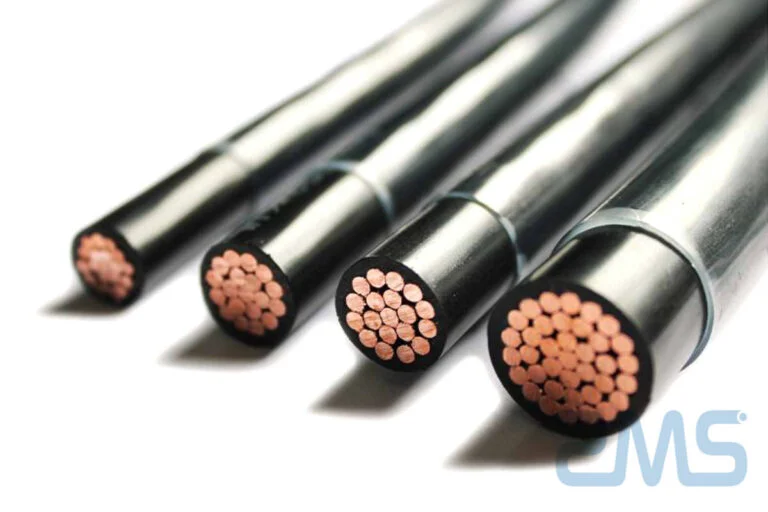
An electrical cable is designed to transmit electrical energy or electrical signals. It is composed of a metallic conductor (often made of copper or aluminum), surrounded by insulation, a possible shielding layer, and an external sheath for protection.
Electrical cables come in many variations depending on their use, such as rigid cables for fixed installations or flexible cables for mobile equipment.
Main categories
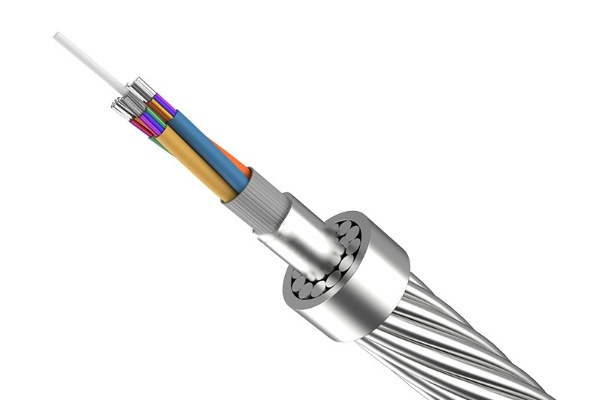
Optical fibers : fibres multimodes, monomodes, OPGW, and ADSS.
Electrical cables : high voltage cables, basse tension, fire resistant and low in smoke and halogens.
Comparison of technical parameters
Transmission
Optical fibers use pulses of light to transmit data at higher speeds and over greater distances. They are ideal for long distance networks and data centers.
Electrical cables transmit electricity or electrical signals, generally over shorter distances.
An important point to note is that optical fibers allow almost unlimited bandwidth, adapted to the growing data needs of businesses and consumers.
Electromagnetic interference (EMI)
Optical fibers are not susceptible to electromagnetic interference, making them ideal in complex environments.
Electric cables, especially unshielded ones, can be disturbed by EMI. However, shielded cables provide enhanced protection.
Applications in industrial areas, where NDEs are common, often favor the use of optical fibers for control systems or communication networks.
Installation and maintenance costs
Optical fibers have a higher initial cost, but they require less maintenance in the long term.
Electrical cables are less expensive to install, but their maintenance can be regular, especially in harsh environments.
However, Improved manufacturing processes and increased demand have helped gradually reduce the cost optical fibers, making them more accessible.
Ideal Uses
Optical fiber applications
Telecommunications : Backbone of Internet networks and 5G mobile networks.
Transmissions sous-marines : Undersea fiber optic cables connect continents for international communications.
Data centers : Fibers manage the growing volume of business data.
Optical fibers are also used in smart infrastructure and connected buildings for their speed and ability to support IoT devices.
Applications of electrical cables
Energy transport : High voltage cables for distribution networks.
Domestic applications : Wiring of buildings and electrical equipment.
Industries : Power supply for heavy machinery and production systems.
In the renewable energy sector, electric cables play a key role, for example to connect solar panels to inverters or to transport electricity from wind turbines to national grids.
Influencing factors for choice
Specific technical requirements
If your project requires ultra-fast and reliable data transmission, for example for data centers or telecom networks, optical fibers are the best choice.
For standard electrical applications, such as powering industrial or domestic equipment, electrical cables are more suitable.
Electrical cables insulated specifically for humid or submerged environments, such as submarine cables, meet very specific technical requirements.
Environmental conditions
In environments subject to electromagnetic interference, optical fibers, immune to this interference, are ideal.
Whether the wiring will be exposed to moisture, to heat or corrosive substances, choose specific electrical cables, such as those with a polyethylene sheath or with low smoke and halogen -free.
Extreme conditions, such as negative temperatures or areas of high exposure to UV rays, require specialized materials, available in the ZMS range.
Lifespan and robustness
For long-term infrastructure, such as underwater installations or large-scale industrial projects, optical fibers provide exceptional durability.
If you need an economical solution for temporary installation or everyday use, electrical cables offer good profitability.
Projects requiring frequent repairs or updates often benefit from hybrid solutions that combine optical fiber and electrical cables for optimal performance.
Overall cost
Optical fibers require a higher initial investment, but they reduce operational costs thanks to their low maintenance.
Electric cables, although generally more affordable to purchase, may result in recurring costs for their maintenance.
The overall cost also includes energy savings achieved through optimized conductors and advanced technologies, an area in which ZMS excels.
Advantages of ZMS products
Advantages of ZMS optical fibers
Haute performance : Optical fibers ZMS guarantee stable and fast transmission, even over long distances.
Long lifespan : Designed to withstand the harshest environmental conditions, they offer an exceptional lifespan.
Personalization : ZMS offers solutions adapted to varied needs, notably OPGW and ADSS fibers for specific applications.
Compliance with international standards : All fibers are manufactured in accordance with quality and safety standards.
Advantages of ZMS electrical cables
High quality materials : Use of premium copper or aluminum conductors for optimal conductivity.
Durability and resistance : Cables designed to withstand extreme conditions, including heat, humidity and corrosive substances.
Wide range of products : From high voltage cables to low voltage solutions, ZMS covers all energy transmission needs.
Tailor-made solutions : Customization available for specific projects, guaranteeing maximum adaptability.
Conclusion
Choosing between optical fiber and electrical cable depends on project requirements, environment and budget. With ZMS, you benefit from a complete range of reliable products adapted to all your needs. Visit our website to explore our solutions !