
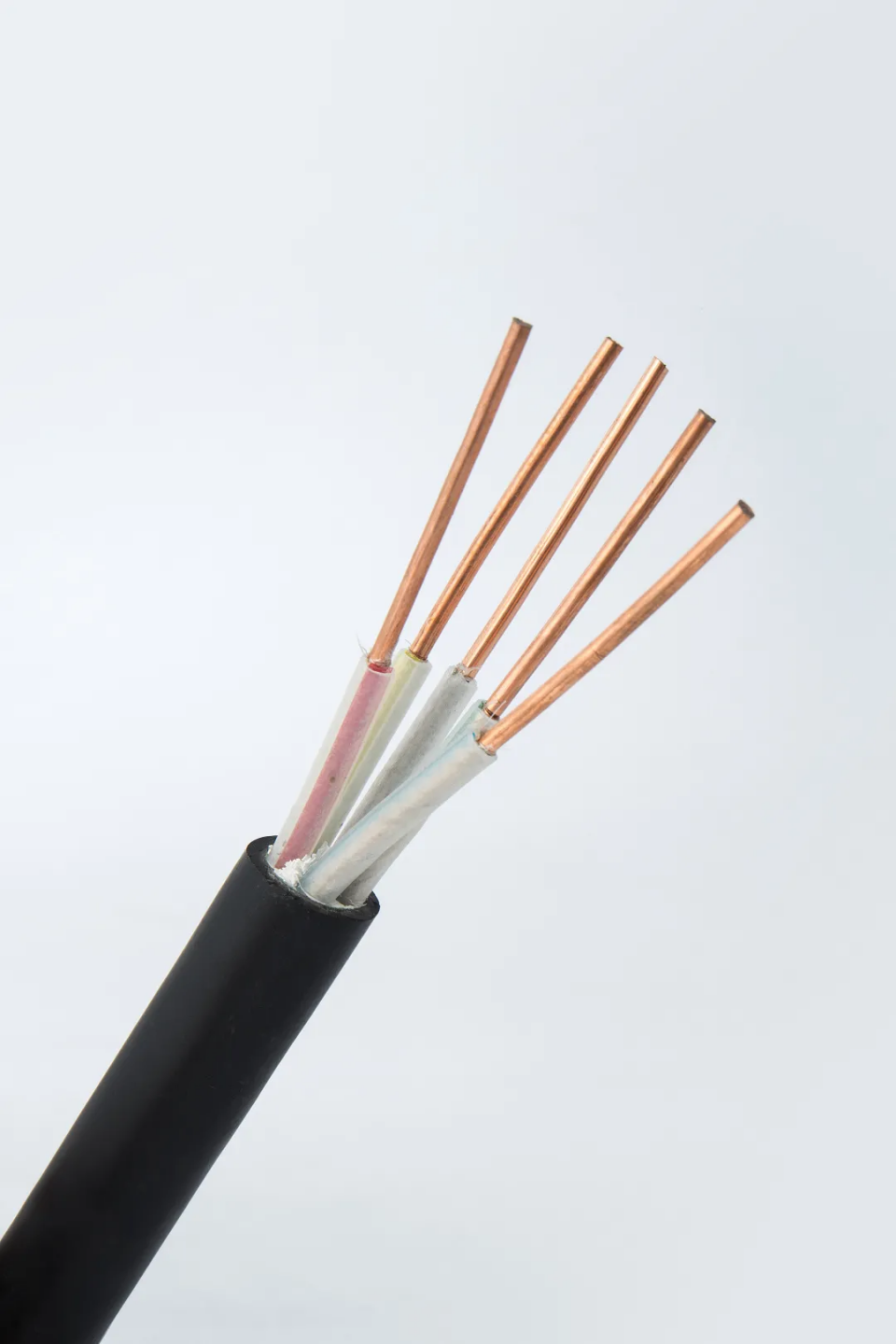
A control cable is a cable used to transmit electrical signals, electrical energy or data. They constitute an essential infrastructure for modern industry and technology. It is widely used in various fields. The control cable has remote communication functions, signal transmission, surveillance, protective, etc. It constitutes a solid guarantee for the normal functioning of the industry, electrical energy, transport, water conservation and other areas. Control cables are usually composed of several conductors or cable cores, wrapped in insulating material, and are often used in industrial control systems, electricity, transport, hydraulics, etc.
Construction
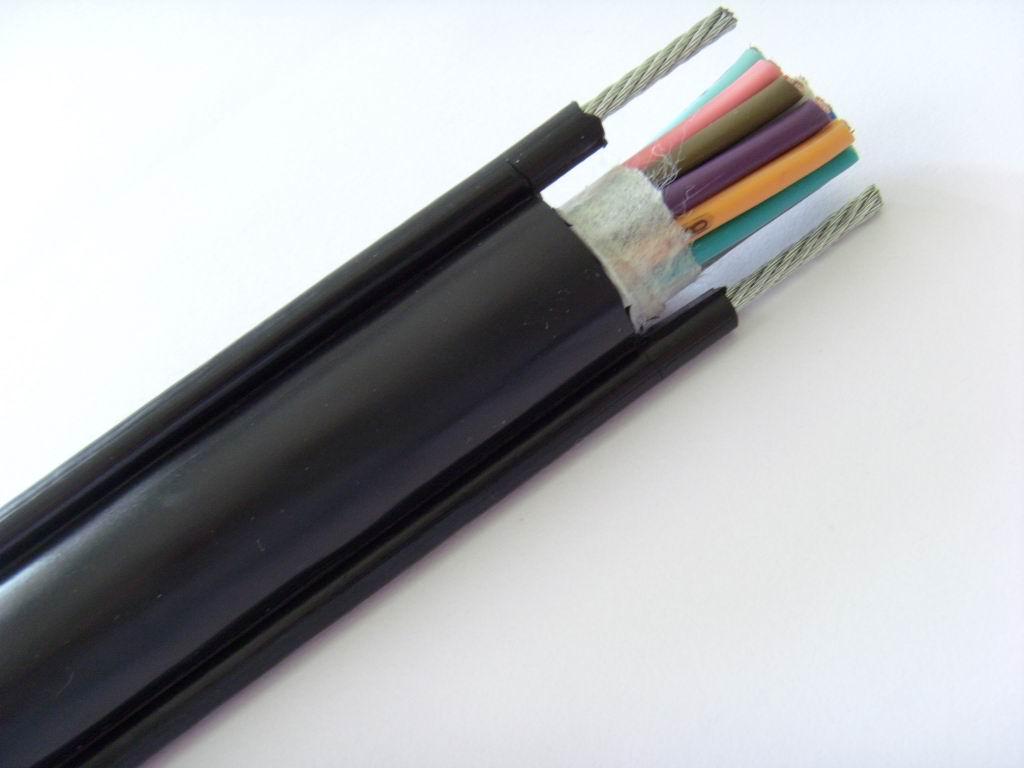
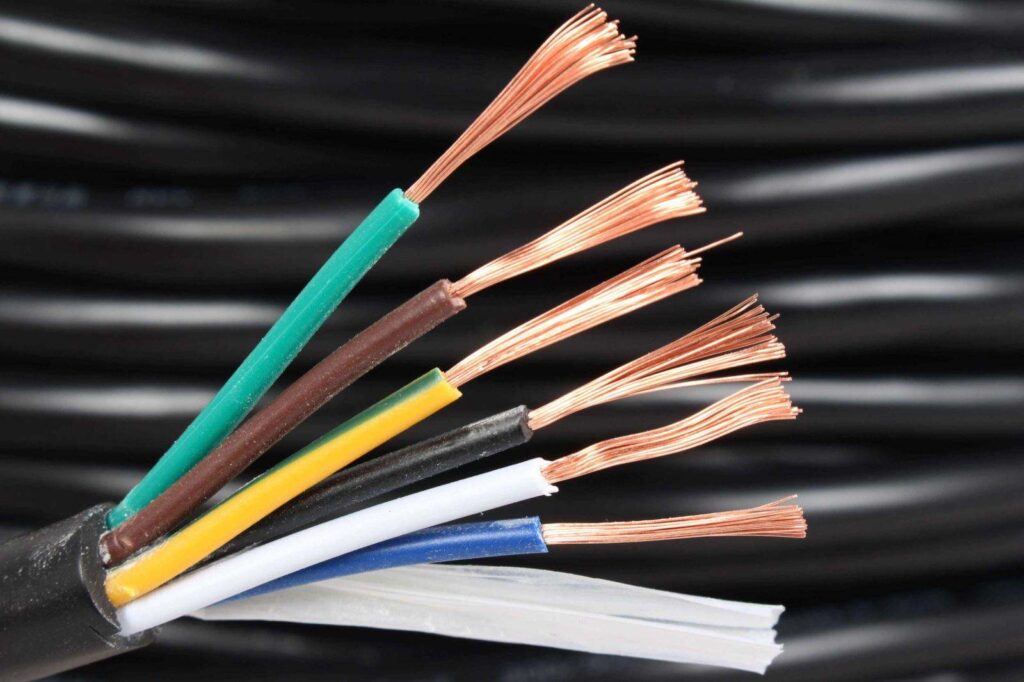
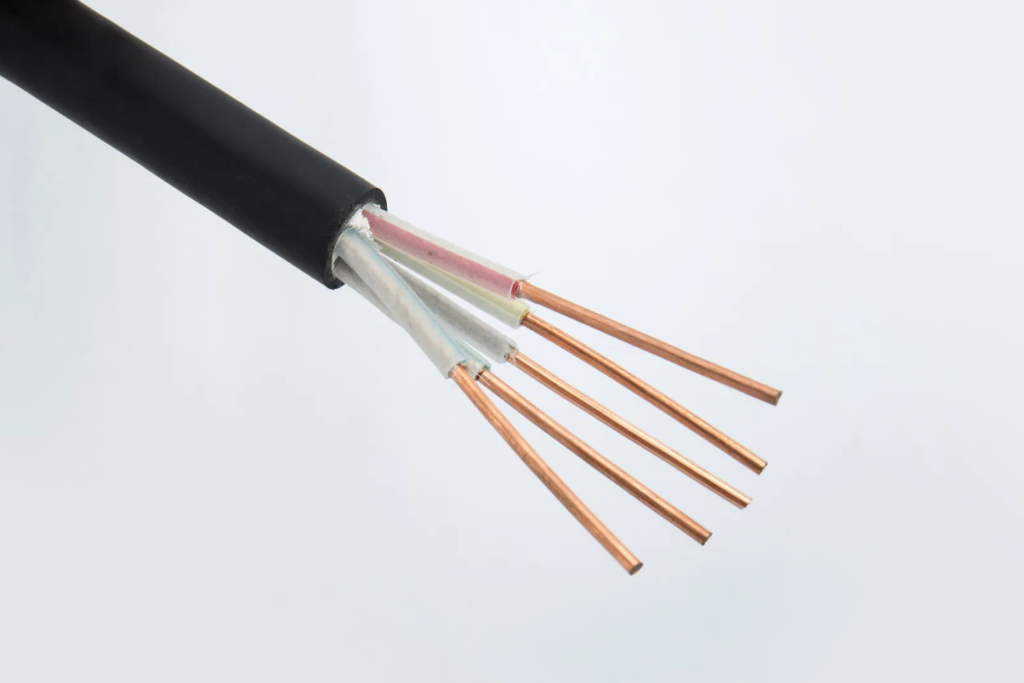
The structure of control cables is carefully designed to ensure stable signals and reliable power transmission. The structure of control cables includes conductors, insulation and sheath. Some control cables are also braided or armored to meet different application environments and required functions and performance.
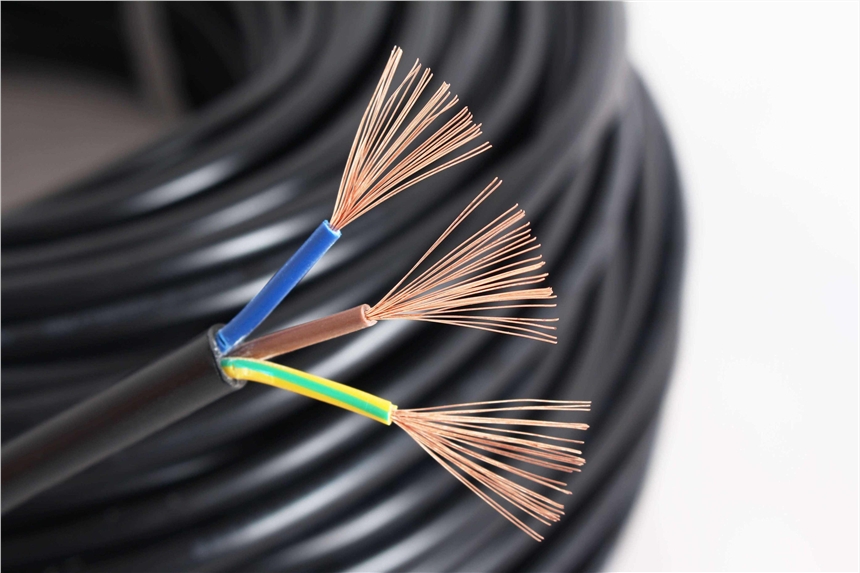
1) Driver : control cables typically contain one or more conductors used to transmit electrical signals or data. The conductors can be copper or aluminum wires with good electrical conductivity.
2) Isolation : the conductor is surrounded by a layer of insulating material, usually a polymer such as polyethylene (PE), reticulated polyethylene (XLPE) or polyvinyl chloride (PVC). The role of the insulating layer is to prevent the current between the conductors from affecting each other., thereby reducing electrical signal interference and energy loss.
3) Sheath : outside the insulating layer is a sheath layer, used to protect internal cable components from mechanical damage, chemical erosion and environmental conditions. Common sheath materials are polyvinyl chloride (PVC), polyurethane (PUR) and polyester (PE).
4) Braid or weave : some control cables may also have braid or armor. These constructions are used to provide additional mechanical protection and electromagnetic shielding. The braid is generally made of woven metal wires (copper, For example). The armor is made of a metal ribbon or tight wire.
Control cable construction can be customized to meet the needs of different applications. For example, some control cables need to be more resistant to interference. Special shielding structures are then used to reduce the effect of external electromagnetic interference on the signal. And in certain harsh environmental conditions, such as high temperature environments, low temperature or chemically corrosive, the choice of materials and structural design of the control cables will be adapted accordingly to ensure the reliability and durability of the cables.
Features
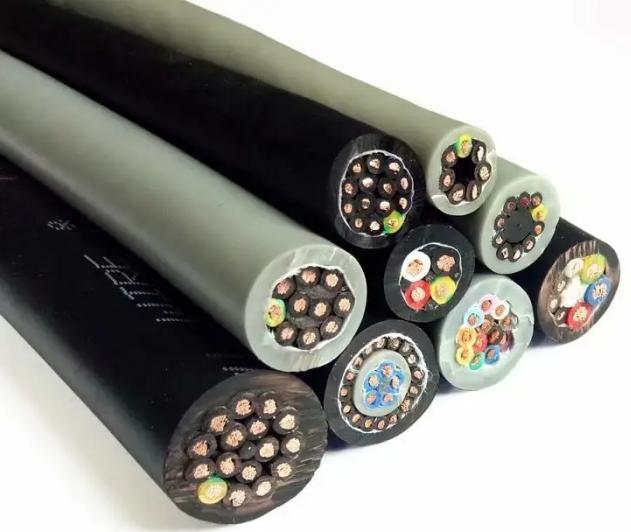
Moisture resistant, corrosion and damage. These features allow control cables to operate reliably in harsh environments and not be easily damaged.
Accurate signal transmission and high resistance to interference. The design of the conductor structure and the selection of insulation materials of the control cable ensure the stability of transmission performance, thereby resisting external interference and ensuring the accuracy and reliability of signal transmission.
Long life. Shield and outer jacket design improves cable durability and reduces the frequency of damage and maintenance.
Multiconductor design. Allows simultaneous transmission of multiple signals or power supplies, which is suitable for complex application scenarios.
Armor protection. A metal layer or braid is generally used to isolate external electromagnetic radiation and electromagnetic interference, thus improving interference suppression.
Great durability. Suitable for harsh environments such as high and low temperatures, humidity or corrosive environments.
Good flexibility. Good flexibility and bending properties make installation and wiring easier.
Compliance with current standards. IEC standards, UL, CE and others guarantee safe and reliable use.
Flame retardant and fire resistant properties. In some cases, control cables feature flame-retardant and fire-resistant characteristics that allow them to continue to operate reliably under special circumstances.
Control cables are generally used to transmit control signals, measurement and other functions, and are suitable for industrial and mining companies, to electrical power systems, to control and protection circuits with rated alternating current voltages of up to 450/750 volts and on other occasions.
Role of control cables
Control cables are also a type of cable that maintains power circuits. Their key raw material is polyethylene. Thanks to its excellent insulation properties, control cables made with this material can operate normally under a rated voltage of 450/750 volts. Therefore, these cables allow you to properly control the operation of the circuits.
Their main role includes the following aspects :
1. Transmission of electrical signals : Control cables transmit electrical signals to control machines and equipment, thus guaranteeing their proper functioning. In the industrial automation process, control cables can be used with sensors and other devices. They convert changing environmental factors, such as temperature and pressure, into electrical signals and transmit them to the controller. The latter then controls the operation of the machine.
2. Improved production efficiency : By enabling rapid control of machines and equipment, control cables help increase production efficiency, thereby avoiding errors and delays associated with manual control.
3. Guarantee of production safety : In addition to controlling and regulating industrial machines and equipment, control cables also ensure their safety. They allow you to monitor the operating status, to limit the operating range of the equipment, thus avoiding accidents.
4. Improved circuit stability and reliability : Control cables are not limited to transmitting electrical signals, they also help improve circuit reliability and stability. Their material and structure guarantee characteristics such as resistance to pressure, corrosion resistance and interference resistance, effectively protecting them against external disturbances and environmental influences, thus ensuring the stability and reliability of the circuits.
Areas of application
Control cables are mainly used to transmit signals. Control cables play the role of remote communication, signal transmission, handling, control, monitoring and protection in the circuit. Wires are used to transmit signals, to carry out remote communications, to monitor and protect. They are widely used in industry, electricity, transportation, water conservation and other areas, and constitute an essential infrastructure for modern industry and science and technology.
Traffic
Control cables can connect traffic signals and traffic control centers to enable remote signal transmission and manipulation.
Circuit
It can transmit electrical signals from the controller to actuators or sensors to enable remote communication and manipulation.
Water engineering
It can connect water level sensors and valves for remote monitoring and control.
Electrical Power Systems
Control cables can be connected to circuit breakers and protection relays for remote control and protection.
Construction sector
It can be used for signal transmission of automatic control systems ;
Aviation field
Control cables can be used for aircraft control systems and navigation systems.
Choosing the correct control cable is essential for electrical safety and ZMS Cable is committed to producing high quality control cables. If you want to know more, do not hesitate to contact us.