
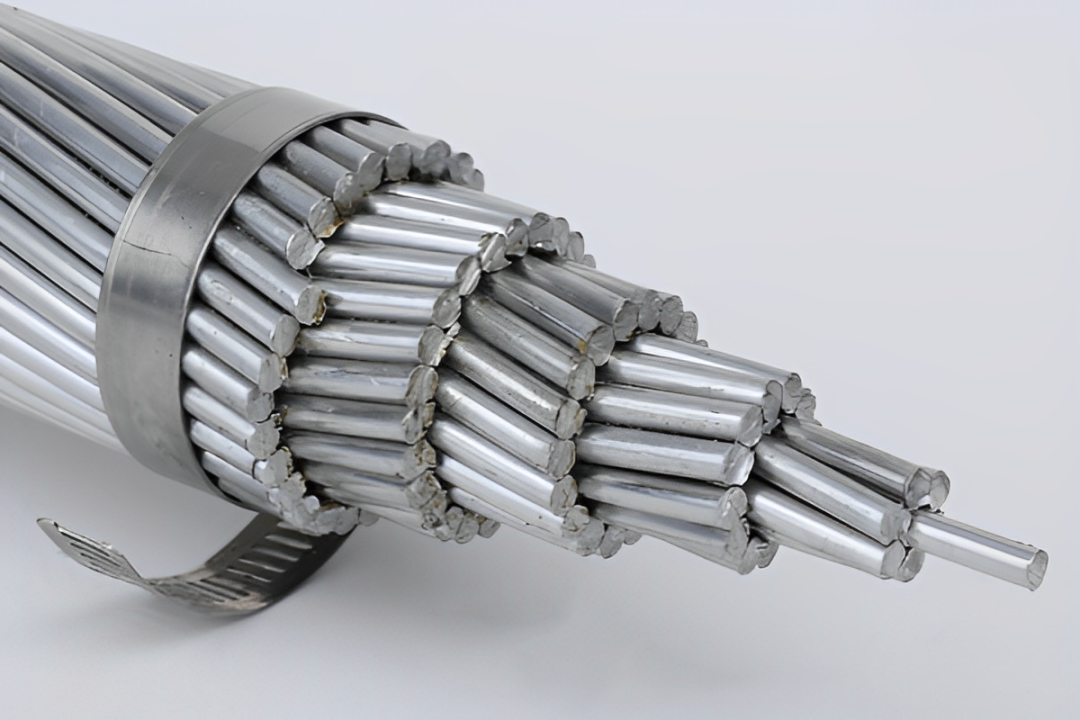
In the field of electricity transmission, the choice of cable has a direct impact on the efficiency and reliability of the system. AAAC cables (All Aluminum Alloy Conductor) and ACSR (Aluminum Conductor Steel Reinforced) are two common types of transmission cables. They each have different characteristics and applications. Understanding these differences allows engineers and buyers to make the best choice for specific needs and environments.. This article explores the main differences between AAAC and ACSR cables, and presents the advantages of cables produced by ZMS Cable.
Basic concepts of AAAC and ACSR cables
AAAC cable
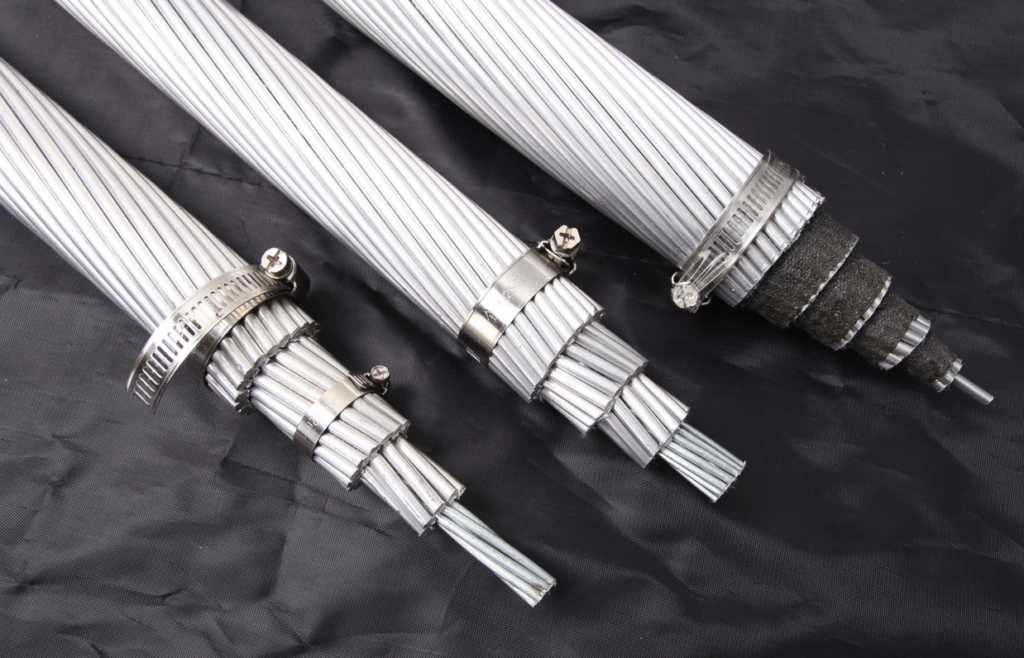
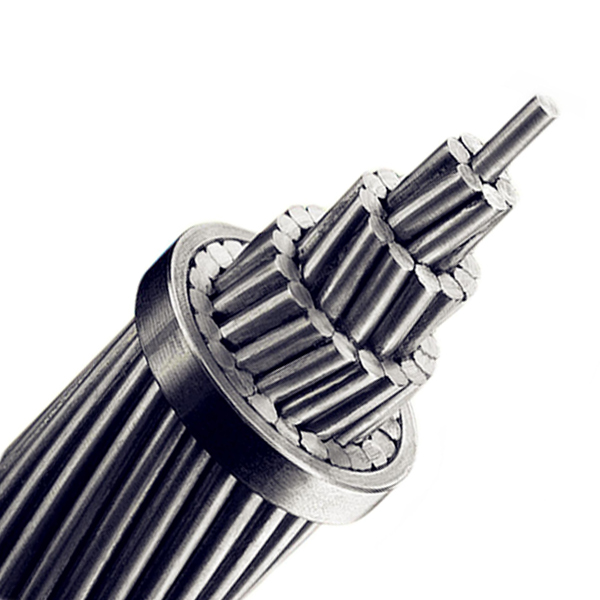
The AAAC cable, ou All Aluminum Alloy Conductor, is a cable made entirely of an aluminum alloy, usually an alloy of magnesium and silicon. It is distinguished by the absence of a steel core. This alloyed aluminum structure gives it excellent performance in terms of conductivity and corrosion resistance.. AAAC cable is commonly used in medium and high voltage transmission lines, especially in corrosive environments.
ACSR cable
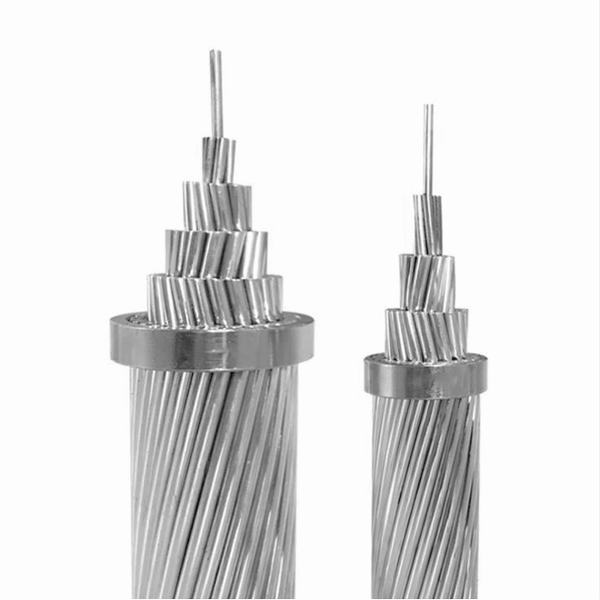
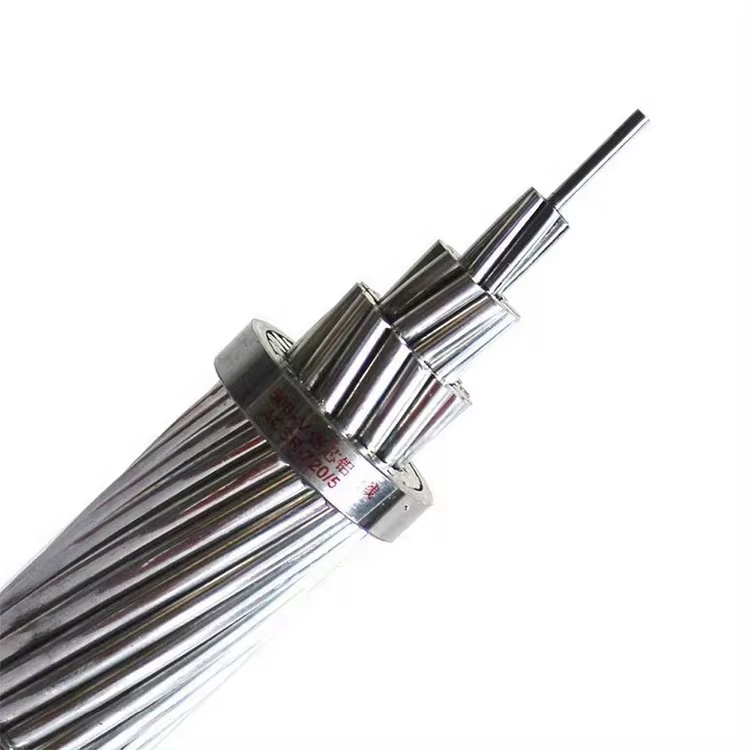
ACSR cable, ou Aluminum Conductor Steel Reinforced, is a cable composed of a steel core and aluminum wires. The steel core provides additional mechanical strength, while the aluminum wires ensure current conduction. ACSR cable is ideal for long distances and transmission lines requiring high voltage. It can withstand large tensions and mechanical loads, which makes it particularly suitable for long ranges.
Main differences between AAAC and ACSR cables
Material composition
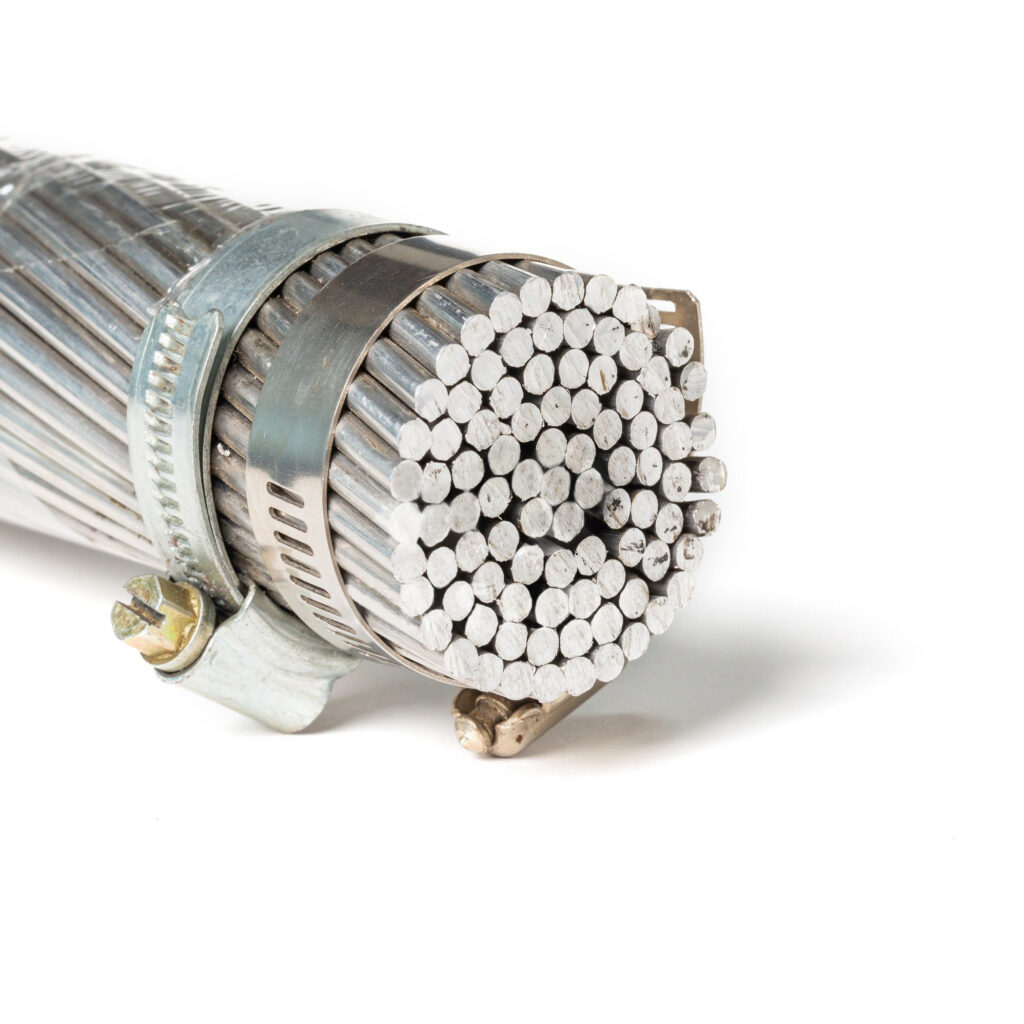
AAAC cable : Made entirely of an aluminum alloy, without steel core. This homogeneous conductor offers good conductivity and excellent corrosion resistance.
ACSR cable : Made from a mix of aluminum wires and a steel core. The steel core reinforces mechanical strength, while the aluminum wires conduct the current. This makes the cable more suitable for high voltages.
Mechanical resistance
AAAC cable : Although its tensile strength is high, its overall mechanical resistance is lower than that of ACSR. Without steel core, it is more suitable for situations where voltage requirements are lower.
ACSR cable : The steel core gives it greater mechanical resistance, making it ideal for long distances and long ranges. It can withstand high voltages, making it a good choice for crossing rivers or mountains.
Conductivity
AAAC cable : Aluminum alloy provides high conductivity and low resistance, which reduces losses on the line.
ACSR cable : Although aluminum is conductive, the steel core is not. Therefore, the overall conductivity of ACSR is slightly lower than that of AAAC.
Corrosion resistance
AAAC cable : Its alloyed aluminum composition strongly resists corrosion. It is particularly suitable for coastal or corrosive environments, which extends its lifespan.
ACSR cable : Steel core is more prone to corrosion, especially in humid environments. Additional anti-corrosion treatment may be required to extend its lifespan.
Weight
AAAC cable : Thanks to the use of aluminum, AAAC cable is lighter than ACSR. This reduces the load on the pylons and reduces installation costs.
ACSR cable : Steel core increases cable weight. Equal size, the ACSR is heavier, which can complicate installation and maintenance.
Application scenarios
AAAC cable : Suitable for environments requiring high corrosion resistance and light weight, such as coastal areas or polluted environments.
ACSR cable : Suitable for scenarios requiring high mechanical strength and long spans, such as long distance transmission lines and large spans.
Comparison of the advantages and disadvantages of AAAC and ACSR cables
Advantages of AAAC cable
Lightness : Reduces stress on support structures, thus reducing construction and maintenance costs.
Excellent conductivity : Low resistance, reducing energy losses during transmission.
High resistance to corrosion : Particularly suitable for harsh environments, requiring less maintenance.
Disadvantage of AAAC cable
Lower mechanical resistance : Not suitable for high voltage applications, limiting its scope.
Advantages of ACSR cable
High strength : Steel core provides additional mechanical strength, allowing higher voltages to be supported.
Suitable for long ranges : Ideal for long distance transmission lines, ensuring stable transmission of electricity.
Disadvantages of ACSR cable
High weight : Increases installation and maintenance costs, with additional constraints on support structures.
Steel core corrosion : Requires anti-corrosion treatments to extend cable life.
How to choose between AAAC cable and ACSR cable
To choose the right type of cable, the following factors must be taken into account :
Environmental conditions : If the environment is highly corrosive and weight is a constraint, AAAC cable is recommended.
Transmission distance and voltage : If long distance transmission and high voltage are needed, ACSR cable is the best choice.
Cost : It is important to consider installation costs, maintenance and long-term profitability.
Advantages of AAAC and ACSR cables produced by ZMS Cable
High quality standards
ZMS Cable's AAAC and ACSR cables meet international standards. This guarantees excellent conductivity and high mechanical resistance.
Corrosion resistance
ZMS AAAC cables use high quality aluminum alloy materials, offering excellent corrosion resistance, suitable for coastal and polluted environments.
ACSR cables ZMS Cable benefit from a special anti-corrosion treatment on the steel core, thus extending their lifespan.
Long life
ZMS cables are manufactured with high quality materials and advanced processes. This ensures a long service life and reduces maintenance and replacement costs.
Personalization service
ZMS Cable offers tailor-made cable services. They meet specific customer needs, thus guaranteeing optimal performance and better adaptability.
Conclusion
AAAC and ACSR cables differ in their composition, their mechanical resistance, their conductivity, their resistance to corrosion and their applications. Choosing the right type of cable can improve the performance and economics of the transmission system. ZMS Cable, with its high quality standards, its excellent anti-corrosion properties, its long lifespan and its customization service, offers reliable solutions in the cable market. Whether you choose AAAC or ACSR cable, ZMS provides trusted products to meet your transmission needs.