
When installing electrical equipment outside your home, it is important to choose the right type of electrical cable exterior to ensure the safety and reliability of your electrical system.
Harsh weather conditions such as rain, snow, wind and heat can damage standard cables and cause electrical failures. It is therefore important to choose a cable that is suitable for outdoor conditions..
There are several types of electrical cables suitable for outdoor use.

Types of Outdoor Electrical Cable
Rubber cables are a popular choice for outdoor applications due to their ruggedness and weather resistance. They are flexible and easy to install, making them ideal for applications requiring additional flexibility.
PVC cables (polyvinyl chloride) are also a popular option for exterior installations due to their corrosion resistance and compatibility with a variety of applications, such as exterior lighting, the swimming pools, spas and gardening equipment.
It is important to ensure that the electrical cable chosen is rated for outdoor use.
Cables rated for outdoor use are designed to withstand harsh weather conditions and ensure a stable and secure power supply.
Be sure to check the cable rating before purchasing to be sure it is suitable for outdoor use.
In addition to choosing a robust electrical cable adapted to outdoor conditions, it is also important to take into account the length of cable needed for your installation. Longer cables require additional protection against harsh weather conditions to prevent outages and ensure electrical system reliability.
SO, when installing electrical equipment outside your home, it is important to choose an electrical cable adapted to outdoor conditions and rated for outdoor use.
Taking into account the length of the cable and making sure to choose a robust cable adapted to difficult climatic conditions, you can guarantee a reliable and secure electrical installation outside your home.
How to Choose an Outdoor Electrical Cable
Here are the important criteria to consider when choosing an outdoor electrical cable :
Tension nominale : Make sure the cable's voltage rating matches that required for your electrical installation.
Isolation : Check that the outdoor electrical cable has appropriate insulation for outdoor use. PVC or rubber cables are often used for their weather resistance.
Drivers : Conductors should be made of copper to ensure better electrical conductivity and greater durability.

Conductor Section : The conductor section depends on the power required for your installation. Make sure you choose a sufficient section to avoid power losses.
Certification : Verify that the outdoor electrical cable is certified for outdoor use. Certified cables meet required safety standards.
Finally, by choosing an outdoor electrical cable that meets your voltage needs, d’isolation, of drivers, section and certification, you can be sure that you have a reliable and safe cable for your outdoor electrical installation.
Once you have chosen the right cable, it's time to start your installation project. Here are some things you need to consider when installing.
How to Make an Outdoor Electrical Installation
Exterior electrical installations can be useful for powering exterior lighting, power outlets for gardening tools, swimming pools or spas. Here's how to carry out an outdoor electrical installation safely :
Plan your project : Decide the number and type of electrical appliances you want to power, the location of electrical outlets and switches and the routing of electrical wiring.
Know the local codes : Electrical codes vary by region, therefore it is important to know local codes before beginning installation.
Equip yourself : It is important to have the necessary tools, such as a voltage detector, stripping pliers, a screwdriver, a hammer and electrical boxes.
Install a dedicated electrical box : Install a dedicated electrical box for your outdoor electrical installation. Make sure the box is waterproof to protect the electrical components from the elements.
Power your installation : Use an electric wire approved for outdoors to power your electrical installation. Make sure the wire is properly protected by a protective sleeving to prevent damage from weather.
Install outlets and switches : Install outlets and switches following the manufacturer's instructions and complying with local codes.
Test your installation : After installing all components, check that everything is working properly by testing outlets and switches.
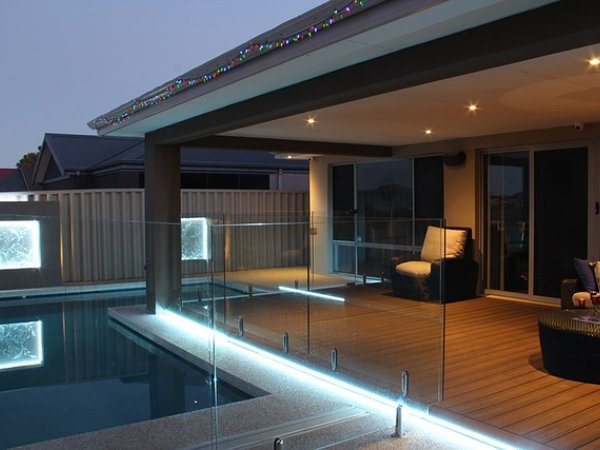
By following these steps, you can carry out an outdoor electrical installation in complete safety.
However, if you are not comfortable with electricity or if you are unsure of yourself, it is best to call on a qualified professional.
Once placed, the cable is ready to use. At the same time, cables must withstand the harsh outdoor environment and it is important to protect them.
How to Protect an Outdoor Electrical Cable
Outdoor electrical cables are subject to adverse weather conditions such as rain, snow, ice and sun.
To prevent damage and ensure safe and reliable power supply, it is important to protect exterior electrical cables. Here's how to do it :
Use outdoor-approved electrical cables : Be sure to use electrical cables that are approved for outdoor use. These usually have a rubber or PVC sheath that protects them from bad weather.
Install waterproof junction boxes : Install waterproof junction boxes to protect connections between cables. These must be waterproof to prevent water from getting inside and causing short circuits.
Use protective sheaths : Install protective PVC conduits to protect electrical cables. These can be installed outdoors to protect cables from damage caused by weather and animals.
Avoid obstacles : Avoid laying electrical cables near areas where they can be damaged by objects such as lawn mowers or cars.
Secure the electrical cables : Secure electrical cables to supports such as poles or walls to hold them in place and protect them from damage from wind or storms.
By following these steps, you can effectively protect your outdoor electrical cables and ensure reliable power supply.
More, if you are not comfortable with the electrical installation, it is best to call on a qualified professional to help you.