
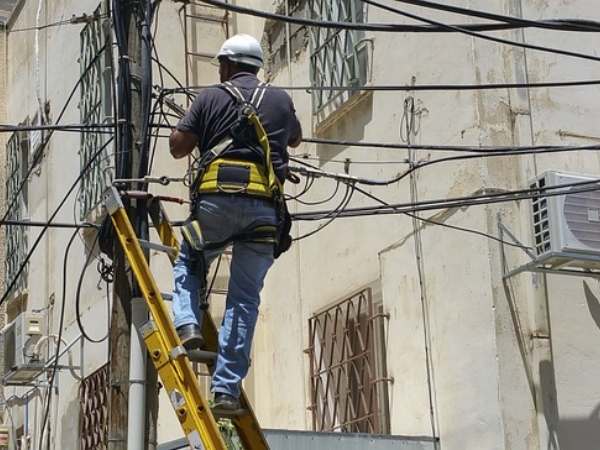
What is an Electric Cable ?
An electrical cable is a set of electrical conductors wrapped in an insulating material.
Electrical conductors are usually made of copper or aluminum and the insulating material may be rubber, plastic or fiber.
Electrical cables are used to carry electrical energy from the power source (like a power plant or solar panels) to energy consumers (like houses, buildings or factories).
There exists different types of electrical cables, each having specific characteristics and applications.
High voltage cables are used to transport large amounts of energy over long distances.
Low voltage cables are used to transport smaller amounts of power over shorter distances, like in buildings or streets.
There are also special cables such as coaxial cables used to transmit television or radio signals, or optical cables used to transmit signals at very high speed.
In general, electrical cables have a limited capacity to transport electrical energy.
Their cross section determines their ability to transport electrical energy, and this is why large diameter electrical cables are used for high voltage applications and applications requiring high power, while small diameter electrical cables are used for low voltage applications and applications requiring low power.
Furthermore, electrical cables are subject to strict safety standards to ensure their safe use.
Electrical cables must be installed correctly and maintained regularly to ensure good performance and long life..
What Are the Common Types of Electrical Cables ?
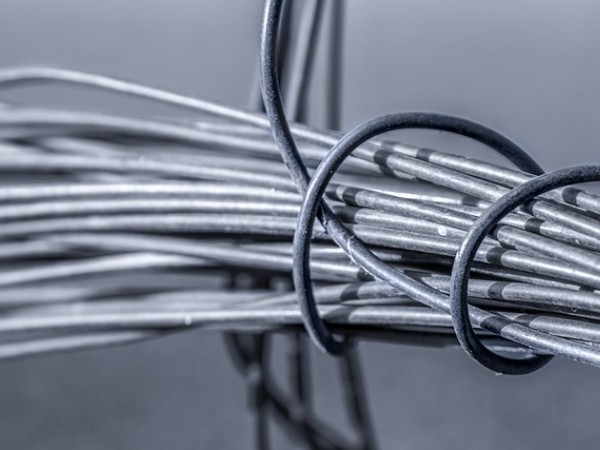
There are many types of electrical cables, each tailored to specific applications.
Electrical cables can be classified according to their voltage, of their use, of their structure or conductor material.
High voltage electrical cables are used to transport large amounts of electrical energy over long distances.
They generally have a voltage rating greater than 1 000 volts. High voltage cables can be used for overhead or underground power lines and submarine cables.
Low voltage electrical cables are used to transport smaller amounts of electrical energy over shorter distances, like in buildings or streets. They generally have a voltage rating lower than 1 000 volts.
Low voltage cables can be used for control circuits, distribution channels, power circuits, signaling circuits and communication circuits.
Coaxial electrical cables are used to transmit television or radio signals. They have a central conductor surrounded by shielding and insulating material.
Coaxial cables can be used for cable television systems, satellite television systems, FM radio systems and AM radio systems.
Optical electrical cables are used to transmit signals at very high speeds. They have a fiber optic conductor surrounded by an insulating material.
Optical cables can be used for communication networks, detection systems, control systems, surveillance systems and navigation systems.
Furthermore, there are special electrical cables such as steel cables, Aluminum cables, high temperature cables, corrosion resistant cables, water resistant cables, UV-resistant cables, shock resistant cables, vibration resistant cables and abrasion resistant cables.
It is important to choose the correct type of electrical cable for each application to ensure optimal performance and safety.
How to Choose the Right Cable for My Project ?
Choosing the right type of electrical cable is crucial to ensuring reliable performance and adequate safety in an electrical project.
There are many types of electrical cables, each tailored to specific applications. To choose the right type of electrical cable for your project, it is important to take into account several factors.
First of all, It is important to consider the voltage required for your project. High voltage electrical cables are used to transport large amounts of electrical energy over long distances.
Low voltage cables are used to transport smaller amounts of electrical energy over shorter distances, like in buildings or streets.
It is important to ensure that the electrical cable chosen is suitable for the voltage required for your project to avoid the risk of fire or overload.
Ensuite, it is important to consider the environment in which the electrical cable will be used.
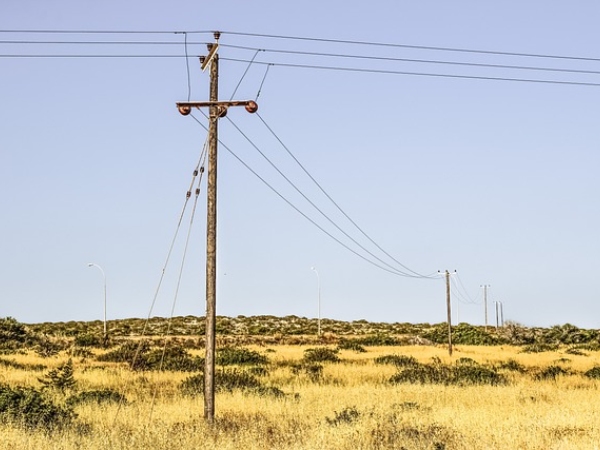
Some electrical cables are designed to withstand high temperatures, to corrosive environments or extreme conditions.
For example, whether the electrical cable will be used in a humid or underwater environment, It is important to choose a waterproof cable to avoid short circuits or corrosion.
It is also important to consider the type of signal or current that will be carried by the electrical cable.
There are special electrical cables for television or radio signals, fiber optic signals, control signals, power signals etc..
It is important to choose the right electrical cable to ensure efficient transmission and optimal signal quality.
Finally, it is important to consider the standards and regulations in force in your region. It is important to choose an electrical cable that complies with current standards and regulations to avoid compliance problems and the risk of penalties..
You can also consult local electrical codes and industry standards to ensure the electrical cable chosen is appropriate for your project.
Choosing the right type of electrical cable is crucial to ensuring reliable performance and adequate safety in an electrical project.
It is also recommended to consult a professional to ensure that the chosen electrical cable is suitable for your project and meets safety standards..
Choosing the right type of electrical cable, you can guarantee efficient performance and maximum safety for your project.
If you have questions about your cable choice, you can contact us and we will address your concerns.