
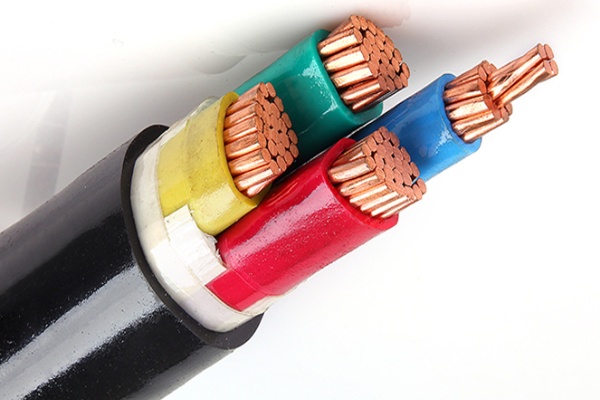
Copper cables play an essential role in energy transmission and daily applications. Thanks to their excellent conductive performance and their sustainability, They are widely used in various electrical equipment and electrical engineering projects. However, Many ask questions when they use copper cables, as their current transport capacity, Differences with aluminum cables, Or how to choose the right cable. This article aims to answer these frequent questions to help you better understand and use copper cables.
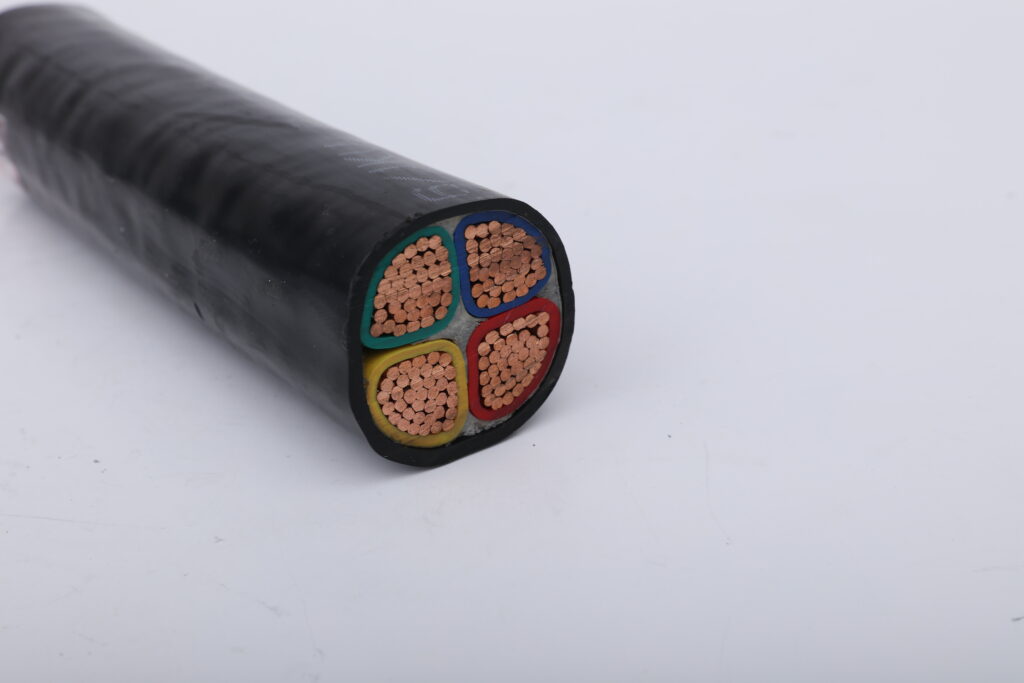
1. Current carrying capacity of copper cables
What is current transport capacity?
The current transport capacity refers to the maximum current quantity that a cable can transport safely under specific conditions. Regarding copper cables, It is crucial to know this ability, Because it directly affects the performance and life of the cable. If the current transported exceeds the capacity of the cable, This can cause overheating or even a fire.
What is the current transport capacity for different copper cable sizes?
Current transport capacity depends on several factors, such as the cross section of the cable, the material, le type d’isolation, ambient temperature and installation mode. In general, The greater the transverse section of the copper cable, The more current it can transport. For example, A copper cable of 2,5 mm² has a current transport capacity of approximately 21 A under standard conditions, while a cable of 10 mm² can transport approximately 57 A.
How to determine the current transport capacity required for a cable?
To choose the right copper cable, It is first necessary to calculate the total current request of the circuit, then refer to the cable current transport capacity table to choose the appropriate size. Make sure that cable current transport capacity is greater than real demand to guarantee safety.
2. Comparison between copper and aluminum cables
Conductivity and mechanical resistance
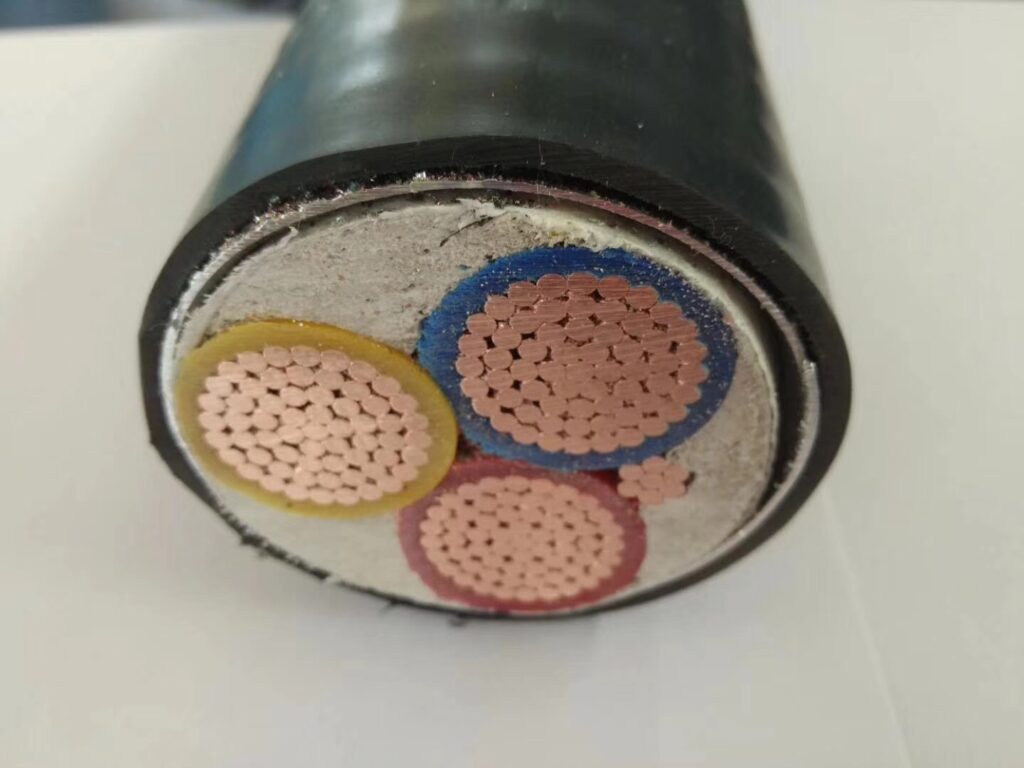
Copper cables offer higher conductivity and mechanical resistance, which makes it possible to transport a larger current with a smaller transversal section. On the other hand, Although aluminum cables are less expensive, their conductivity and mechanical resistance are slightly lower than that of copper cables. Therefore, in situations requiring high resistance and sustainability, Copper cables are often the best choice.
Corrosion and durability resistance
Copper has excellent corrosion resistance, which makes copper cables more efficient than aluminum cables in wet or corrosive environments. What's more, Copper cables have a longer lifespan under frequent movement or vibration conditions, Because they are less likely to break up when they are folded or moved.
Price and value for money
Although the cost of copper cables is generally higher than that of aluminum cables, their superior performance and longer lifespan provide better value for money in applications where reliability and low maintenance are crucial.
3. Lifespan of copper cables
Factors influencing the lifespan of copper cables
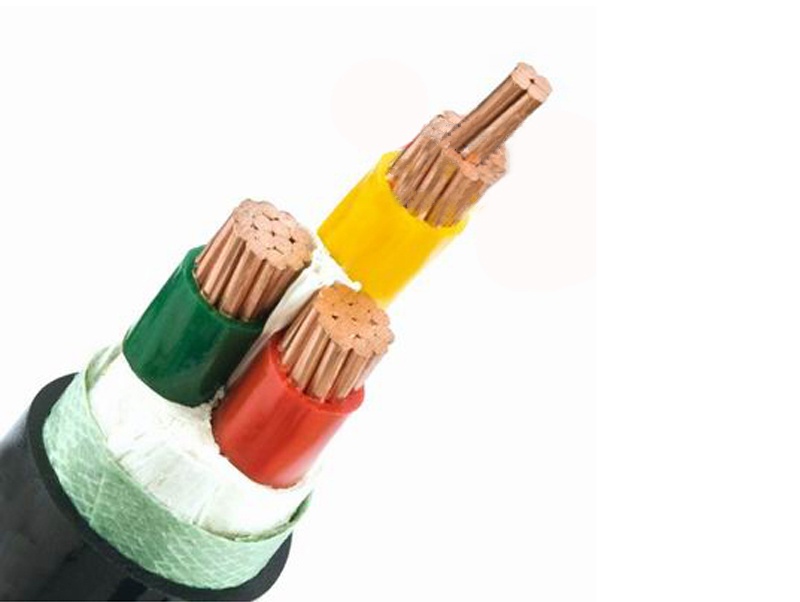
The lifespan of copper cables is influenced by various factors, such as the work environment (like the temperature, humidity, the presence of corrosive gases), the load on the cable and the installation method. Especially, cable insulation can degrade in high temperature and humid environments, which affects their overall lifespan.
How to extend the life of copper cables?
To prolong the lifespan Copper cables, It is essential to install them properly and maintain them regularly. Maintain a dry working environment, Avoid cable overload, And regularly check the integrity of the envelope and the insulation of cables are all measures that can effectively prolong the life of cables.
4. Current specifications and use of copper cables
Introduction to cable specifications
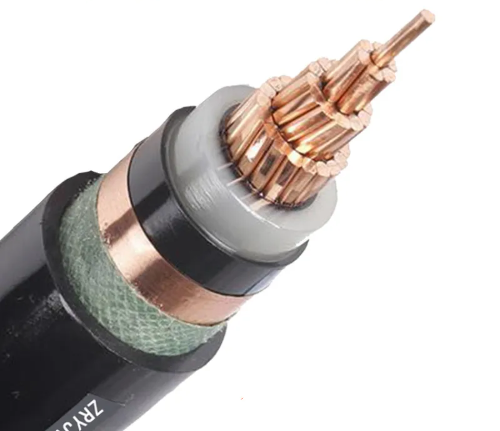
Copper cables are available in several specifications, in particular different transversal sections, types d’isolation et structures. Each specification is suitable for specific applications. For example, Small section copper cables are generally used for low -power equipment and domestic wiring, while those in large section are intended for industrial equipment and electricity transport.
To what uses correspond to the different specifications of copper cables?
Copper cables with a section of 1,5 mm² à 2,5 mm², For example, are commonly used in domestic circuits, Like sockets and lighting lines. On the other hand, the cables of 16 mm² and more are used for high power electrical equipment or for the transmission of electricity over long distances.
5. How to choose the right copper cable?
Key factors to consider
When choosing a copper cable, It is crucial to take into account the circuit load current, ambient temperature and installation mode (For example, posed, in conduits or directly buried). Each of these factors can influence the current transport capacity and the life of the cable.
Practical guide for the choice
To facilitate selection, We can refer to the cable current transport capacity capacity table as a function of the maximum circuit load. It is also important to consider environmental conditions and installation requirements. For example, for installation in confined or high temperature spaces, It is preferable to Choose a higher specification cable To guarantee security.
6. Price and value for money of copper cables
Composition of copper cable costs
The price of copper cables is mainly determined by the cost of copper, the cost of insulation materials and the manufacturing process. Fluctuations in the price of copper can directly affect the market price of copper cables.
How to assess the value for money of copper cables?
When selecting a copper cable, Do not just focus on the price, but also take into account your performance, its lifespan and maintenance costs. Although high -quality copper cables require higher initial investment, They generally offer better value for money thanks to their long lifespan and their low need for maintenance.
7. How to install and maintain copper cables correctly?
Installation precautions
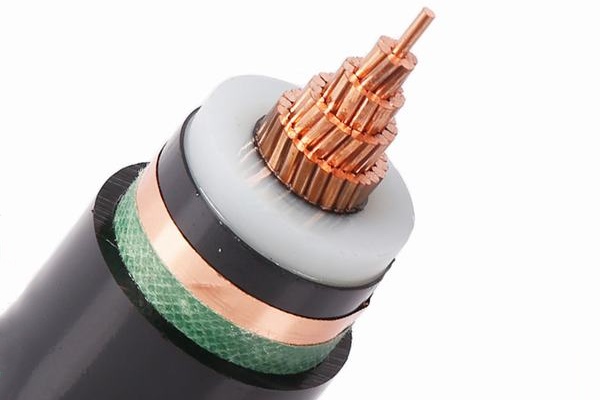
Correct installation is crucial to ensure the safety and longevity of copper cables. During installation, It is essential to avoid damaging the cables or bending them excessively and ensuring that cable connections are solid and tight.
Maintenance tips
It is recommended to regularly check the state of cable insulation, especially when used in humid or high temperature environments. Furthermore, It is important to monitor cable workload to avoid overloads that could lead to cable overheating.
8. Copper Cable Safety Issues and Prevention
Common Safety Hazards
Safety issues that can arise when using copper cables include overheating due to overloading and fires caused by short circuits. These problems are often the result of improper use or incorrect installation.
How to prevent security issues?
To prevent accidents, it is imperative to choose the correct cable specification according to electrical standards and regulations, install the cables correctly, and regularly check their condition. In situations of potential overload or risk of short circuit, it is advisable to use cable protection devices, such as circuit breakers or fuses.
9. Advantages of copper cables produced by ZMS
High conductivity and low resistance
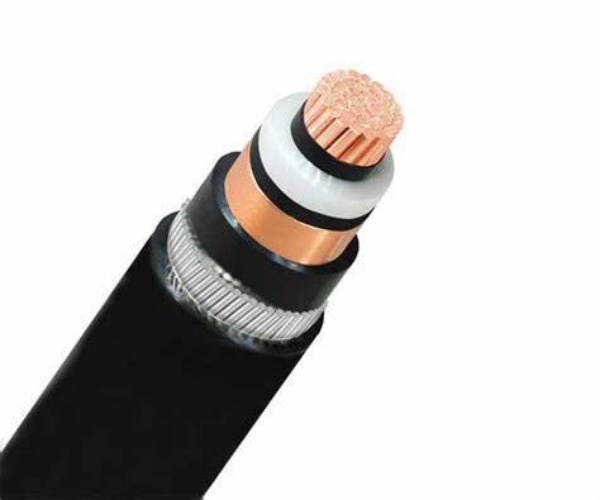
The copper cables produced by ZMS are made with high purity copper, offering excellent conductivity and low resistance. This effectively reduces energy losses and improves transmission efficiency..
Exceptional sustainability and long life
ZMS copper cables are subject to rigorous quality control and in -depth tests to guarantee their performance under difficult environmental conditions. They have an extended lifespan, which reduces maintenance and replacement costs.
High mechanical resistance and flexibility
ZMS copper cables have excellent mechanical resistance and flexibility, which allows them to resist traction and flexion without breaking. They are adapted to various complex installation environments.
Excellent corrosion resistance
Copper cables produced by ZMS Cable undergo a special treatment which gives them great resistance to corrosion. They are particularly suitable for humid environments, containing corrosive gases or requiring prolonged exposure, guaranteeing reliable long -term use.
Personalization service
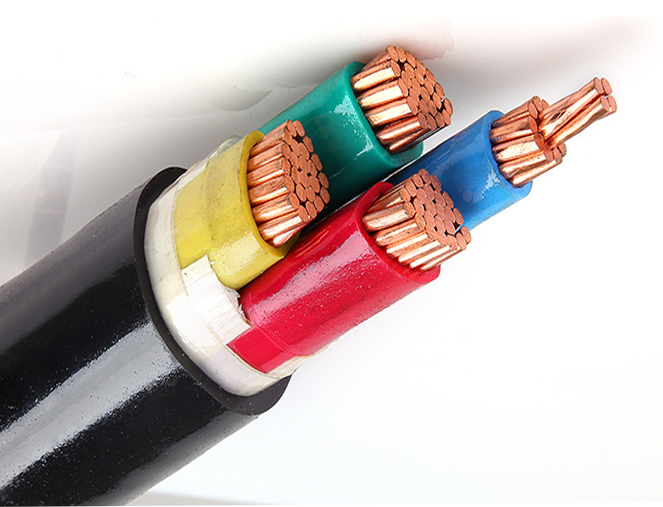
ZMS offers a personalization service for its copper cables, offering a wide range of specifications and insulation types according to the specific customer needs, thus meeting the particular requirements of various application scenarios.
These advantages make ZMS copper cables a reliable choice for the transmission of energy and various electrical applications.
Conclusion
Copper cables occupy an important place in electric and energy applications. Their performance, their selection and secure use are essential to the success of engineering projects. Including cable current transport capacity, Differences with aluminum cables, selection directives and security precautions, Users can choose and use copper cables in a more scientific way, thus ensuring their effective operation, reliable and secure.