
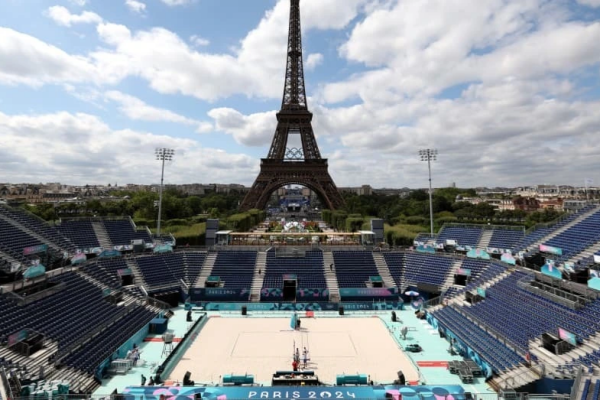
On the eve of the opening ceremony of the Paris Olympic Games 2024, the SNCF (French National Railway Company) suffered several acts of vandalism and arson, paralyzing several TGV lines and causing a large-scale power outage. This incident affected approximately 800 000 travelers. Although the opening ceremony took place as planned, some athletes canceled their trips due to these unforeseen incidents.
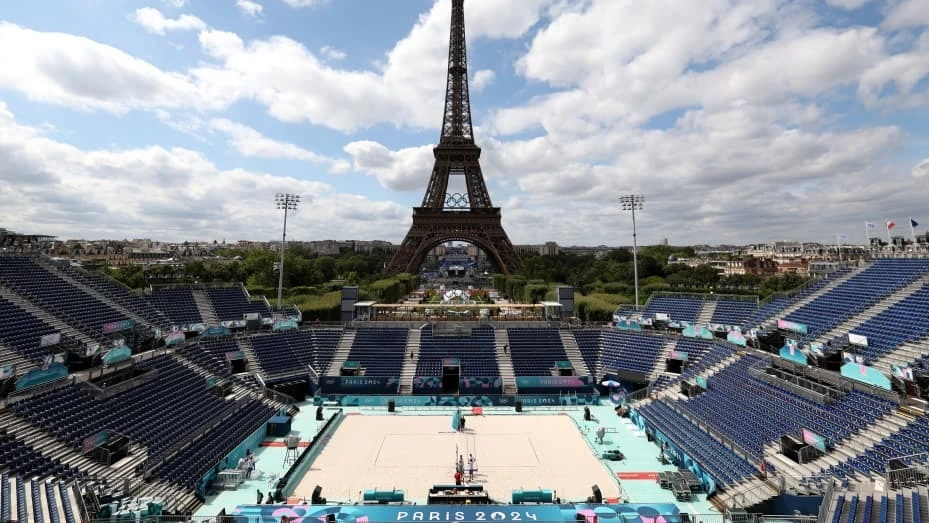
Context of the event
The Paris Olympic Games 2024 mark the first time that France has hosted the Summer Olympic Games. This global event attracts the attention of millions of spectators and visitors from around the world. However, on the eve of the opening ceremony, several SNCF TGV lines were sabotaged and set on fire, plunging the transport system into chaos and disrupting electricity supplies.
Details of sabotage of SNCF TGV lines
The French TGV network has four major main lines, three of which were seriously damaged, namely the Atlantic line, the North line and the East line. The perpetrators were discovered by railway workers while trying to sabotage the fourth line, leaving behind a vehicle containing tools, main clue of the investigation.
Atlantic Line
The damage is the most complex, with only a third of trains still in service.
Around fifty trains have been canceled and traffic is being gradually restored.
Diversion measures have been put in place on high-speed lines and traditional lines.
North Line
Some trains have been canceled, with a delay of about an hour.
Despite this, train service continues to operate, although with notable disturbances.

Eastern Line
All trains are in service, but the delays are approximately 1 time and 30 minutes.
Delays cause inconvenience to travelers, but the transport service is not completely interrupted.
The 26, several French railway unions have condemned the sabotage of TGV installations, seriously disrupting traffic : the CGT Cheminots, UNSA-Railway, SUD-Rail and CFDT Cheminots condemned this act of vandalism and provided their full support to the railway workers mobilized to restore rail traffic as quickly as possible..
An SNCF employee declared : “From now until the weekend, hundreds of people will work without interruption. » « Later today, we will have a clear vision of the extent of the damage. » Some cables were “cut, then set on fire, » and the wires inside these cables “need to be reconnected one by one, which is very careful work. »
Types of Cables Required
The normal operation of railway lines relies on several types of cables, including power supply cables, signaling cables, communication cables, control cables and data cables.
Electrical cables
High voltage cables : used to provide main power to trains and infrastructure. For example, Overhead lines and third rail systems require high voltage cables to ensure continuous power.
Low voltage cables : used for auxiliary systems inside trains and in stations, like lighting, heating and air conditioning.
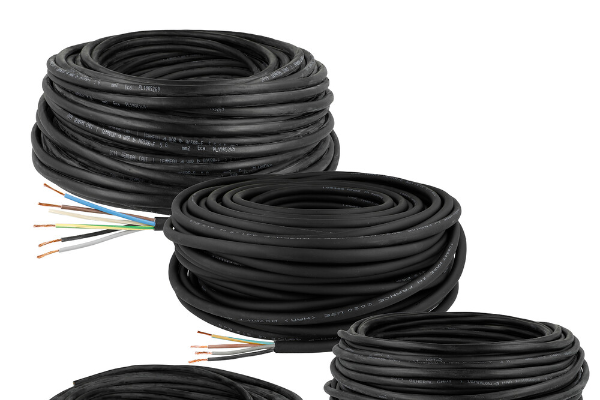
Signaling cables
Twisted cables : used to reduce electromagnetic interference and ensure stable signal transmission, often used in train control systems.
Coaxial cables : used to transmit high frequency signals and data, such as video surveillance and certain types of data signals.
Communication cables
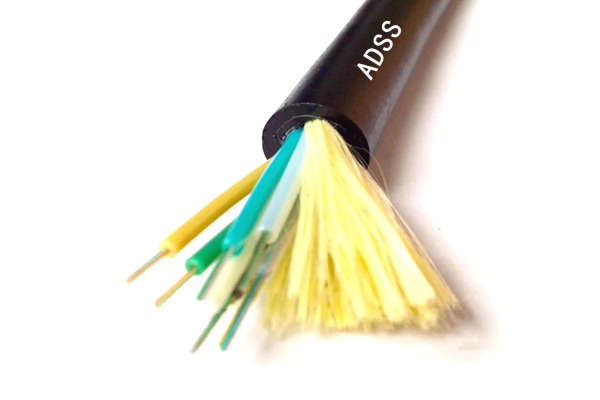
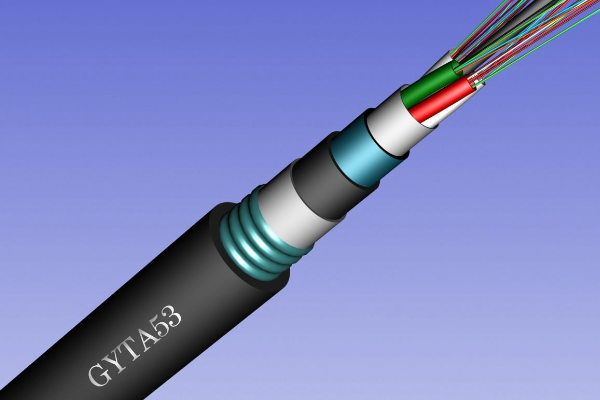
Fiber optic cables : used for high-speed data transmission, ensuring real-time communication between the control center and the trains. These cables are also used for passenger information systems and internet connection.
Copper cables : used for communications traditional voice and data. Although modern systems increasingly use optical fiber, copper cables remain used in some older systems.
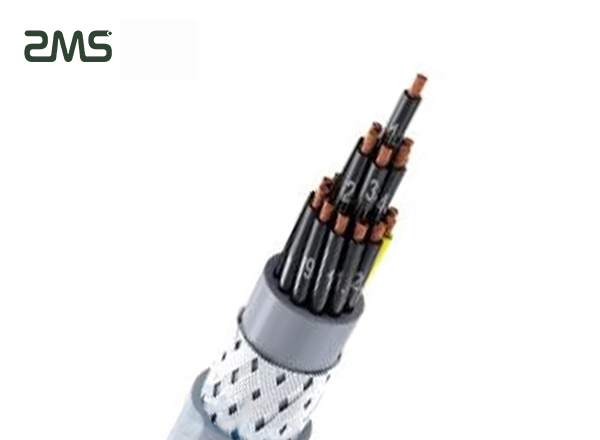
Control cables
Multi-conductor cables : containing several insulated wires, used to control various systems and components, as in train braking systems and door control systems.
Data cables
Ethernet cables : used for high-speed data transmission in modern train communication networks. These cables enable the exchange of data between trains and between trains and ground control centers.
Serial communication cables : used for data transmission over short distances between equipment, like the connection between sensors and controllers.
Specialty cables
Fire -resistant cables : capable of operating at high temperatures in an emergency to ensure the safety of critical systems.
Waterproof cables : used in tunnels and other areas susceptible to flooding, guaranteeing the proper functioning of cables in humid environments.
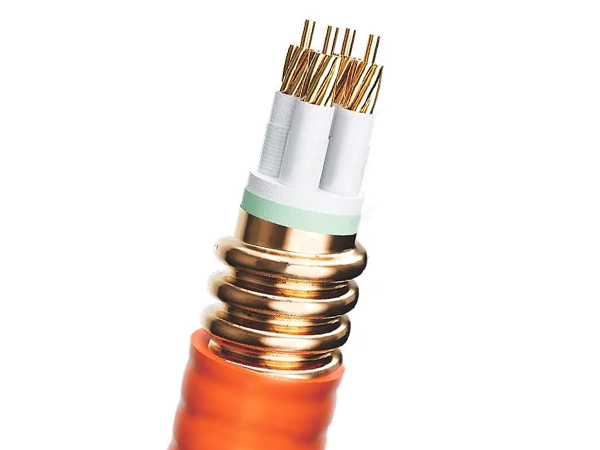
Advantages of cables produced by ZMS
Cables produced by ZMS proved particularly valuable in this incident. Their cable products have the following features :
High quality materials
ZMS cables are made from premium quality materials, guaranteeing great durability and reliability.
They use carefully selected copper and aluminum conductors to improve cable conductivity and longevity.
Advanced manufacturing processes
Using the most advanced production technologies, ZMS Cable ensures cable performance and safety in complex environments.
Precise manufacturing processes ensure cable uniformity and stability, reducing potential breakdowns during use.
Strict quality control
Each cable undergoes rigorous testing before leaving the factory, ensuring they meet international standards.
ZMS has a dedicated quality control department that performs multiple tests on products, including electrical performance tests, mechanics and environmental adaptation.
Diverse product range
ZMS offers a wide range of cables to meet different application needs.
The product range includes electrical cables, signaling cables, communication cables, control cables and data cables, widely used in railway sectors, of the building, energy and communications.
Custom Cable Service
In response to specific customer needs, we offer tailor-made cable solutions to meet various complex and specialized application scenarios.
ZMS has a strong research and development team, capable of designing and producing cable products meeting customers' specific technical requirements.
Impact and reactions
This sabotage incident directly affected approximately 800 000 travelers. Although the opening ceremony of the Olympic Games took place as planned, some athletes canceled their trips due to these unforeseen events. For example, German show jumping rider canceled trip due to train delays.
Social media has been flooded with discussions and reactions regarding this incident. Many travelers shared their difficulties and their expectations regarding the restoration of normal traffic.
Repair and restoration work
SNCF and electricity companies quickly took emergency measures for repairs. Repair teams diagnosed the damage on site and began repair work, which should last all weekend.
Jean-Pierre Farandou, president of the SNCF, said work to restore the rail network was underway and the majority of services should be restored before the weekend. Affected travelers will be reimbursed at 100 %.
Expert opinions
Experts stressed that this incident revealed the vulnerability of Paris' infrastructure, especially during major international events. Strengthen infrastructure security and improve capacity emergency response are essential priorities.
Conclusion
This act of sabotage will have lasting repercussions on Paris and the Olympic Games. It is imperative to improve the security and emergency response capacity of the city's infrastructure to be able to effectively deal with future incidents during major events.. Paris must learn lessons from this incident to prepare for future challenges.