
In interior renovation work, the design and installation of electrical circuits is very important. Water and electricity are part of the hidden works, therefore it is even more important to pay attention to specific construction techniques during renovation to ensure the quality of the work. For the installation of electrical circuits, we must pay attention to cable design. When installing cables, we often hear about three-phase electrical cable. SO, what is a three-phase cable ?
What is a Three-Phase Electric Cable ?
A three-phase electrical cable is a type of cable used to transmit electrical energy in power distribution systems.
It is characterized by three separate and insulated conductors, each providing a distinct phase of alternating electric current.
Three-phase electrical systems are commonly used in industrial and commercial applications, because they can transport large amounts of energy with high efficiency.
This makes them particularly useful for factories, commercial buildings and large residential buildings.
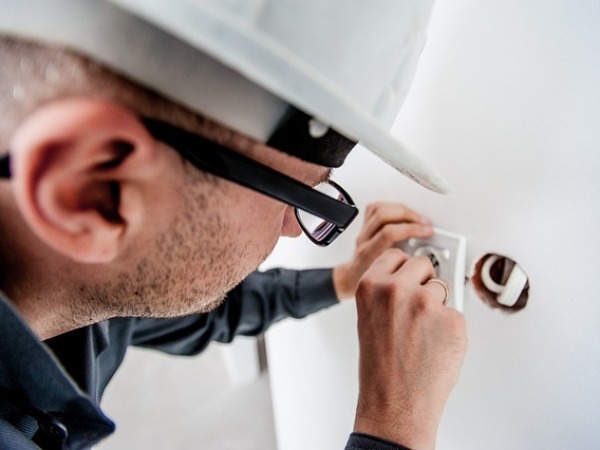
Three-phase cables are usually made from materials such as copper or aluminum, which are reliable and superior electrical conductors. They are also coated with an insulating jacket to prevent current leakage and short circuits.
The operation of a three-phase electrical system is based on the simultaneous transmission of three phases of alternating electrical current, each being shifted in phase 120 degrees compared to others.
This configuration makes it possible to maximize the use of energy transport capacity, which results in more efficient use of energy transmission capacity and reduced energy loss.
It is important to note that three-phase cables must be installed correctly to perform optimally.
Conductors must be properly identified and connected to the appropriate terminals to avoid wiring errors that can cause system failures and equipment damage.
What Are the Types of Three-Phase Electric Cables ?
Three-phase electrical cables are widely used to transport electrical energy in power distribution systems.
There are different types of three-phase cables, each having unique characteristics and applications. Here are some of the most commonly used types :
Copper cable : Three-phase copper electrical cables are most commonly used due to their high electrical conductivity, their durability and reliability. They are often used for large industrial or commercial applications.
Aluminum cable : Three-phase aluminum cables are often used for lower voltage power distribution applications, because they are lighter and more economical than copper cables.
Armored cable : Shielded three-phase electrical cables are used for applications requiring additional protection against electromagnetic interference. They include a shielding jacket around the conductors to minimize signal losses and disturbances.
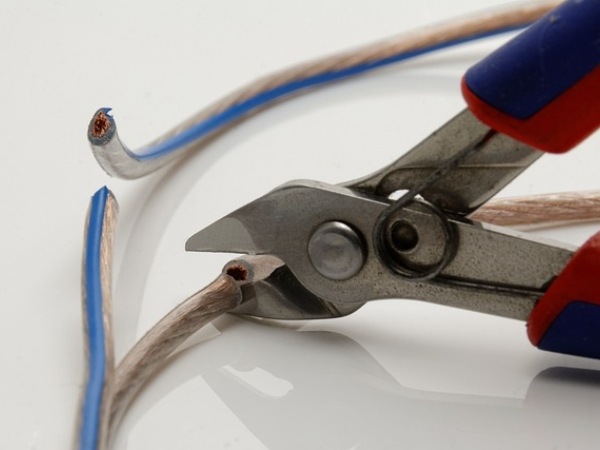
Multiconductor cable : Three-phase multi-conductor cables are used for applications requiring multiple conductors to carry electrical energy. They are often used for indoor power distribution systems or for short distance power transmission applications.
Flexible cable : Flexible three-phase cables are used for applications requiring additional movement and flexibility. They are often used for mobile industrial applications, such as forklifts, cranes and machine tools.
In conclusion, there are several types of three-phase electrical cables, each having unique characteristics and applications.
It is important to choose the type of cable best suited to the application to ensure safe and reliable operation of the electrical system.
What are the Steps for Installing Three-Phase Cables? ?
The installation of three-phase electrical cable is a technical process that requires knowledge and experience in electrical safety. It is usually carried out by professional electricians to supply electricity to industrial or commercial buildings.
Here are the steps to follow to correctly install a three-phase electrical cable.
Planning: Before starting the installation, it is important to carefully plan the cable configuration. This includes determining the amount of cable needed, connection material and installation location.
Preparation: Make sure all safety requirements are met before beginning installation. This includes turning off all electrical equipment and disconnecting all power sources.
Installing the brackets: Install the brackets to support the electrical cables. Brackets must be in place before installing cables to avoid damage during the installation process.
Cable installation: Install cables using proper techniques to ensure a secure connection. Also be sure to follow local electrical safety codes.
Connexion: Connect electrical cables to electrical equipment using the right tools and techniques. Make sure connections are secure and waterproof to avoid any danger of fire or electrocution.
Verification: Check that all connections are correct and secure before reconnecting the power supply. Also make sure that electrical equipment is working properly after installation.

Installing three-phase electrical cable is a delicate process that requires careful planning, adequate preparation and in-depth knowledge of electrical safety.
It is strongly recommended to hire a professional electrician to ensure safe and efficient work..
How Much Does a Three-Phase Electric Cable Cost? ?
The price of a three-phase electrical cable depends on several factors, such as the quality of the materials used, the length and section of the cable, as well as production costs and supplier profit margins.
Premium three-phase cables are usually made from high-quality materials, such as copper, which provide better electrical conductivity and greater durability.
What's more, longer cables will also cost more than shorter cables, because they require more materials to produce them.
In general, the price of a three-phase electrical cable can vary from a few euros to several tens of euros, according to product specifications.
It is therefore important to make price comparisons between different suppliers in order to find the best value for money..
It is also important to consider the additional costs associated with the installation and placement of the three-phase electrical cable, such as labor costs and tool and equipment costs.
In conclusion, the price of a three phase electrical cable depends on many factors and it is important to do thorough research to find the most affordable product while ensuring adequate quality for the necessary applications.
It is also wise to consult a professionall to evaluate the total costs associated with the installation of a three-phase electrical system.