
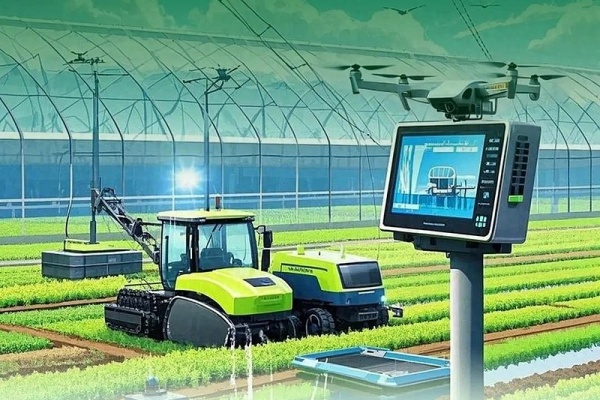
Agricultural cables are power cables, control and communication of different types, Specially designed for agricultural production environments. They constitute the cornerstone of modern agricultural production, guaranteeing effective operation, stable et intelligent.
Agricultural cables are widely used in fields, the greenhouses, farms and agricultural processing plants. They are not only used to power equipment, but also to ensure the transmission of data and the operation of systems. Agricultural cables constitute essential infrastructure for electrification, to agricultural automation and intelligence. They are essential to the development of modern agricultural infrastructure.
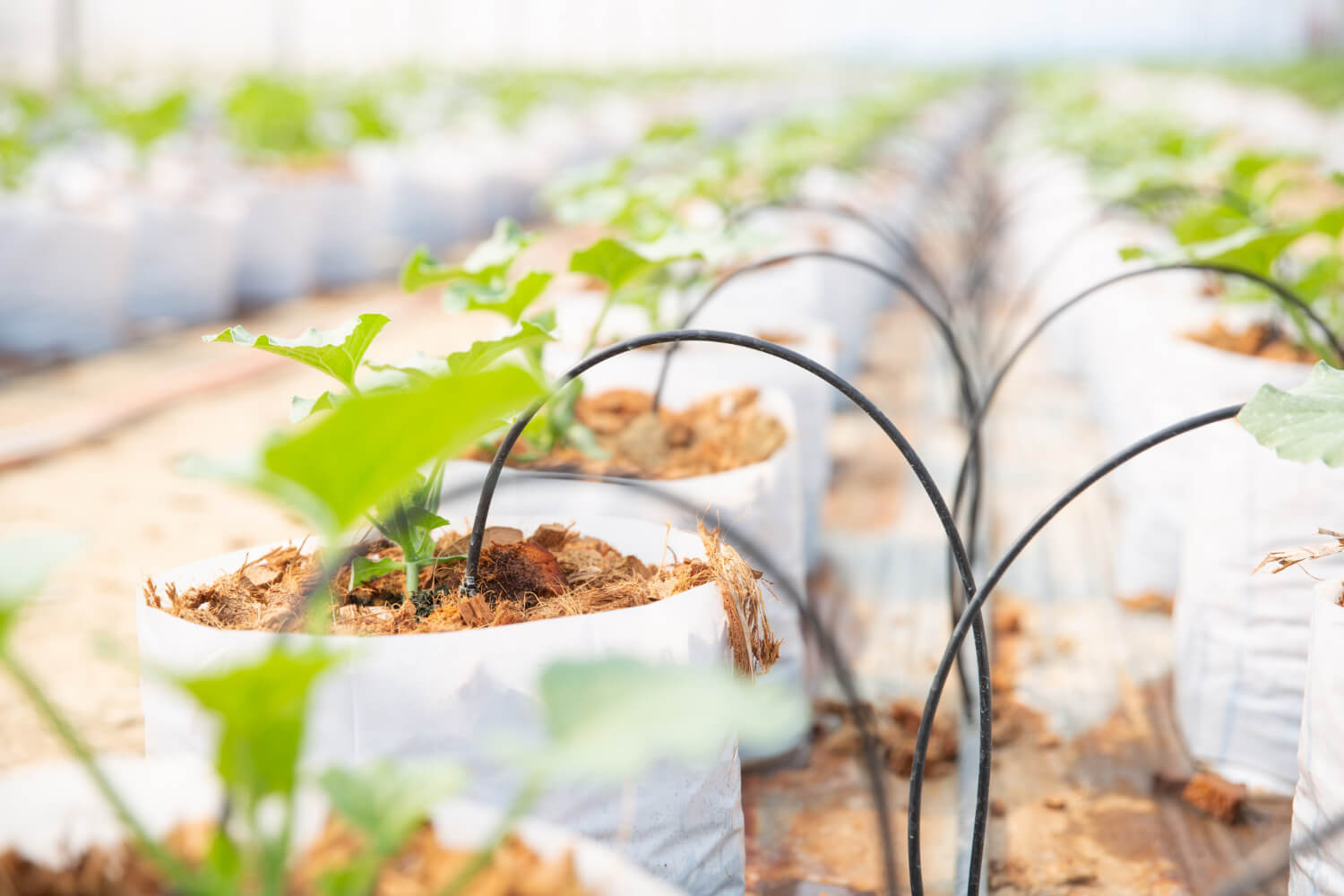
However, traditional industrial cables do not perform well in harsh agricultural environments. They are sensitive to humidity, to corrosion and pests, have a short lifespan and are easily damaged. What's more, their anti-interference capabilities are insufficient, which complicates the stable operation of equipment. These issues have led to constant upgrading of agricultural cables to improve their weather resistance and anti-interference performance to meet the needs of modern agriculture.
This article presents in detail the types, the characteristics, application scenarios and selection criteria of common agricultural cables to help you choose the most suitable power and signal transmission solutions for modern agricultural operations.
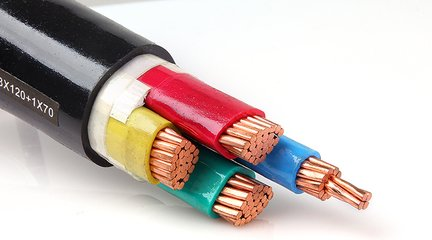
Buried cables for agricultural use
Buried cables for agriculture are specially designed for low voltage distribution networks in rural areas. Their main advantage is that they can be placed directly in the ground., without requiring additional protective conduits. In general, these cables are buried under fields or farms to ensure a stable power supply to water pumps, lighting or irrigation systems. Thanks to simple and economical installation, they constitute an ideal solution for field irrigation, the operation of pumps or lighting on farms.
The most common models are the YJV (copper core cable with cross-linked polyethylene insulation) and the YJLV (aluminum core version). Aluminum core cables are lighter and less expensive, making them suitable for budget-constrained agricultural projects.
In wet or corrosive soils, we recommend models with steel band armor, like YJV22 or VV22, for better mechanical protection. Moreover, in termite-prone areas, there are cables with specific anti-termite sheaths ; for very cold areas (temperatures below -15 °C), We will favor cables with cold-resistant sheath to guarantee safe operation even at low temperatures..
To preserve their lifespan, these cables must generally be buried to a depth of at least 0,8 meter. In permafrost areas, it is recommended to lay them under the layer of frozen soil.
In summary, thanks to their easy installation, their great resistance to bad weather and their excellent quality-price ratio, agricultural buried cables have become an indispensable part of modern agricultural electrical systems.
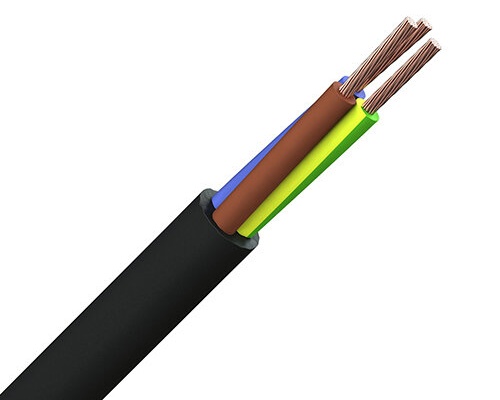
Flexible rubber cables (for mobile equipment)
In agricultural production, many pieces of equipment are not permanently installed, such as irrigation and drainage pumps, the seeders, harvesters or mobile lighting devices. This equipment often needs to be moved during use, and flexible rubber cables are specially designed to meet these flexible power supply needs
The main characteristic of rubber cables is their high flexibility and resistance to bending. Their outer sheath is robust and resistant to wear, which allows them to withstand repeated traction, moderate pressure and mechanical shock. Depending on the load and conditions of use, we generally distinguish two categories : medium type rubber cables and heavy type rubber cables.
Medium Type Rubber Cables
Common models are the H05RR-F or le H05RN-F. They are suitable for low power equipment such as micro pumps, irrigation programmers or mobile lamps. These cables generally have 2 has 5 drivers, with a section of 0,75 has 2,5 mm². Lightweight and easy to deploy, they are perfectly suited to family farms or small installations.
Heavy type rubber cables
Among them, we find the H07RN-F, NSSHÖU or YC type flexible cables. These cables are designed to power large agricultural equipment, like deep well pumps, electric harvesters or tillers. Their insulation and sheath are thicker, their tensile strength is reinforced, which allows them to withstand higher currents and prolonged outdoor use.
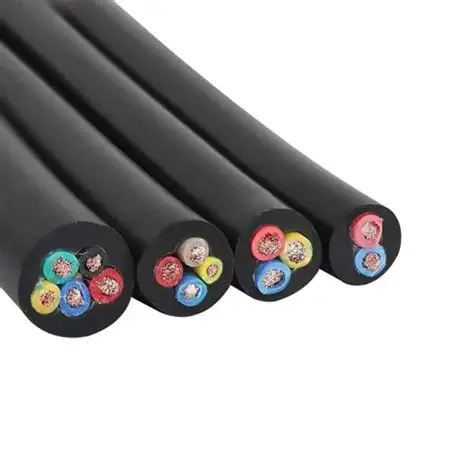
Waterproof rubber sheathed cable
For equipment in prolonged contact with water, such as submersible pumps and wetland irrigation systems, you can also opt for a waterproof rubber-sheathed cable. This type of cable offers excellent sealing and good corrosion resistance, and allows stable operation underwater for long periods.
In general, General purpose rubber sheathed cables are indispensable in modern agriculture. They not only increase the flexibility of use of equipment, but also reduce the risk of power outages due to damaged cables. Choosing the right model is not only a question of efficiency, but also energy security.
Control and signal cables
With the growing development of smart agriculture, more and more farms are integrating automated systems such as automatic irrigation, environmental control or thermal regulation of greenhouses. In these facilities, in addition to the power supply, many cables are required to transmit control signals : This is where control and signal cables come into play.
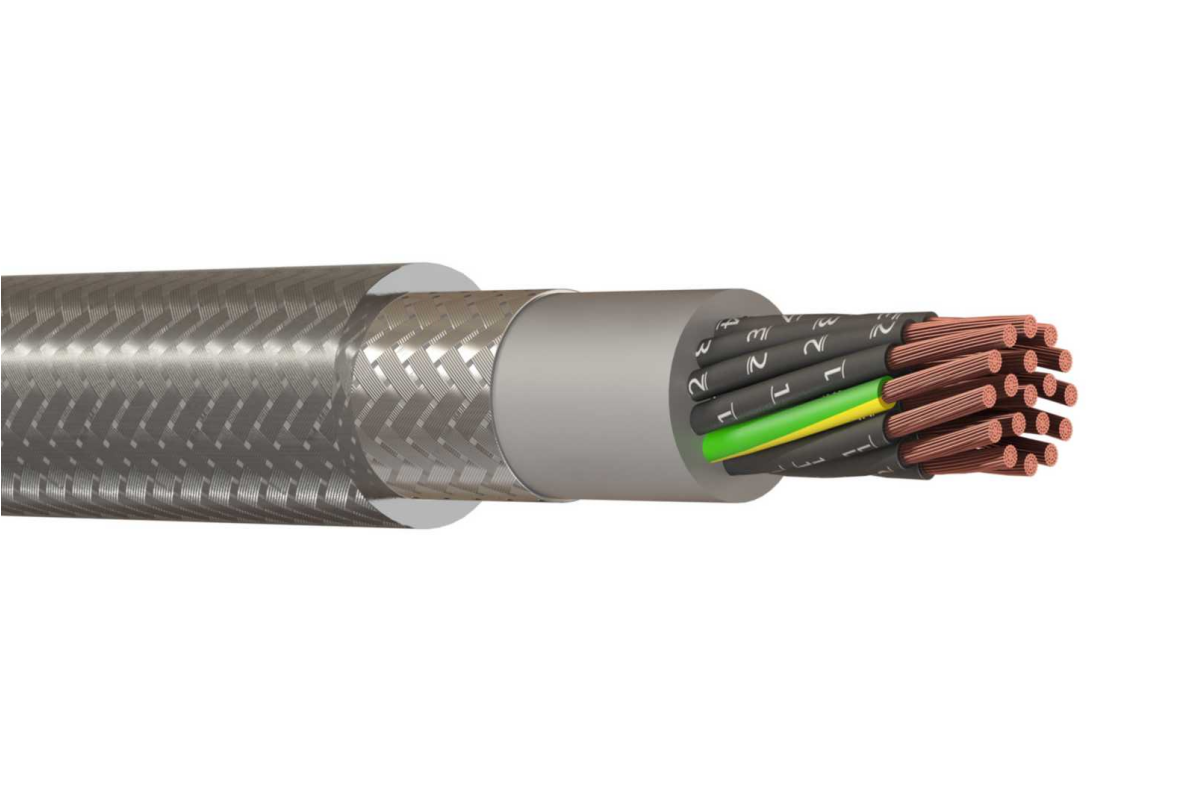
Control cables : ensure the stable connection of automated equipment
Control cables are used to connect different actuators, sensors, switches and electrical cabinets. Thanks to them, it is possible to control the equipment remotely and ensure its automatic operation. Among the common models, we find the control cable YY (PVC sheath and insulation, unshielded). These cables have a simple structure and are suitable for the majority of control circuits.
In environments subject to strong electromagnetic interference, it is recommended to use models with shielding. For example, for control systems with variable frequency drives or in areas with many signal lines, we often favor cables of SY or CY control. SY cables are shielded by a galvanized steel wire braid, while the CY cables are shielded by a copper wire braid. This type of cable can effectively block external interference and ensure stable and reliable signal transmission.
Signal cables : ensure the accuracy of data transmission
In the agricultural sector, an increasing number of sensors rely on high-quality data transmission. This is the case, For example, soil moisture sensors, temperature sensors or sunlight measuring devices. Signal cables used for these applications generally have a large number of conductors with small cross-sections. Their design emphasizes signal clarity and resistance to interference.
Some models are equipped with both general armor and individual armor. This is the case, For example, LIYCY cables (general copper braid shielding) you LIYY (unshielded). These cables are ideal for complex control networks or long distance transmissions, guaranteeing the stability of the entire agricultural control system.
High temperature resistant control cable: adapted to specific environments
For high temperature environments such as greenhouse heating systems and agricultural product drying equipment, you can also opt for high temperature resistant silicone rubber insulated cables (For example, silicone rubber cable, resistant to temperatures of 180 at 200°C), or H05S-U/H05S-K cables and other high temperature resistant models. This type of cable can withstand continuous high temperatures while maintaining excellent flexibility and optimal electrical performance.
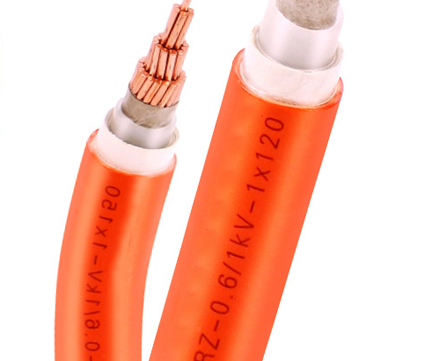
Other agricultural cables
With the diversification of agricultural production scenarios, certain specific applications require cables offering protective performance, higher fire resistance and remote communication capabilities. To deal with this situation, more targeted cables should be selected to ensure equipment operation and crop safety.
Rubber sheathed cable for mining
This type of cable is mainly used for underground irrigation and other harsh environments. When it is necessary to bury it or there is a risk of mechanical wear, we generally choose rubber-sheathed cables offering high mechanical resistance and good flexibility. For example, the H07RN-F cable (heavy rubber sheathed cable) is commonly used for water extraction from deep wells and underground irrigation systems. It offers good resistance to wear and humidity and adapts to complex terrain.
Flame Retardant/Fire Resistant Cables
Enclosed spaces such as attics, Animal feed factories and agricultural product processing workshops can cause significant losses in the event of a fire. Therefore, flame retardant or fire resistant cables are the first choice for these places. NH-YJV cables (flame retardant copper core cross-linked polyethylene insulated power cables) can be selected. There are also IEC certified cables 60502-1 or B.S. 6387 CWZ. These cables ensure power supply even at high flame temperatures, thus minimizing the risk of fire.
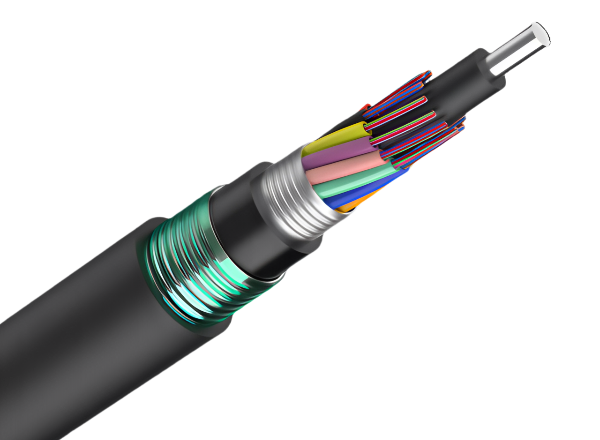
Fiber Optic Cable
In modern agriculture, remote monitoring, smart irrigation and data transmission cannot be separated from a stable fiber optic network. In agricultural production environments, optical cables offering good pressure resistance, to humidity and corrosion are necessary. THE armored optical cables GYTA53 and GYTY53, usable outdoors or underground, are particularly suited to this scenario. They are often used for long-distance data transmission and video monitoring in large farms and smart greenhouses.
Choosing the right agricultural cable is essential for building modern agricultural infrastructure, effective, safe and smart. I hope this article will provide you with valuable information for choosing your agricultural cables. Learn more about our specific product specifications, international certification standards or professional selection suggestions, do not hesitate to contact us. ZMS CABLE, specialized in the production of wires and cables for more than 30 ans, offers you complete solutions.