
With the rise of renewable energies and the energy transition, the role of solar cables (or photovoltaic cables) in solar energy systems becomes fundamental. But how are they different from ordinary electrical cables, and why are they essential for photovoltaic installations ? This detailed article explores the specificities of solar cables and their advantages over standard cables.
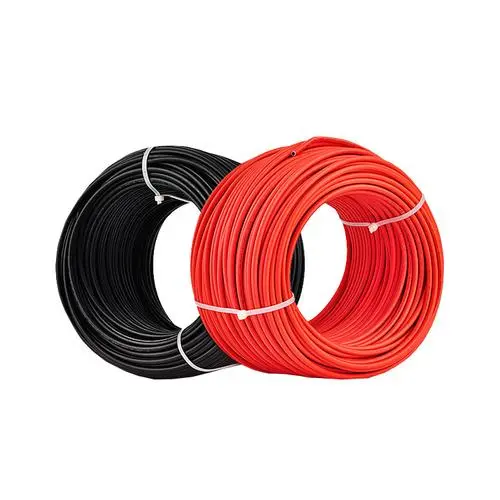
What is solar cable ?
Solar cables are designed to be reliable and efficient in demanding outdoor environments. Unlike conventional electrical cables, they must transport the electricity produced by the solar panels while resisting external factors such as high temperatures, UV rays and even corrosion. This is why solar cables use strong and durable materials, ensuring stable performance over the long term.
Key Differences Between Solar Cables and Ordinary Cables
The differences between solar cables and ordinary cables are notable, especially in aspects such as sustainability, security, and environmental compatibility.
Weather resistance and increased durability
Solar cables are specifically designed for outdoor conditions. They are resistant to UV rays, humidity, and extreme temperatures, using materials like reticulated polyethylene (XLPE). These cables are therefore designed to last for decades, even under constant exposure to the elements. On the other hand, ordinary electrical cables, often used for interior installations, do not have this protection against difficult climatic conditions, making them less suitable for outdoor installations.
High temperature tolerance
Due to their use under often high temperatures, solar cables are designed to withstand a wider temperature range, ranging from -40°C to +90°C, and sometimes up to +120°C. This capacity is crucial for photovoltaic installations, where solar panels generate intense heat by capturing energy from the sun all day long. Conversely, Ordinary cables, generally cannot tolerate these extreme temperatures, are likely to deteriorate quickly if exposed outdoors.
Compliance with environmental standards
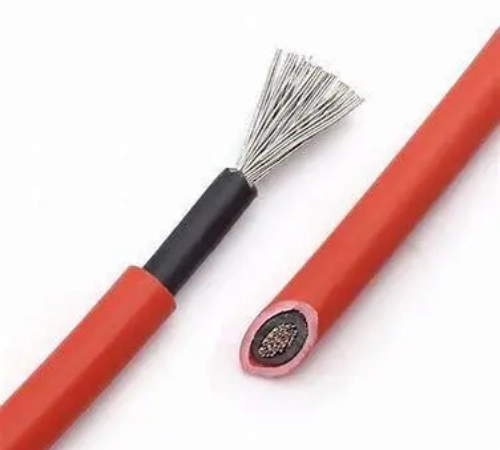
Solar cables meet strict ecological standards, which makes them particularly suitable for photovoltaic installations, often located in residential or rural areas. They are often halogen-free and low-smoke (LSZH – Low Smoke Zero Halogen), which reduces risks to health and the environment in the event of fire. Ordinary cables, on the other hand, can release toxic gases under certain conditions, which limits their use in contexts where high security standards are required.
Reinforced insulation and resistance to tension
Solar cables are specifically designed to withstand the high voltages generated by solar systems. They have thick, reinforced insulation to reduce the risk of current leakage, thus ensuring stable and secure electrical transmission. This ability to handle high voltages is essential for large-scale photovoltaic installations. Ordinary cables, with thinner insulation, are less resistant and may present risks if used for high voltage systems.
Mechanical resistance and extended lifespan
Finally, solar cables are designed to withstand mechanical forces, like those caused by the wind, rain or tension during installation. Their mechanical resistance is higher than that of conventional cables, which makes them particularly durable for outdoor solar installations.
The advantages of solar cables in photovoltaic installations
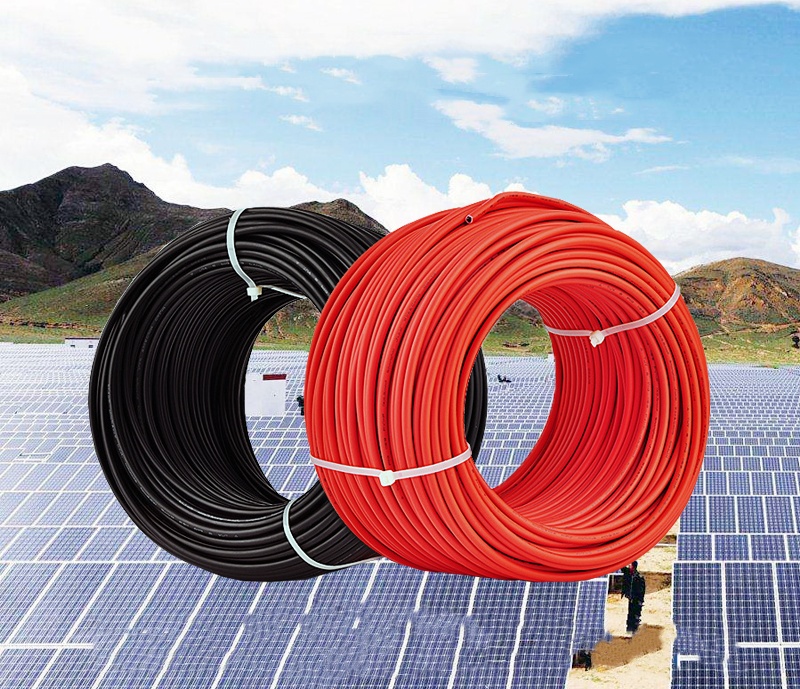
Using quality solar cables has several key safety benefits, the sustainability and profitability of solar installations :
Increased security : Thanks to their flame-retardant and environmentally friendly materials, solar cables reduce the risk of fire and minimize toxic gas emissions in the event of a disaster.
Durability and low maintenance : Solar cables require little maintenance thanks to their robust design, which reduces costs in the long term.
Energy efficiency : High-performance insulation guarantees stable transmission of electricity and minimizes energy losses, thus improving the efficiency of the installation.
Compliance with international standards : Most solar cables are certified by international standards such as TUV or IEC, which guarantees optimal safety and consistent quality.
Select solar cables adapted to your needs
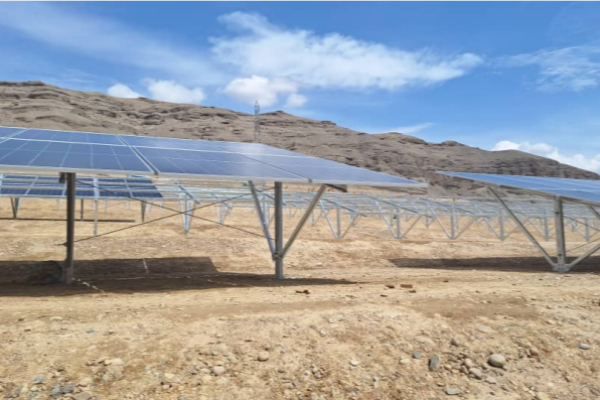
In a solar installation, the choice of cables suitable and certified for photovoltaic use is essential. Cable selection depends on several factors : the size of the installation, the type of climate, the distance between panels and connection points, and the specificities of electrical equipment. Using unsuitable cables can not only affect the performance of the installation but also lead to high costs in the event of maintenance or repair..
As an expert in the field, ZMS Cable recommends high quality solar cables to ensure extended lifespan and optimal safety in all types of environments. Our range of solar cables is designed to meet the strictest technical requirements and environmental standards, thus ensuring the reliability and performance of your installation.
At ZMS Cable, we are committed to providing premium quality solar cables. Our cables are manufactured to withstand extreme weather conditions and guarantee stable and secure electrical transmission, while meeting the ecological requirements of modern installations. With ZMS cables, you ensure your photovoltaic installation optimal performance and peace of mind for years to come.
This approach not only guarantees the safety and durability of the photovoltaic installation, but it also ensures maximum profitability. By trusting quality solar cables like those offered by ZMS Cable, you are investing in a safer and more efficient energy future.