
Introduction
In an ever more connected world, the performance and reliability of communications networks are essential. At the heart of this revolution, The LC connector, thanks to its compact design and high performance, has imposed itself as an essential solution for fiber optics infrastructure. This article explores in detail the characteristics, benefits, Applications and innovations around the LC connector. Why is it so popular and how can it meet your connectivity needs ? Read the rest to know everything.
1. What is an LC connector ?
1.1. Definition and design
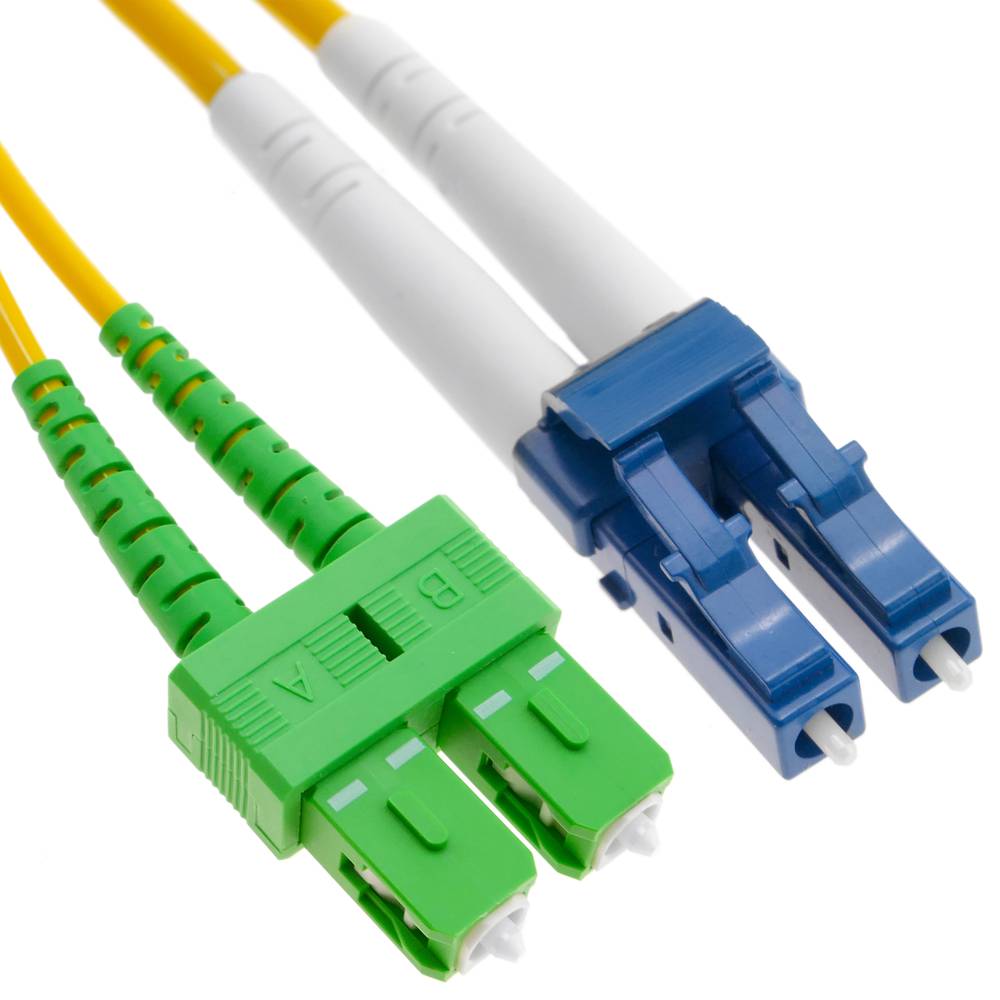
The LC connector (Lucent Connector) is a type of fiber optic connector designed to provide a small footprint while maintaining high performance. Developed by Lucent Technologies, this connector is recognized for its compact design and optimal use in tight spaces.
1.2. Technical specifications
Small form factor : Ideal for high density installations.
Ceramic ferrule : Ensures optimal alignment accuracy.
Options simplex et duplex : Flexibility for different network types.
1.3. Areas of application
LC connector is used in a variety of fields, thanks to its compact size, its high performance and flexibility. Here are the main areas of application :
Data centers (Data Centers)
Data centers require high connection density in tight spaces. The LC connector, with its compact design, helps maximize utilization of racks and patch panels while ensuring fast, reliable transmission.
FTTH networks (Fiber To The Home)
As part of the deployment of fiber optic networks to the home, LC connector is commonly used for its high-speed transmission capabilities, enabling fast and stable internet connectivity for homes.
Local networks (LAN) and metropolitan (MAN)
The LC is suitable for local and metropolitan networks, providing reliable connectivity for businesses, university campuses and urban infrastructure.
Telecommunications
In telecommunications infrastructures, LC connector plays a vital role in connecting high-speed equipment and fiber optic circuits.
Military and aerospace applications
Thanks to its precision and reliability, LC connector is used in demanding military and aerospace environments, where high performance and resistance to harsh conditions are essential.
Industrial networks
In industrial environments, where vibrations and extreme conditions are common, Ruggedized versions of LC connectors are used to ensure reliable connectivity.
Medical applications
Modern medical equipment requires fast and stable connections, making the LC connector ideal for connecting imaging devices and other digital devices.
Internet of Things (IoT) and 5G
With the rise of IoT and 5G networks, LC connector is crucial to supporting the growing demand for fast and stable connectivity in next-generation connected devices and networks.
In summary, the LC connector is a versatile solution that fits into a multitude of sectors thanks to its high performance and compatibility with modern technologies.
2. Advantages of LC connector
The LC connector is very popular in fiber optic networks thanks to its many advantages.
1. Compact and space-saving design
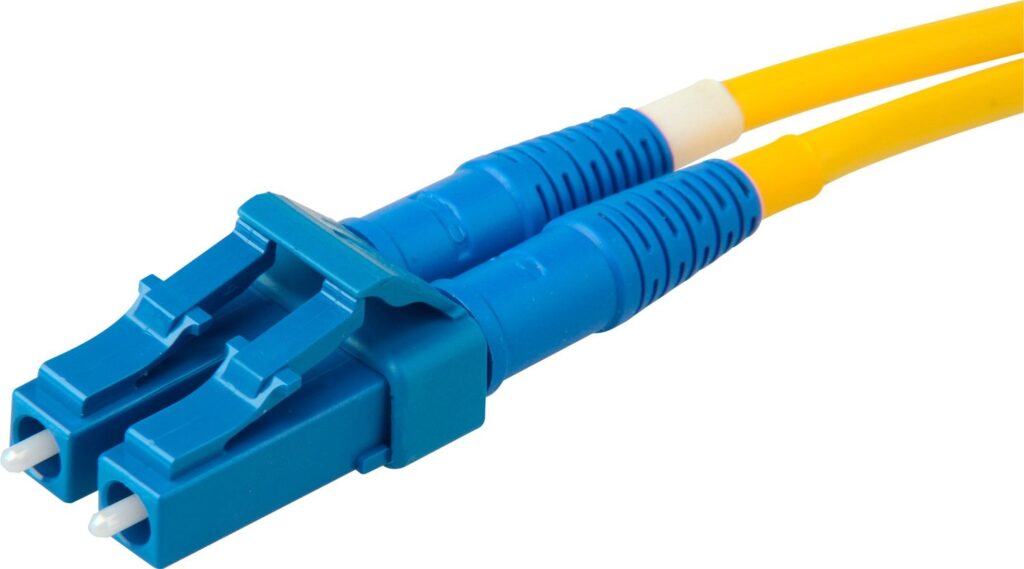
LC connector is smaller than traditional connectors, which allows for greater port density in equipment, thus reducing clutter and optimizing space, especially in data centers and FTTH networks.
2. Excellent optical performance
With low insertion loss and reduced reflections, LC connector ensures stable and high-quality transmission of signals. It is compatible with single-mode and multi-mode fibers, which makes it suitable for various applications.
3. Versatility and compatibility
The LC is available in simplex configurations (a fiber) and double (two fibers), and it is compatible with many network equipment, which makes it suitable for various environments, such as telecommunications and data centers.
4. Robustness and sustainability
Made from durable materials, the LC connector is built to last and can withstand harsh environmental conditions. Its ceramic ferrule guarantees precise alignment and long life.
5. Ease of installation and maintenance
Its reliable locking mechanism and compatibility with standard tools facilitate installation and maintenance, while ensuring simplified cable management.
6. Cost reduction
Thanks to its compact design, its durability and reliable performance, LC connector helps reduce long-term infrastructure and maintenance costs.
3. Comparison with other optical connectors
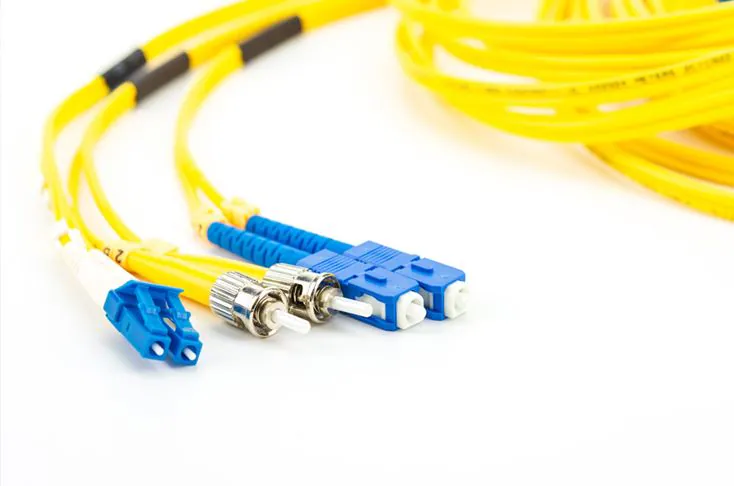
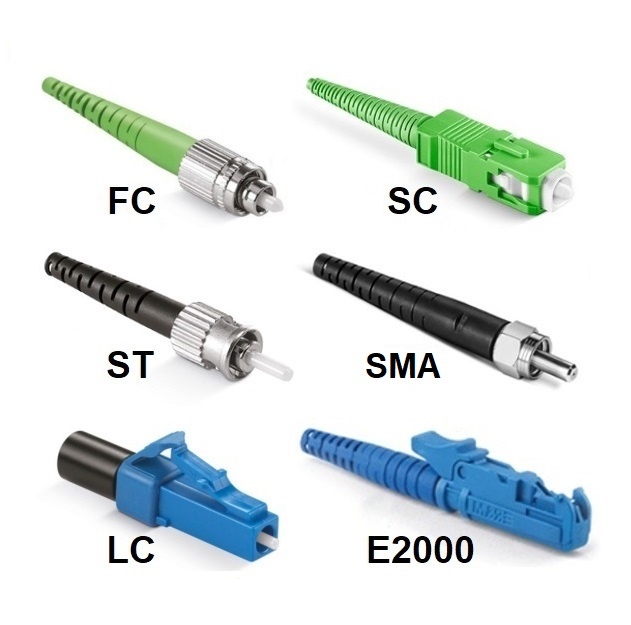
3.1. LC vs SC connector
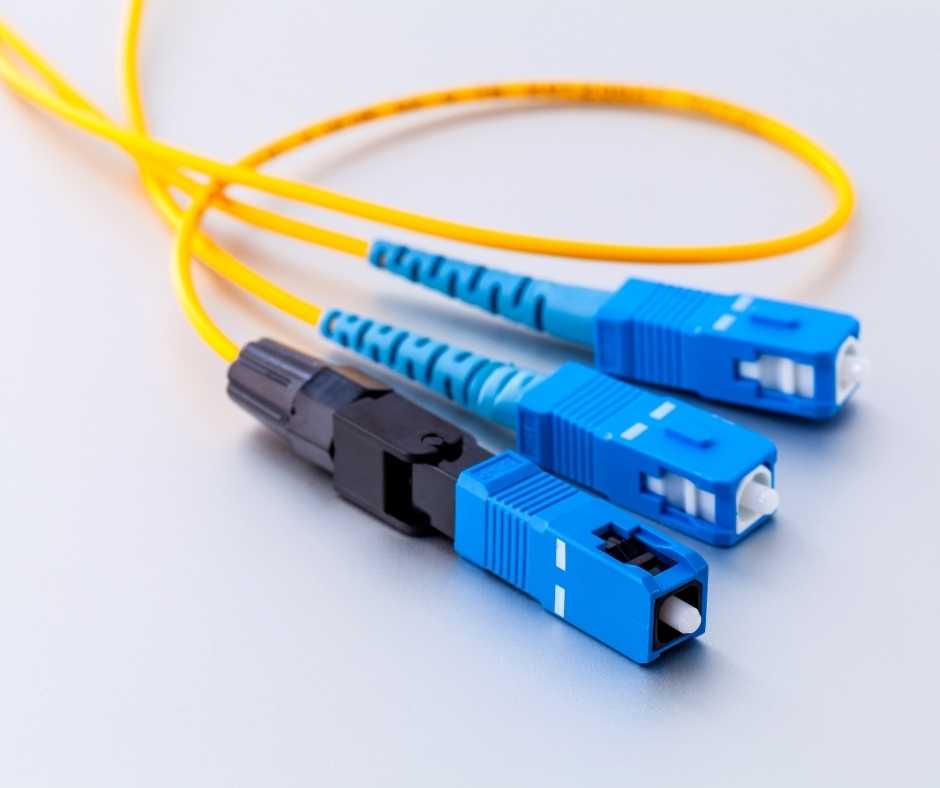
Size and density : SC connector is bigger, which limits its use in high density installations. On the other hand, the LC connector is smaller, ideal for modern environments requiring more connections in less space.
Ease of use : The SC uses a simple push-pull system, but its larger format may be less practical in tight spaces. The L.C., with its small design, is more suitable for compact installations.
Applications : SC is often used in installations with lower density requirements, while LC is preferred in high speed and high density networks, like in data centers.
3.2. LC vs ST connector
Conception : The ST connector uses a bayonet mechanism, more robust, but less practical than the LC clip for frequent installations. It is common in industrial networks, while LC is more suitable for high-speed networks.
Optical performance : The LC offers better transmission performance thanks to its optimized design, ideal for high-speed networks, unlike the ST.
Applications : The ST is used in industrial environments, while LC is the preferred choice for modern high-density, high-bandwidth networks.
3.3. Why LC has become a modern standard
The LC connector has become a standard due to several advantages :
Compact size : It allows you to connect more ports in a smaller space, what is essential in modern installations.
Haute performance : The LC guarantees stable transmission and clear signals thanks to its precision ferrule.
Adapted to modern networks : It meets the needs of high-speed networks, such as those used in data centers and FTTH applications.
Compatibility : LC is widely used by manufacturers, which ensures high compatibility with various equipment.
4. Installation et maintenance
4.1. Installation procedure
Installing the LC connector is simple, but it requires a certain precision. Here are the key steps :
Preparing the optical fiber : Start by cutting the optical fiber to the appropriate length. Ensuite, carefully strip the fiber cladding to expose the core.
Insertion into LC connector : Insert the fiber into the LC connector, ensuring the fiber is correctly aligned in the ferrule to ensure optimal transmission.
Fiber fixation : Use an adhesive or resin to fix the fiber into the connector and make sure it is stable.
Verification : Check the correct insertion of the fiber into the LC connector and ensure it is properly locked and secure.
It is essential to follow good installation practices to avoid poor connections and signal loss. LC connectors can be installed in specific patch panels or modules.
4.2. Maintenance and cleaning
To ensure optimal performance of the LC connector, regular maintenance is necessary. Here are the key steps for maintenance and cleaning :
Visual inspection : Check the condition of the LC connector regularly for wear or damage. If the connector is dirty or damaged, it needs to be replaced or cleaned.
Cleaning ferrules : Use lint-free wipes or specific cleaning solutions to clean ferrules. It is crucial not to use abrasive products, as this could damage the surface and compromise performance.
Checking Connections : Make sure the connector is fully inserted and locked. Connections must be perfectly aligned to avoid signal loss.
Regular tests : Use an optical tester to measure the quality of the connection and ensure there are no significant signal losses.
5. LC Connector Challenges
Despite its many advantages, the LC connector presents some challenges :
Delicate installation : Although installation is generally simple, it requires special care, especially when inserting the fiber into the ferrule. Improper installation can lead to signal loss and disconnections.
Sensitivity to dirt : Ceramic ferrules are susceptible to dust and dirt. An improperly cleaned LC connector can reduce network performance, or even damage it.
Compatibility : Although LC is widely used, it may not be compatible with all equipment, especially older systems using other types of connectors.
Cost of tools : For optimal installation and maintenance, specialized tools (such as fiber optic terminals and optical loss testers) are necessary, which can increase installation and maintenance costs.
6. Innovations and future trends
The optical connector market is evolving rapidly, and several innovations are expected in the years to come :
Next generation LC connectors : Improvements are underway to make LC connectors even more compact, while providing better performance, especially for 5G networks and high bandwidth applications.
Installation automation : Automated tools and machines for installing and connecting LC fibers are expected to reduce human errors and speed up the installation process.
Ecological connectors : The current trend is to develop more environmentally friendly LC connectors, made with sustainable and recyclable materials.
Integration with next generation network technologies : With the evolution of networks (like 5G and 6G), the LC connector should be even more integrated into intelligent infrastructure systems, enabling better bandwidth management and increased performance.
9. Tips for Choosing the Right LC Connector
9.1. Criteria to consider
To choose the right LC connector, several elements must be taken into account :
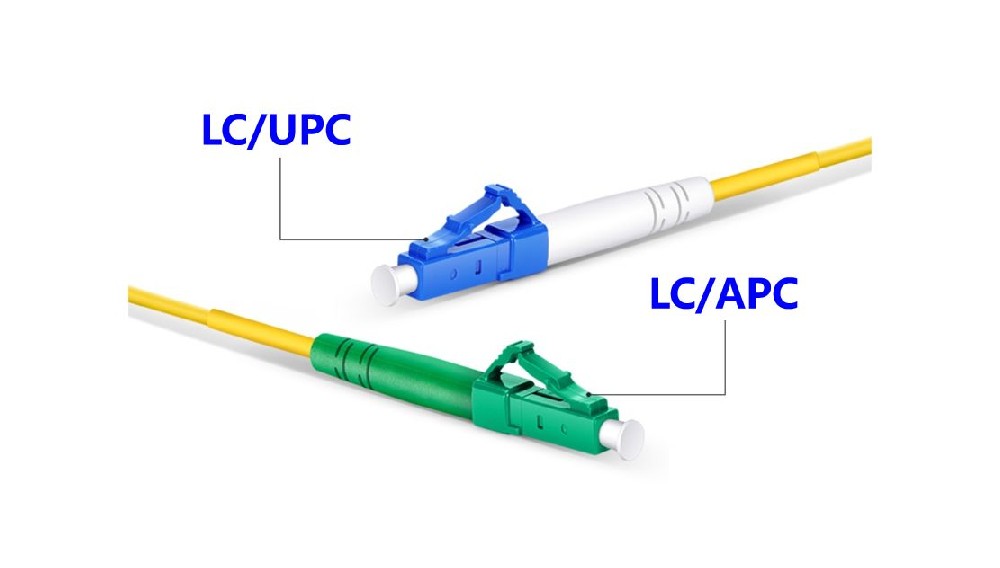
1. Fiber type : Check that the connector is compatible with your fiber (single-mode or multi-mode).
2. Ferrule quality : The ferrule must be of good quality, ideally ceramic, for better performance.
3. Density capacity : If you have little space, choose high density LC connector.
4. Ease of installation : Opt for connectors that are easy to install, especially in high density environments.
5. Reliability : Make sure the connector is durable and resistant to the conditions of your environment.
9.2. Avoid common mistakes
Here are some mistakes to avoid :
1. Check compatibility : Make sure the connector is compatible with your network equipment.
2. Don't neglect quality : A poor quality connector can lead to signal loss and poor connection.
3. Interview : Do not neglect the maintenance of LC connectors to avoid degradation of the connection.
4. Consider the environment : Consider the conditions of your installation (dust, temperature, etc.).
10. Frequently asked questions (FAQ)
What are the main advantages of LC ?
The main advantages of the LC connector are its compactness, its high transmission performance, its ease of installation, and its ability to manage high-density installations. It is ideal for modern networks requiring high bandwidth.
Is it suitable for industrial environments ?
Although the LC connector is mainly used in high density environments like data centers, it can also be used in industrial environments, provided that you use models specially designed to withstand extreme conditions (temperature, dust, etc.). However, for rougher environments, some other types of connectors, like the ST, may be more suitable.
11. Outlook for LC connectors in the coming years
LC connectors will continue to play a key role in the evolution of optical networks, particularly due to the following trends :
High Capacity Networks : With increasing bandwidth requirements, LC connectors will need to be able to handle ever higher flow rates, particularly with the adoption of 5G and 6G technologies.
Performance Improvements : Innovations are expected to further reduce insertion losses and improve connection stability, making the LC connector even more efficient.
Adaptation to smart infrastructure : Smart networks, that combine automation and real-time data management, will impact the design of LC connectors, which will have to be more flexible and compatible with these advanced technologies.
In short, LC connectors are expected to continue to evolve to meet the growing demands of modern networks, while offering a compact and reliable solution.
Conclusion
The LC connector is a key solution for modern optical networks, thanks to its compactness, its exceptional performance and ability to meet high density needs. When choosing and installing LC connectors, it is essential to take into account quality criteria, compatibility and maintenance. As broadband networks continue to expand, the LC connector is well positioned to remain an essential solution in the communication infrastructures of tomorrow.