
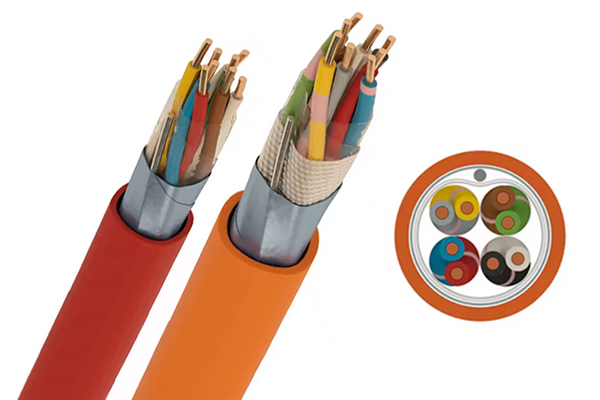
IEC standards for electrical cables
THE IEC standards are established by the International Electrotechnical Commission. They define global standards for design, manufacturing, the materials, performance testing and safety requirements of electrical cables.
These cables comply with IEC standards and are widely used in Europe, in Asia and Africa. They provide a reliable reference for international projects and cross-border trade.
Compared to other standards such as British BS, the French NF or the European EN, IEC cables provide superior international compatibility and recognition. So, and IEC compliant cable is more easily accepted in international projects, reducing problems related to differences in standards (differences between IEC and BS/EN/NF standards).
ZMS Cable, as a manufacturer of IEC compliant cables, offers a complete range of electrical cables according to IEC standards. We are committed to providing industry professionals with tailor -made solutions adapted to their specific needs. Our engineers provide you with a wide variety of constantly evolving cable products., all rigorously tested and evaluated in a certified laboratory. Our experts recommend to choose IEC cables according to the type of application, voltage and installation conditions, to ensure optimal performance and a long lifespan, while strictly respecting international IEC standards.
IEC cables available from ZMS CABLE
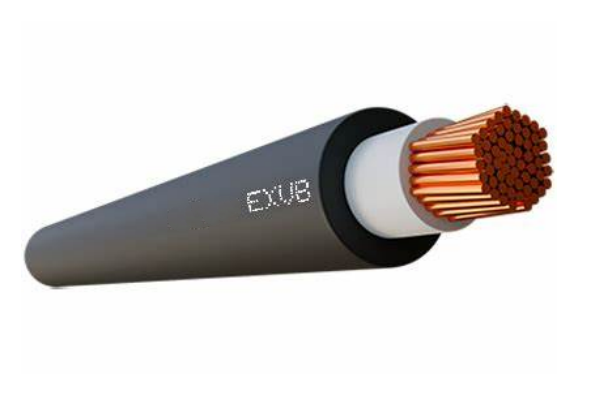
IEC 60228 – Standard on drivers
The NORME IEC 60228 defines the characteristics of conductors used in electrical power cables. It specifies the materials (mainly copper and aluminum), the structure, the nominal section as well as the continuous electrical resistance of the conductors. This standard constitutes the design basis for all low-voltage electrical cables, medium and high voltage IEC compliant 60228. On the other hand, it does not apply to telecommunications or data transmission cables, which fall under other specific standards.
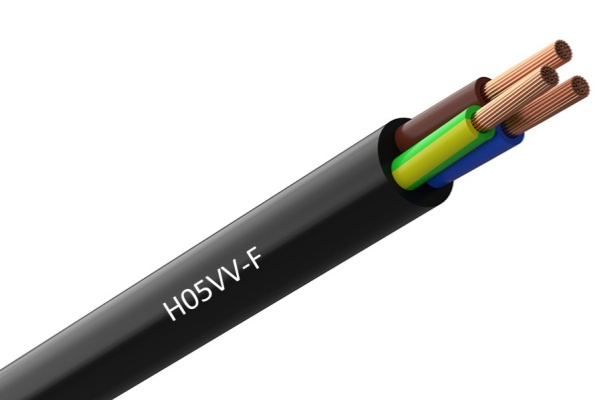
IEC 60502 – Low and medium voltage cables (0,6/1 kV to 30 kV)
The NORME IEC 60502 applies to low and medium voltage electrical cables. It specifies the design criteria, testing methods and expected performance of cables ranging from 0,6/1 kV up to 30 kV. Cables conforming to IEC 60502 are widely used for electrical distribution in buildings, industrial installations and power networks. This standard is essential to ensure the reliability and safety of cables in varied environments.
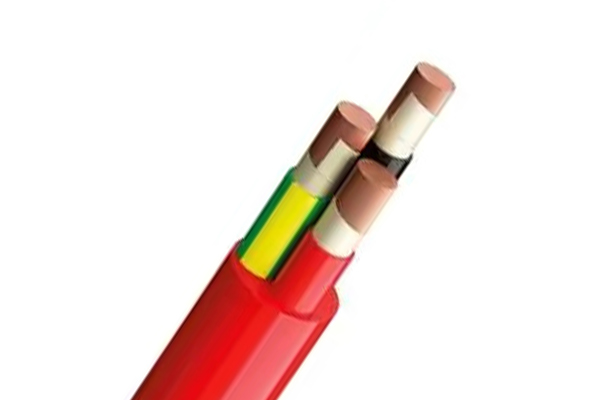
IEC 60332 – Flame retardant cables
The NORME IEC 60332 defines the test methods for verifying the ability of cables to limit the spread of fire when exposed to an ignition source. IEC cables 60332 Flame retardants are widely used in buildings, tunnels, subways and other infrastructure where it is crucial to reduce fire risks. Unlike the IEC 60331, focused on continuity of power during a fire, l’IEC 60332 focuses only on the spread of the flame.
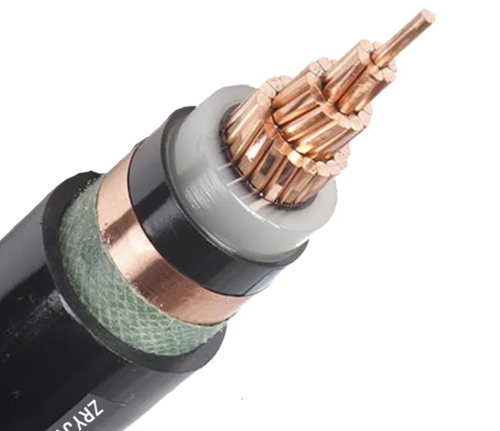
IEC 60840 – High voltage cables (30 kV to 150 kV)
IEC standard 60840 specifies the design, installation and testing of high voltage cables ranging from 30 kV to 150 kV. IEC cables 60840 are used in urban networks, industrial facilities and infrastructure requiring reliable energy transmission. Thanks to this standard, IEC high voltage cables 60840 guarantee lasting performance and optimal safety.
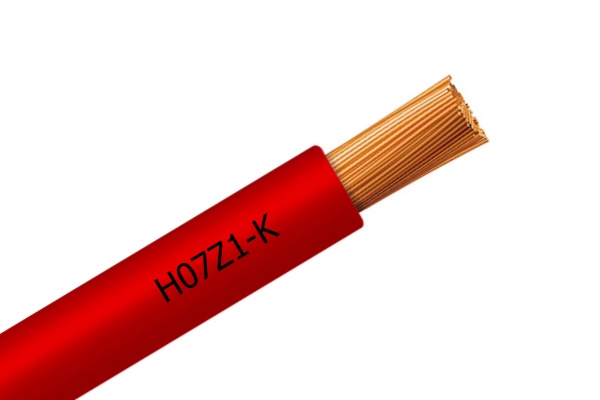
IEC 60754 – Halogen-free cables (LSZH)
The NORME IEC 60754 applies to halogen-free cables (LSZH – Low Smoke Zero Halogen). It defines the methods for testing gases produced by the combustion of materials used in electrical cables and fiber optic cables.. The aim is to ensure that cables do not release toxic substances for people or corrosive gases for equipment. (halogenated acid gases, such as HCl or HF) in the event of a fire. All LSZH cables (Low Smoke Zero Halogen) must meet this standard in order to ensure a high level of fire safety. They are particularly used in public buildings, transport networks and sensitive industrial installations.
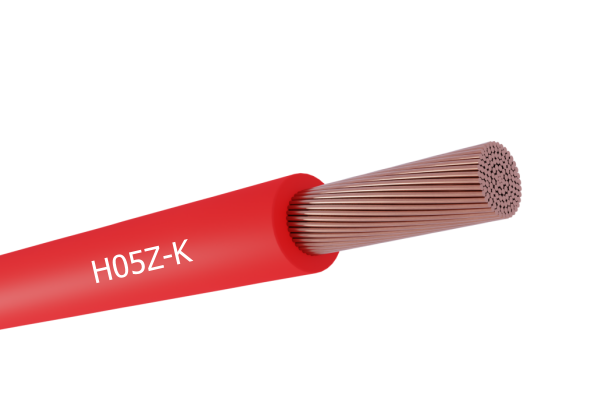
IEC 61034 – Low smoke cables
The NORME IEC 61034 measures the density of smoke released when cables burn by evaluating the rate of light transmission in a test chamber. It aims to guarantee low smoke emission in order to maintain sufficient visibility for evacuation and rescue operations in the event of fire..
Cables conforming to IEC 61034 are used in tunnels, metros, stations, hospitals and high-rise buildings. Unlike the IEC standard 60754, which controls the toxicity and corrosiveness of gases, l’IEC 61034 focuses on the amount of smoke produced.
The two standards together define the performance of LSZH cables (Low Smoke Zero Halogen). An LSZH cable must satisfy both IEC 60754 (Zero halogen) and IEC 61034 (Low Smoke).
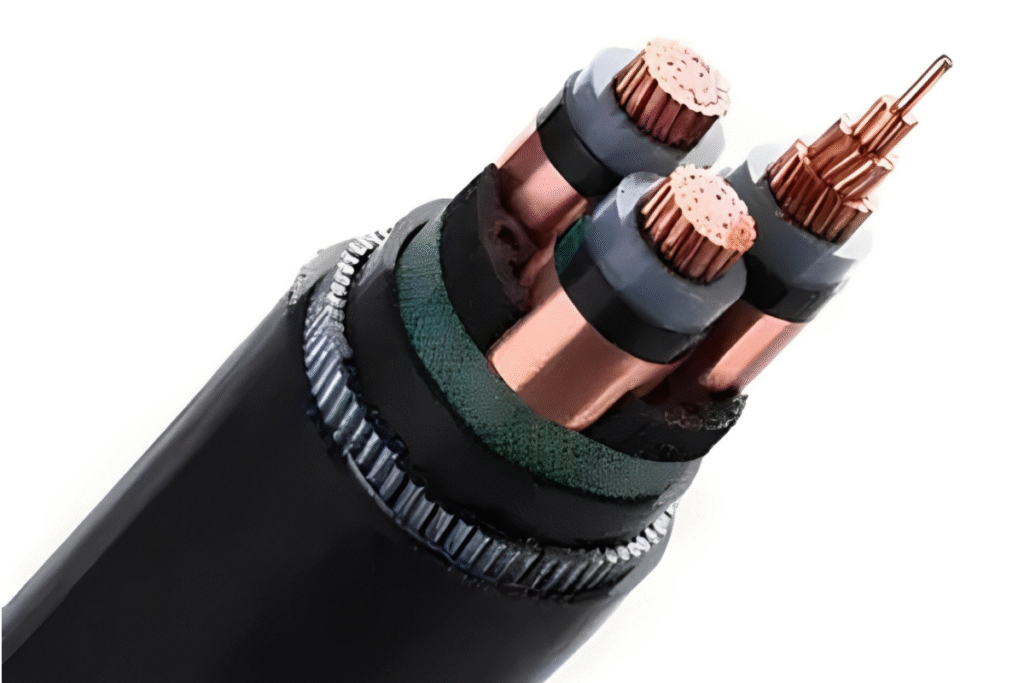
IEC 62067 – Very high voltage cables (>150 kV)
IEC standard 62067 defines the requirements applicable to very high voltage cables, that is to say greater than 150 kV. It frames the design, installation and testing to ensure the reliability of interregional power grids and long-distance transmission lines. IEC cables 62067 very high voltage play a key role in large-scale energy transport and guarantee the stability of electrical networks.
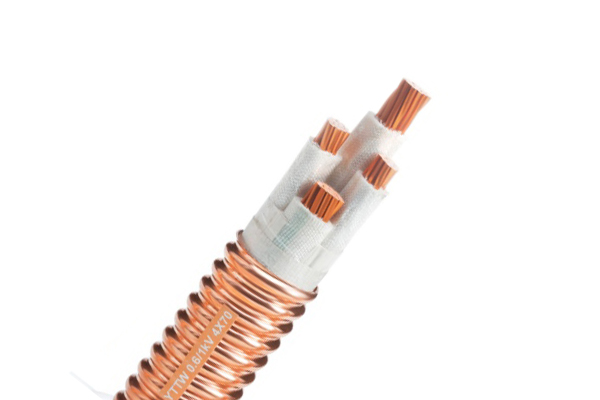
IEC 60331 – Fire resistant cables
The NORME IEC 60331 evaluates the ability of a cable to remain fire resistant and maintain electrical power for a certain period of time under fire conditions. Unlike IEC 60332 (which limits the spread of flames), IEC 60331 focuses on continuity of cable service in fire situations. IEC cables 60331 fire resistant are widely used in fire alarm systems, security lighting, the elevators, tunnels and all critical installations where power must not be interrupted.
| NORME IEC | Titled | Main content | Typical applications |
| IEC 60228 | Driver Standard | Defines the materials, the structure, the section and continuous resistance of the conductors. Basis for all IEC compliant cables. | Design of conductors for all types of electrical cables according to IEC standards |
| IEC 60502 | IEC low and medium voltage cables 60502 (0,6/1 kV ~ 30 kV) | Specifies the design, testing and performance of IEC low and medium voltage cables 60502. | Electrical distribution in buildings, industry, power lines |
| IEC 60332 | Flame resistance tests | Test methods for evaluating the fire performance of IEC cables. | Buildings, metros, tunnels, locations requiring IEC fire resistant cables 60331 |
| IEC 60754 | IEC halogen-free cable 60754 LSZH | Measurement of halogenated acid gas emissions during combustion. | IEC halogen-free cables 60754 LSZH for low smoke, Fire safety |
| IEC 61034 | IEC reduced smoke cable 61034 | Measurement of the smoke density released by the burning cable. | Subways, tunnels, public buildings, IEC smoke reduced cables 61034 |
| IEC 60840 | IEC high voltage cable 60840 (30 kV ~ 150 kV) | Conception, installation and testing of IEC high voltage cables 60840. | Urban networks, high voltage industrial power supply |
| IEC 62067 | IEC very high voltage cable 62067 (>150 kV) | Requirements for design, installation and testing of IEC very high voltage cables 62067. | Transmission lines, interregional networks |
| IEC 60331 | IEC fire resistant cable 60331 | Defines the cable's ability to maintain power under fire conditions. | Fire systems, security lighting, elevators, tunnels |
Applications of IEC cables
Cables compliant with IEC standards are used in a wide variety of strategic sectors :
- Industry : factory automation, production machines, industrial equipment.
- Energy : electricity transmission and distribution, medium and high voltage networks.
- Infrastructures : buildings, urban transport systems, metro, tunnels and airports.
- Communication and renewable energies : photovoltaic projects, wind farms, telecommunications networks.
Advantages of IEC cables
Choosing an IEC cable offers many advantages for international projects :
- Global Compatibility : uniform specifications that facilitate procurement for transnational projects.
- Safety and performance : cables tested according to strict criteria (fire resistance, low smoke emission, isolation haute tension).
- Installation versatility : suitable for different configurations, whether underground, and tunnel, in the air or in an industrial environment.
These advantages explain why the IEC compliant cable has become an essential choice for large energy projects, infrastructure and industry.
ZMS Cable and IEC standards
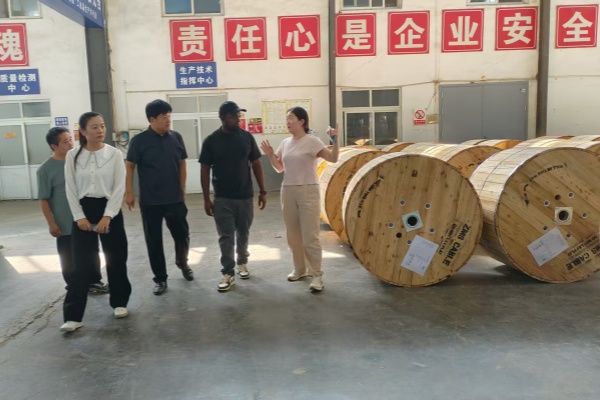
Chez ZMS Cable, we manufacture cables compliant with IEC standards which meet the requirements of the strictest international projects. Our expertise covers all needs : low voltage IEC cables, medium voltage, haute tension, control cables and special cables for industrial applications, energy and infrastructure.
Our solutions are distinguished by several advantages :
- Full compliance with IEC standards, CE and ISO : each cable is rigorously tested before shipment and accompanied by quality reports on request.
- Sustainability and customization (OEM / ODM) : design and production of tailor-made IEC cables according to your technical specifications, with customization of the marking, Colors and packaging.
- Rapid global logistics : flexible delivery by sea, land or air, with shipments to over 120 pays.
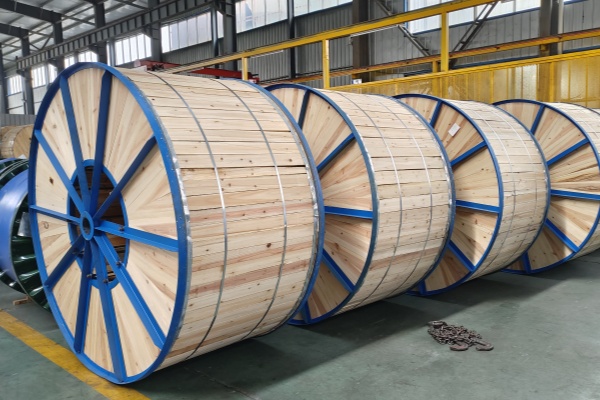
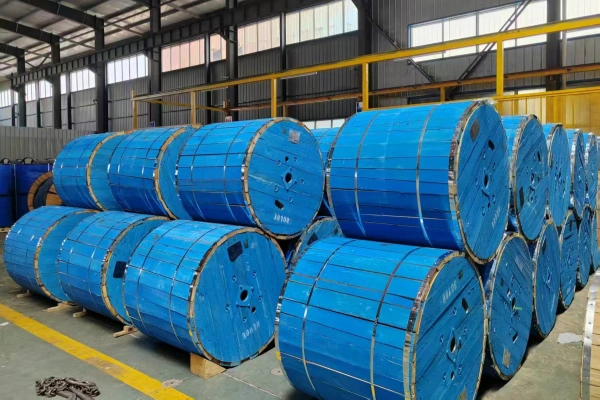
- Careful and secure packaging : wooden spools, metal drums or corrugated cardboard, with sealed ends to protect cables from moisture and damage.
- Dedicated technical support : our engineers and advisors help you choose the IEC electrical cable best suited to your installations, taking into account local standards and application conditions.
Thanks to this comprehensive approach, ZMS Cable is your trusted partner for all your IEC cable needs — from design to delivery, with guaranteed quality and long-lasting performance.