
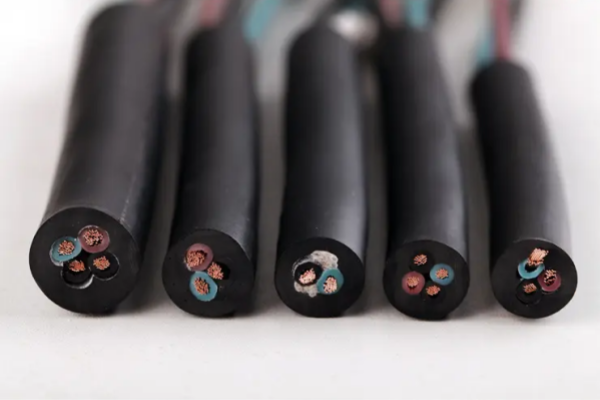
Electrical wires and cables are essential intermediaries for transporting electrical energy from one point to another. They play an irreplaceable role in the field of electricity. Power lines, electricity transmission and distribution, from transformer stations to internal connection of electrical equipment, their use is essential. The quality of electrical wires and cables directly influences the stability of electricity supply, as well as electrical safety and economic efficiency.

Development history
Age of Civilization
Electric wires and cables are important results of the development of human society. Their history dates back to the first civilizations. At first, people used natural materials such as plant fibers and animal skins for electrical conduction. Although this method was primitive and simple, it already testified to the human need to transmit electricity and to their spirit of exploration.
Era of the industrial revolution
In the 18th century, with the deepening of research in electricity, electrical wires and cables appeared and developed rapidly.
In 1744, the German Winkler used a wire to transmit electric sparks over a long distance, thus marking the birth of the electric wire.
In 1752, the American Franklin invented the lightning rod and connected it to the earth with an electric wire, which constituted the first practical application of electric wire.
With the arrival of the industrial revolution, the demand for electric transmission continually increased, thus stimulating the development electrical wires and cables.
Technological progress
The first conductors were made of metal bars or wire. With technological development, people started using copper and aluminum wires instead of iron wires, thus improving the efficiency and quality of electrical transmission.
The first cables used were made of copper wires coated with lead, used to transmit electrical signals and energy. Although these cables were expensive and prone to frequent damage with a short lifespan, they represented relatively advanced technology for the time.
Developments in the 19th century
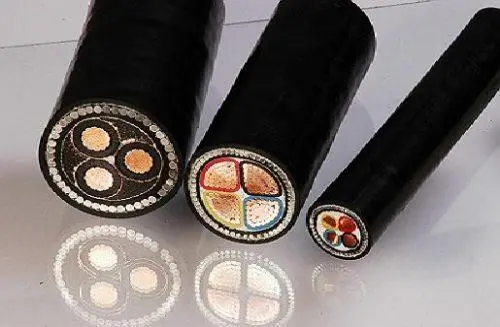
In the middle of the 19th century, people began using rubber insulated cables to transmit electricity. These cables not only offered better insulation, but also reduced electrical transmission losses, thereby significantly increasing the efficiency of energy transmission.
20th century
At the beginning of the 20th century, with the advance of the industrial revolution, the demand for electrical wires and cables increased considerably. To meet this request, mass production of electrical wires and cables began, allowing their large-scale use in factories, the shops, the residences, etc. New designs and manufacturing technologies continually appeared, significantly improving the functions and performance of electrical wires and cables.
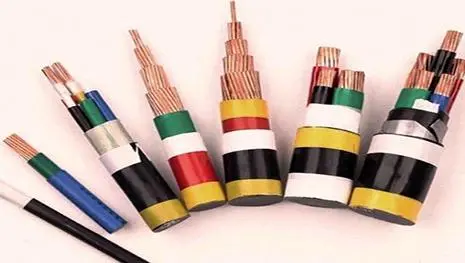
From the mid-20th century to the end of the 20th century, with the rapid development of information technology and global economic growth, the demand for electrical wires and cables increased further. To meet the diverse needs of the telecommunications and data transmission fields, the types and specifications of wires and cables diversified, moving from simple power transmission to integrated multifunctional transmission.
At the end of the 20th century, with the development of optical technologies, fiber optic cables began to be used to transmit electrical signals. Optical fibers, with their fast transmission speed, their long range and strong resistance to interference, became the main means of transmission in modern telecommunications networks.
With continued technological progress, the materials used to manufacture wires and cables also evolved in innovative ways. From original copper conductors to various alloys, polymer materials and finally modern optical fibers, the history of electrical wires and cables is a true chronology of technological progress. In the future, wires and cables will continue to evolve, further contributing to the development of human society.
Types
Electrical wires and cables have a wide range of applications and are available in many varieties.
Running wires
Among the common threads, we find bare wires and bare conductive products. The latter are characterized by the absence of insulation and sheath. They mainly consist of three product categories : bare single wires, bare stranded wires and profiled conductors.
Cables
The development of cables has given rise to a wide variety of types and classification methods.
Depending on their use, cables can be classified as follows :
- Power cables : used for the transmission of electrical energy.
- Communication cables : used for data and signal transmission.
- Fire resistant cables : designed to maintain circuit integrity in the event of a fire.
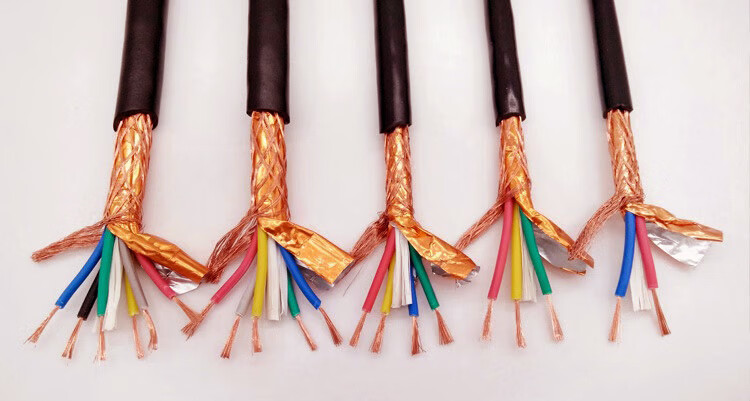
- Shielded cables : Equipped with an additional layer of protection to prevent electromagnetic interference.
- Insulated cables : with additional insulation for specific environments.
Depending on the materials used, cables can be classified into :
- PVC isolated cables : using polyvinyl chloride as an insulating material.
- XLPE insulated cables : using cross-linked polyethylene as an insulating material.
- Fiber optic cables : using optical fibers for data transmission.
- Copper cables : using copper as the main conductor.
- Aluminum cables : using aluminum as the main conductor.
- Low smoke and halogen free cables (LSZH) : using materials that reduce smoke emissions and do not contain halogens, which improves safety in the event of fire.
Manufacturing standards
Cable manufacturing and usage standards vary by country. The cables can thus be classified according to the following standards :
- Chinese standards : GB/T 12706, GB/T 19666, etc.
- American standards : UL 83, UL 1581, NEC, etc.
- European standards : IN 50525, HD 603, IEC 60228, etc.
- British Standards : BS 6004, BS 6346, BS 6724, etc.
Common Types of Cables
Despite the various classification methods, Commonly used cables include the following :
High voltage cables
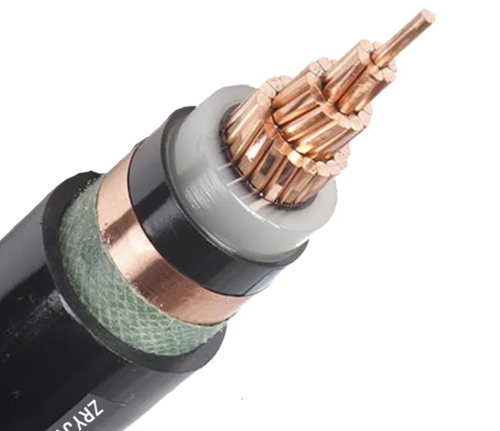
High voltage cables are electrical cables used for the transmission of electrical energy at high voltage, typically in electrical transmission systems with a rated voltage of 1 KV or more. They are characterized by excellent insulation, high current carrying capacity and strong resistance to interference. They are widely used in power transmission, distribution networks and various industrial sectors requiring high voltage power.
Flexible cables
Flexible cables are specifically designed for applications requiring frequent movement and bending. They are made from highly flexible and durable materials, able to withstand repeated bending, twists and mechanical stresses without suffering damage. Flexible cables have great resistance to wear, high tensile strength and good electrical performance, which makes them ideal for robots, Automated equipment, the cranes, elevators and mobile devices requiring constant movement and vibration. Their design ensures reliable and stable transmission of energy and signals in dynamic operations.
Aerial cables
Aerial cables are electrical cables used for the transmission of electricity, usually installed high up on poles or pylons. They are made of bare or insulated conductors and have high mechanical strength and excellent weather resistance., can withstand natural conditions such as wind, rain and snow. Aerial cables are widely used for transmission of electricity over long distances, high-voltage transmission lines and urban and rural electricity networks. Their main advantages include easy installation and maintenance, relatively low costs and adaptation to various types of terrain, although aesthetic and safety considerations are necessary in urban and densely populated areas.
Fiber optic cables
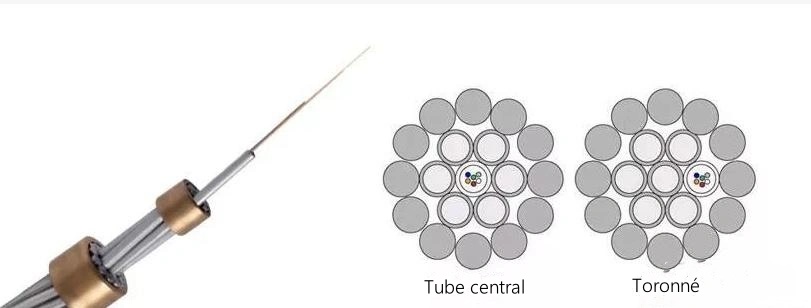
Fiber optic cables are cables used for data transmission, using light signals that propagate through optical fibers. Made up of multiple optical fibers, these cables transmit light signals over long distances by reflection and refraction. Compared to traditional copper cables, fiber optic cables provide higher bandwidth and lower signal attenuation, enabling fast data transmission over long distances. They are insensitive to electromagnetic interference, thus ensuring stable and reliable data transmission. Fiber optic cables are widely used in communication networks for the Internet, telephones and television, as well as in data centers and industrial automation systems, constituting an essential infrastructure for modern communication and information transmission.
Solar cables
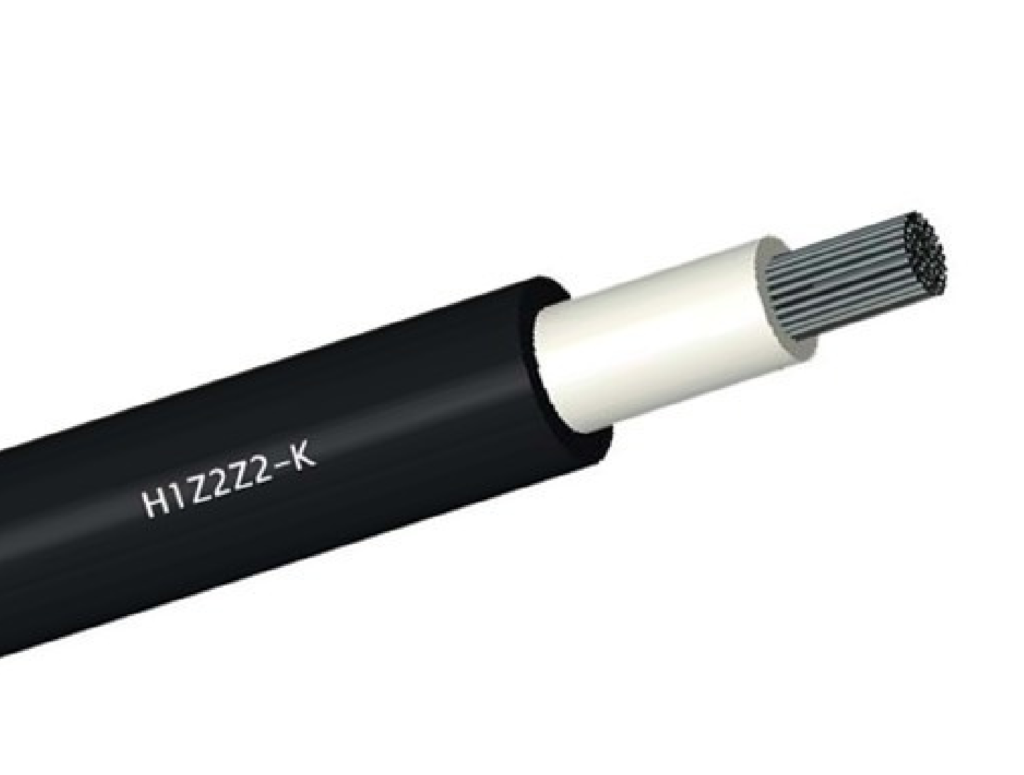
With the growing awareness of environmental issues and the search for new sources of energy, photovoltaic cables have gained popularity. These cables are specially designed to connect the components of a photovoltaic system, such as solar panels, inverters and distribution equipment. They have great resistance to bad weather and UV rays, capable of lasting operation in harsh outdoor environments. Photovoltaic cables use high temperature and corrosion resistant insulation materials, offering good electrical performance and high mechanical resistance. They guarantee efficient transmission of electrical energy while reducing energy losses. Photovoltaic cables are mainly used in DC circuits of solar power generation systems, supporting the efficient use of renewable energy and promoting the development of sustainable energy sources.
Conclusion
Electrical wires and cables, as vital veins of energy transmission, play an irreplaceable role in the development of modern society. From the initial use of natural materials to today's high-tech products, the history of electrical wires and cables bears witness to technological progress and the growing demand for electrical energy. Whether in the supply lines, transmission and distribution systems, or in various industrial and domestic applications, the quality of electrical wires and cables directly affects the stability of energy supply and electrical safety.
Choosing high-quality electrical wires and cables is crucial to ensuring the reliability of electrical systems. Cables manufactured by ZMS, with their exceptional performance and reliability, have become a trusted brand in the market. ZMS cables offer the following advantages :
- Exceptional insulation performance : ZMS cables use high quality insulation materials, guaranteeing safety and stability even under high voltage and in harsh environments.
- Large load capacity : Advanced Design, they can carry strong electrical currents, meeting the needs of high-load applications.
- High durability : They have excellent wear resistance, high tensile strength and good weather resistance, suitable for various complex working environments.
- Diversified products : ZMS Cable offers a wide range of cable products, including high voltage cables, flexible cables, Air cables, optical fibers and photovoltaic cables, meeting the needs of different industries.
- Environmentally friendly materials : Environmentally conscious, they use low smoke and halogen free materials (LSZH), reducing environmental impact.
Choosing ZMS cables, it means opting for a guarantee of quality and reliability. Let ZMS cables provide solid electrical transmission for you, promoting a future of sustainable development.