
Winter can cause many problems for electrical cables, ranging from corrosion to breakage due to cold and snow.
Electric cables are subject to many challenges in winter, because they can contract due to the cold and become more fragile.

This can cause problems with electrical systems and cause outages, short circuits and fires.
In this article, We'll explore the effects of winter on electrical cables and discuss how to prevent problems with electrical systems.
The Effect of Cold on Electric Cables
Cold weather can cause many problems for electrical cables due to shrinkage of the wires and coatings.
Electrical cables can contract due to cold and become more fragile, which can lead to power outages and leaks.
Cold weather can also cause problems for electrical connectors, which can become stiffer and less flexible due to cold.
The Effect of Snow and Ice on Electrical Cables
Snow and ice can cause problems for electrical cables by accumulating snow and ice on wires and connectors.
This can cause short circuits, breakdowns and fires due to moving snow and ice hitting wires and connectors.
What's more, snow and ice can cause problems for electrical systems by weighing down cables and overloading them.
How to Prevent Electrical Cable Problems in Winter :
Check cables before using them : It is important to check the cables before using them to ensure that they are not damaged or damaged.
Look for any signs of damage, like cuts, cracks or improper repairs. If you notice any problems, do not use them and have them repaired or replaced.
Keep Cables Dry : Snow and ice can easily build up on cables and damage them by quickly cooling the metal.
It is therefore important to keep them dry and free of snow and ice. Use a protective cover to protect them from snow and ice, or regularly remove snow and ice accumulated on the cables.
Avoid overloading cables : Electrical cables are designed to handle a certain amount of current, it is therefore important not to overload them.
Avoid using them with devices that exceed their charging capacity, and make sure the cables are properly sized for the devices you are using.
Proper storage : When you're not using them, store the cables in a dry place protected from bad weather. Avoid storing them in damp locations or where they may be exposed to snow and ice.
There are a number of cables suitable for winter use, such as PVC cables, rubber cables, silicone cables and stainless steel cables.
They are robust, weather resistant, insensitive to humidity and can be used in difficult conditions, making them ideal for harsh winter conditions.
winter can cause many problems for electrical cables due to the cold, snow and ice.
It is important to take care of cables in winter by checking them before using them, keeping them dry, using them correctly without overloading them and storing them correctly.
By following these tips, you can minimize risks to electrical systems and keep your electrical cables safe during winter.
How to Protect Overhead Power Lines in Winter
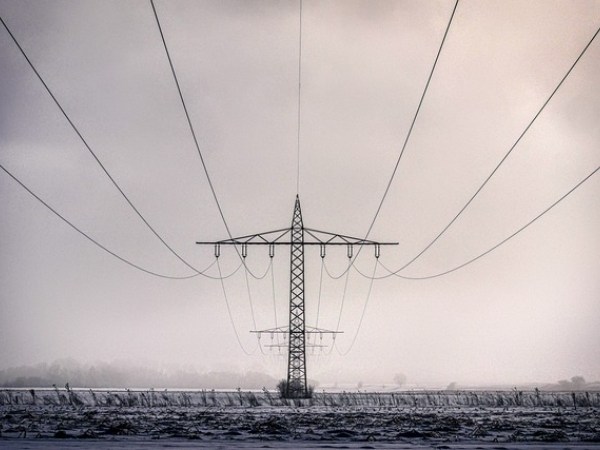
Overhead power lines are an important means of transporting electricity from one region to another. However, in winter, they may experience problems that can lead to disruptions in the supply of electricity.
One of the most common problems with overhead power lines in the winter is ice forming on the wires..
When weather conditions are extremely cold, ice can form on the wires, which can weigh them down and cause them to fall.
This can cause power outages, disruptions in the supply of electricity and, in the most serious cases, fires.
Another common problem is wire breakage due to freezing and thawing.
When the temperature changes quickly, wires can expand and contract, which can damage or break them.
It may also cause disruptions in the supply of electricity and, in the most serious cases, fires.
To remedy these problems, power companies can adopt several strategies.
One of the most common solutions is to install defrosting systems on the wires to prevent ice formation..
These can be powered by electricity or by alternative sources such as hot air or the sun.
It is also possible to use special wires that are more resistant to ice formation and breakage due to freezing and thawing.
These threads are generally made with materials that expand and contract less than traditional threads.
Finally, power companies can reinforce the poles that support overhead power lines.
This can help prevent disruptions to the electricity supply in the event of high winds or snowstorms.
By acting proactively to prevent problems with overhead power lines in winter, power companies can minimize disruptions to electricity supply and ensure a reliable and consistent supply for consumers.
If you have any questions about using cables or cabling solutions, you can contact us and we will resolve them quickly, while providing high quality products and cabling solutions.
We look forward to working with you !