
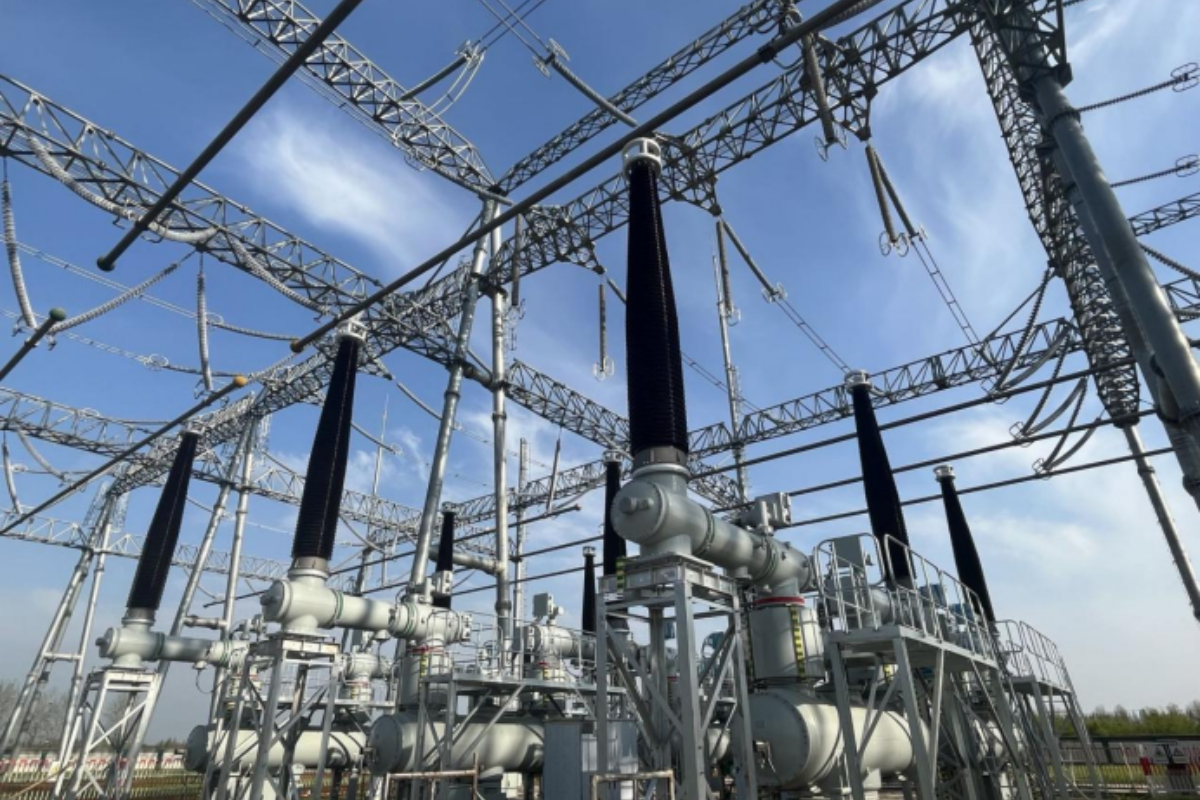
Electricity is one of the most used sources of energy in our daily lives. Various industries have a high demand for electricity. Cables play a vital role in the transmission process of power networks and have complex wiring. We all know that electricity is very dangerous. Any damage or injury to these cable lines may cause economic losses and pose a threat to our safety.Need to protect the cable
The Importance of Protecting the Cable
The electricity grid covers every aspect of our lives. We use electricity for our homes, commercial electricity for our offices and electricity for our businesses and factories.
All these electricity needs are met by cables. Cable aging, Accidental shocks and bites from insects and rodents can damage cable lines.
The problems in this segment will bring us a lot of hidden dangers. To avoid accidents, it is necessary to carry out regular maintenance and inspection of cables.
cable’Alimentation
The power cable is key to energy transmission.
It is widely used in various industries. Electricity is necessary for urban rail transport, power plant substations, internal electrical systems of buildings and lighting equipment, industrial equipment, etc.
Electricity is used as a source of energy to connect different parts of the electricity system. It allows various equipment to operate normally.

When cables are damaged, they can cause instability of the power supply, or even prevent normal transmission. Cable protection and inspection can improve electricity reliability.
Our daily lives often touch cables. Inside our homes, there are power lines and household wires. There are also cables laid outside.
All are closer to our side of the cable. If these cables are damaged and cause a short circuit, there is a risk of electrocution.
This is a significant threat to our security, or even a danger of death.
Cable Communication
The main purpose of communication cables is to transmit digital signals. We are currently in the era of information technology and data transmission is in high demand.
Coaxial cables, Optical fiber cables, submarine cables and radio frequency cables can be used to transmit signals.
Communication cable is the key to data transmission. It guarantees the stability and quality of communication equipment and network equipment.
If subject to mechanical damage or electromagnetic interference, it will cause data loss and affect network operation. This will cause data loss and affect the normal operation of the equipment.
Precautions to Protect the Cable
Cables are damaged in various ways and can cause significant losses. To avoid this, cables should be inspected, maintained and replaced regularly. The following aspects should be given particular attention.
Prevent physical damage. Some accidents cause unpredictable mechanical damage. It is necessary to take good protective measures. For example, cables laid outside can be protected by a tube and a protective sheath, while cables laid underground or in harsh environments can be protected by armored cable.
Waterproofing and fire resistance. The cable installation process must be well sealed. Moisture and water vapor in the cable must be prevented from causing a short circuit.. Protection of the cable against fire is also very important. Burning the cable produces a large number of toxic gases. These gases are harmful to health and pollute the environment. Take effective fire prevention measures in flammable and explosive places. Use flame-retardant and low-smoke cables.
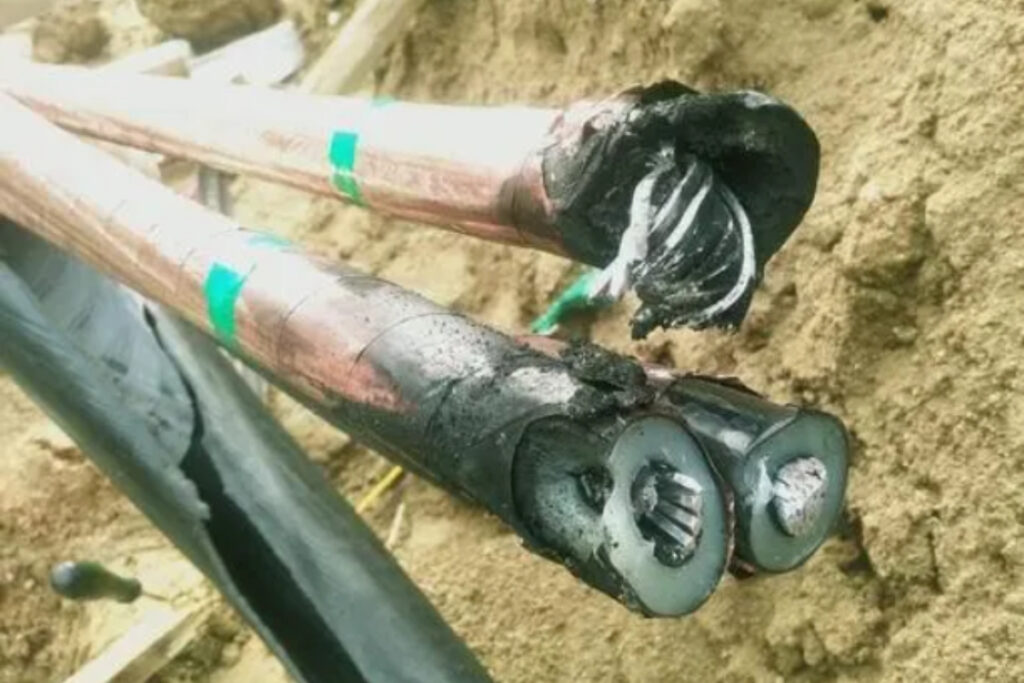
Pay attention to cable temperature. A large amount of current passing through the cable for a long time generates heat, and attention should be paid to the high temperature protection of the cable to prevent high temperatures from affecting the transmission of the cable.
Protect and verify the insulation layer. Insulation is a very important element of cable structure. It prevents exposed cables from shorting and protects people outside the safe voltage range.
For communication cables. It is important to avoid electromagnetic interference. Use shielded cables, the shielding layer can prevent electromagnetic interference and ensure the quality of signal transmission.
Failures in the’Utilization you Cable ?
After understanding how to protect the cable, we need to understand some common cable failures. This will allow us to better maintain and inspect the cables.
Short circuit is the most common failure. Cable insulation is damaged, connection does not meet specifications, the cable is getting old, etc.
Aging of the insulating layer. The insulating layer is subjected to high voltage, to humidity and other external factors for a long time. Aging will occur, causing short circuits and risk of leakage. It is necessary to protect the high voltage cable well.
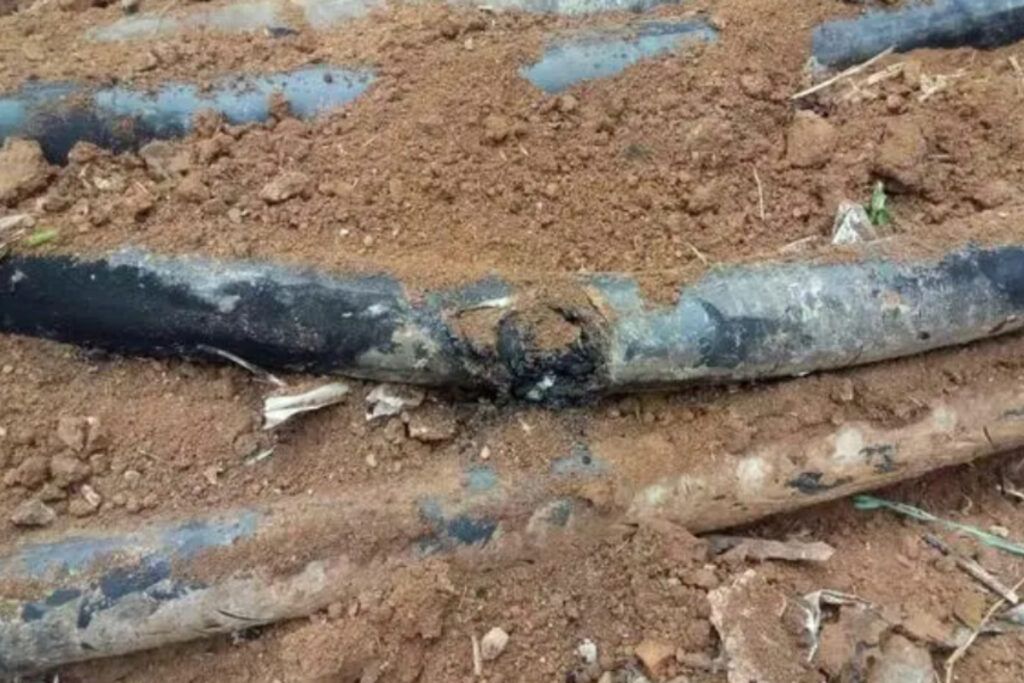
Mechanical damage. The cable is subject to extrusions and external shocks, leading to wire breaks and fractures. Impact on energy transmission.
Résumé
Cable protection has a positive effect on personal safety, the operation of the equipment, information transmission and electrical networks.
A regular inspection, maintenance and safety measures are necessary. They protect the stability of the electricity network, reduce costs and avoid safety accidents.