
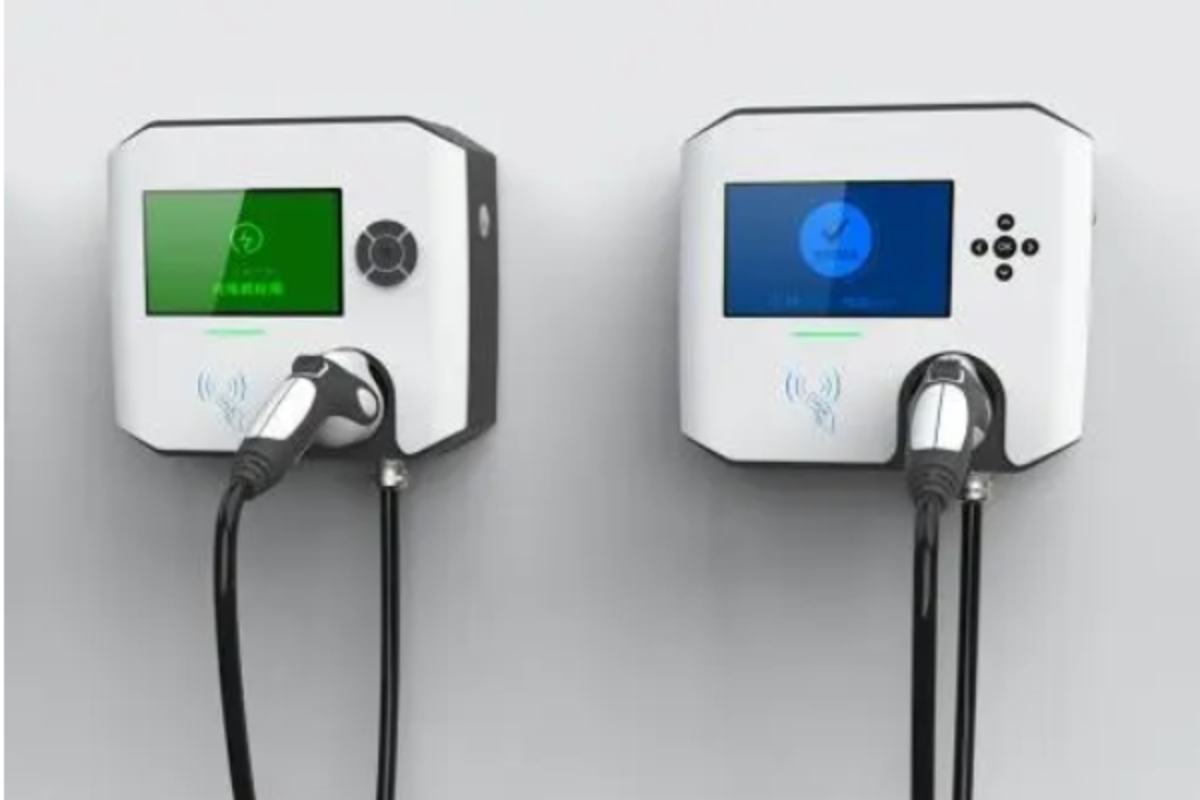
The charging cable for electric vehicles, as a means of transmitting energy to power these vehicles, Plays a crucial role in this entire process, and the market is growing rapidly.How to choose a charging cable ?This article will answer your questions.
With the continued expansion of the international new energy vehicle market and policy support from governments around the world. the electric car industry is experiencing significant development.
What's more, constant innovations in charging technology direct its development towards intelligence, convenience, safety and efficiency. Thus accelerating quality improvement charging cable products.
What is an electric vehicle charging cable ?
Charging cable is one of the most commonly used cables in new energy vehicles. It is used to connect the electric vehicle to a charging station or charging equipment, thus allowing the transfer of energy for recharging.
In general, the charging cable is made up of conductors, an insulating layer and a protective sheath. Featuring characteristics such as high temperature resistance, to wear and corrosion.
Charging cable specifications and standards vary depending on different charging methods and power requirements.
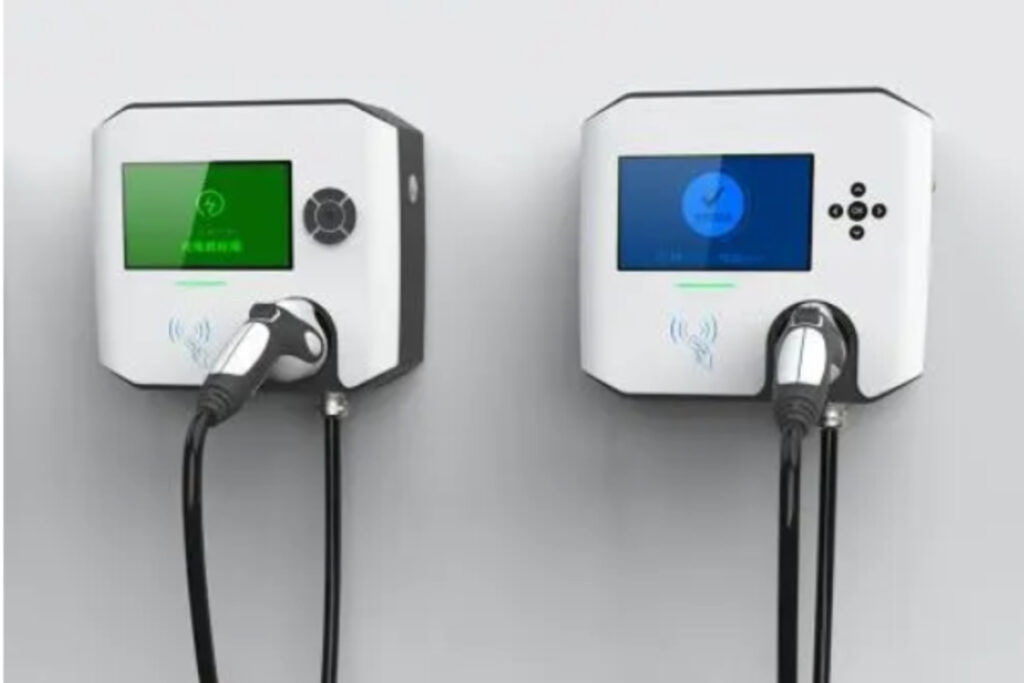
What are the types of charging cables for electric vehicles ?
Mode 1
Mode type cables 1 usually connect the plug directly to the socket without any other protection.
They are generally suitable for electric bikes. If they are used to charge an electric car, they are very dangerous for the user and the car. This operation is not recommended.
For your personal safety, you can choose the following types of cables for electric vehicles.
Mode 2
The Fashion charging cable 2 is a special cable with built-in protection. This is a significant improvement in security compared to the mode 1.
Fashion charging cables 2 are generally offered when purchasing an electric car. It can be used for temporary charging when there are no charging stations available.
Mode 3
Fashion charging cables 3 are by far the most common way to charge an electric car. There is no need to prepare additional charging cables, you can directly connect the charging cable provided by the charging station to the car to charge it.
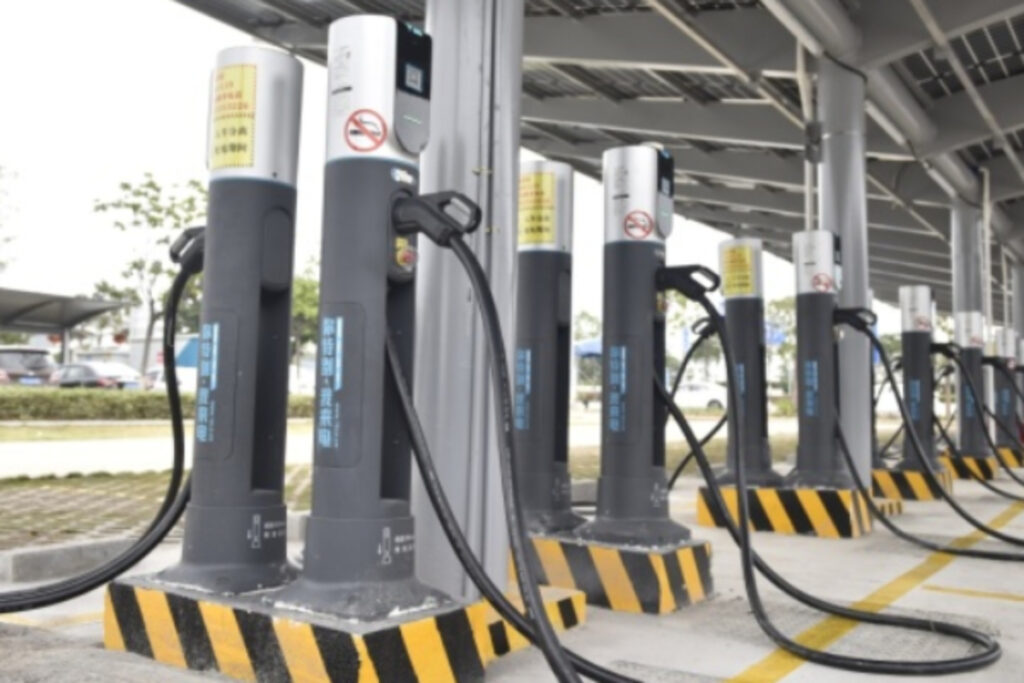
These terminals are usually installed at public charging stations, shopping centers and office building parking lots. You can also choose to install a charging station in your own yard or parking space if you meet the requirements. This is the recommended charging method.
Mode 4
If you want to recharge faster, you can choose the charging cable Mode 4. Charging is done by direct current, whose output power is higher. More energy can be delivered to the battery in a shorter period of time.
Fashion charging cables 4 have rubber insulation and flexible copper conductors of class 6 with a nominal power of 1 500 VCC.
High voltage charging cables often rub on the floor during use. The outer sheath is made of PUR to increase resistance to abrasion.
Load Sheets
The charging cable must work with the charging connector in the conductive charging system of the electric vehicle.
Connector specifications vary by region. The most common are the type 1, the guy 2, le CCS 1, le CCS 2 and the CHAdeMO.
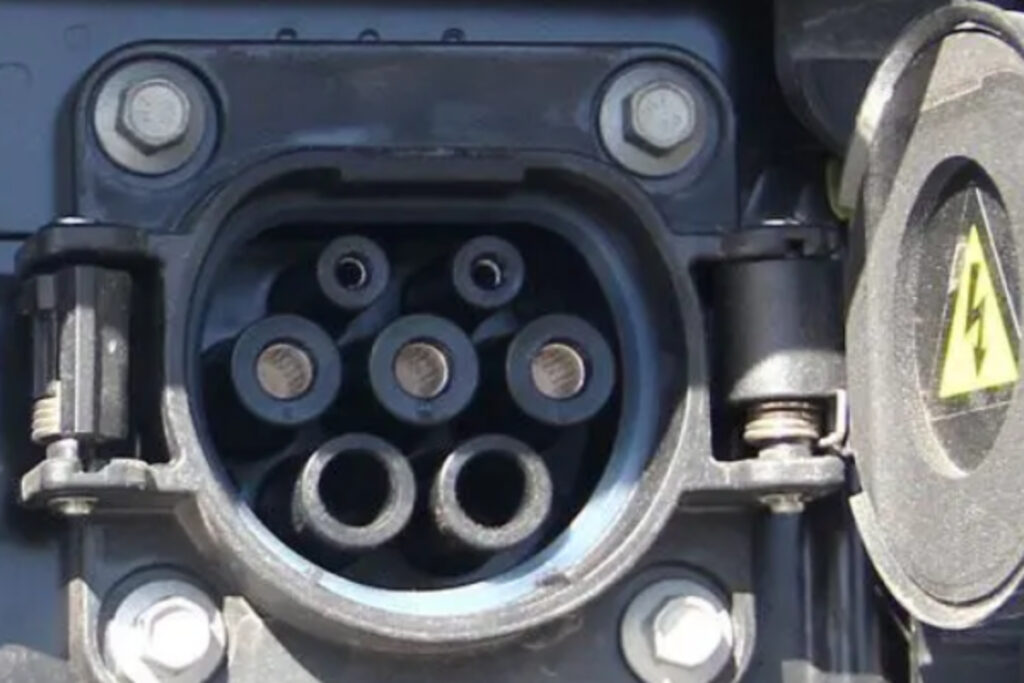
The guy 1 has five holes and can support up to 7,4 kW. It is generally used for low speed charging. Previously, it was mainly used in Japan and North America.
With the development of charging technology, the type interface 2 appeared. Two new holes are added based on the type 1.
It is a three-phase interface with one or two neutral and protective earth contacts for powers up to 43KW.
CCS 2 is a DC charging standard which is an improved version of CCS 1. Adding pins to type 2. Performs DC charging, which can be carried out during charging depending on the compatibility of the charging station.
Transmits alternating current and direct current, or both, via the charging cable. Power up to 350KV, Significantly improving charging efficiency. CCS 2 has become one of the leading standards for charging interfaces in Europe.
CHAdeMO is a standard proposed by the Japanese fast charger for electric vehicles, which is widely used in Japan. The interface has four holes for two normal charging sockets and two fast charging sockets.
Charging mode
DC charging
DC charging is known as fast charging. The charging cable transmits a large amount of electrical energy in a short time. This is a charging method that allows you to quickly increase power.
The power of DC charging pile is generally between 15KW and 120KW. DC charging cable is suitable for high power and short time charging.
In general, thirty minutes is enough to fill 80 % of the power of the electric car, after which the charging speed is significantly slowed down. The charging speed is then significantly slowed down, mainly for battery protection and charging safety reasons.
Fast charging is mainly used at large public charging stations, highway charging stations and other scenarios. High charging current generates considerable heat and rapid temperature rise.
This impacts the transmission efficiency of the cable, and there may be dangers when the temperature is too high. Therefore, the fast charging cable must have heat dissipation and flame retardant characteristics.. It guarantees the safety of the charging process.
AC charging
AC charging cable is suitable for low power and long duration charging, the power being generally less than 7KW.
It is mainly used for home charging, small public charging facilities, commercial charging facilities and other scenes. Slow charging voltage is more stable and will not damage the vehicle's internal wiring and battery. If you have enough time, you can prioritize slow charging.
Conclusion
Considering the above, you should know more about charging cables.
If you wish to consider installing independent charging equipment, you can consider the following aspects. You can consider the following aspects.
1. choose an appropriate location and type of installation. For example, if you want to install it in your garage or yard, the mode 3 is a good choice. Of course, the mode 2 is a good choice for emergency use.
2) If you want to use slow charging to protect the battery, you can choose the domestic slow charging station. The rated current of the cable can be 16A or 32A.
3) Charging cable specification standard is not uniform. You should pay attention to the charging port type of the car and choose the appropriate charging port.
4) The length of the cable can be determined based on the location of the charging station and the location of your car's charging port ; a length of 7 meters is generally recommended. Choose a soft and flexible charging cable, it is easier to use.