
Cables are classified as high voltage cables, high voltage cables, medium voltage cables and low voltage cables. Low voltage cables generally refer to cables with a voltage rating lower than 1 kv.
Voltage level
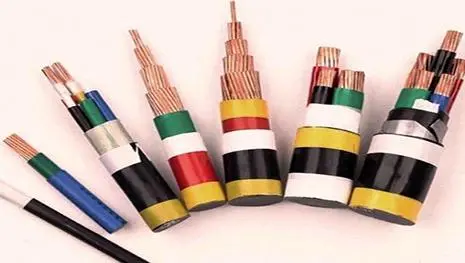
Low voltage cables can have different voltage levels, such as 450/750V, 300/500V, 0.6/1kV, etc. These cables are used in various applications such as household appliances, communications, low voltage cables, and power cables, etc. For example, the voltage level of ordinary household appliance cables is generally 450/750V ; the voltage level commonly used in small and medium-sized electrical substations and some power distribution systems in small factories is 0.6/1kV.
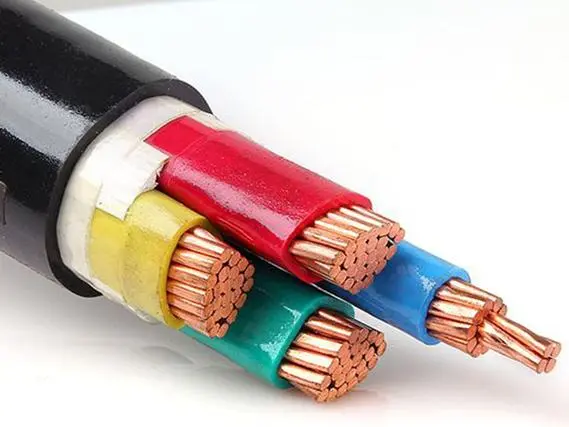
Structure Low voltage cables are generally made up of three parts : the driver, the insulation and the protective sheath. The conductor is used to conduct current and is usually made of twisted copper or aluminum wires. Low voltage cables are available in single phase versions, two-phase, three-phase and four-phase. Two-phase cables are used for single-phase circuits. Three-phase and four-phase cables are used for three-phase and four-phase circuits respectively. Single-phase cables can be used as required for single-phase or three-phase circuits. Commonly used cross sections for low voltage cable conductors are 10, 16, 25, 35, 50, 70, 95, 120, 150, 185, 240 mm2, etc.
Features
Low voltage cables are flexible and durable, thus facilitating their installation and movement.
Their structure is simple, making them easy to maintain and repair, with reduced maintenance costs. Compared to exposed overhead lines, low voltage cables require less maintenance, which significantly reduces costs. What's more, their concealed installation also reduces the risk of damage caused by adverse weather conditions, which saves more on repair costs.
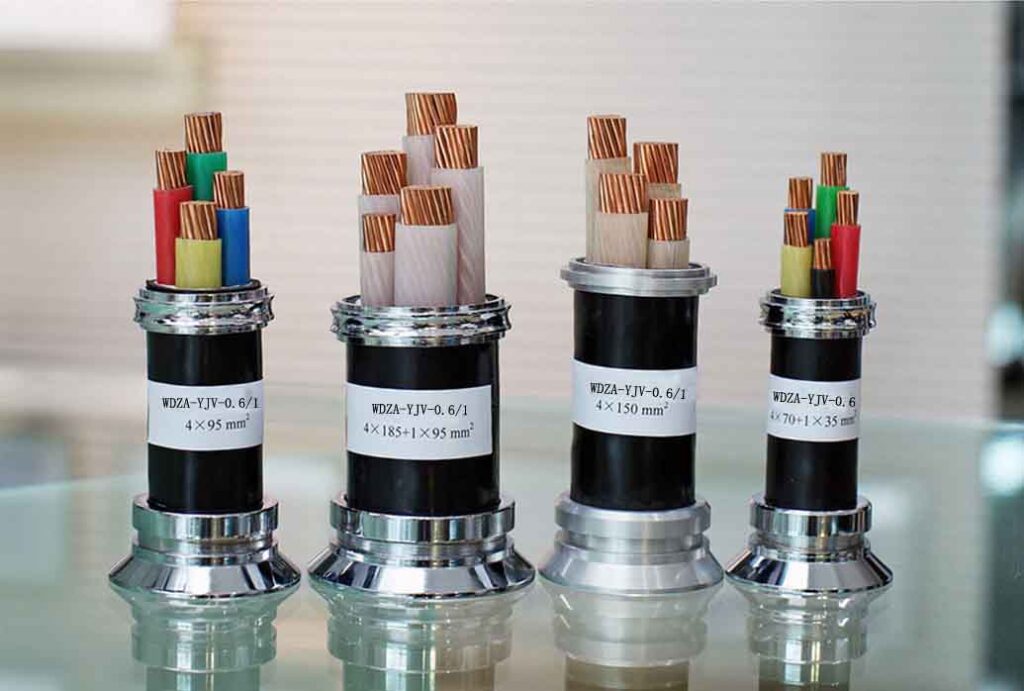
They offer good electrical performance, are reliable and safe. What's more, they are generally used inside residences, low-rise commercial and public buildings, where voltages and currents are relatively low, which makes them relatively secure.
Users can arrange them in different ways depending on their needs, which makes it possible to increase the installation density.
Their performance remains stable even in the event of significant variations in ambient temperature.
They have limited transport capacity, generally suitable for transmitting low powers over short distances.
Compared to high voltage cables and overhead lines, the materials and manufacturing processes of low voltage cables are simple, which reduces production costs.
Low voltage cables have a long lifespan and are less likely to be affected by the external environment.
Applications
Low voltage cables are electrical cables commonly used in transmission, la distribution, control, etc. They are mainly used in the following areas :
- In electrical distribution systems inside residences, commercial buildings and factories.
- In the control circuits of large machines and equipment.
- In the areas of urban public communications, radiudiffusion, of telephony, etc.
- For powering household appliances and small electrical tools.
- In high-rise buildings, underground subways, and other flammable or explosive places.
They are also found in daily life, For example :
- Household appliances such as refrigerators, washing machines, televisions, etc.
- Communication circuits such as telephone lines, network cables, etc.
- Power tools such as electric drills, electric hammers, etc.
- Mobile power sources such as laptops, cell phone chargers, etc.
In summary, low voltage cables can be used in various fields, including electricity transmission, the development of buildings, industrial automation, etc. When using low voltage cables, it is necessary to choose the appropriate type and specifications according to different occasions and requirements, to ensure good working performance.
Classification
Depending on the different application contexts, low voltage cables can be classified as follows :
Power cables : Used to transport electrical energy. Mainly used in industry to power large equipment and machines, providing stable power supply. They are commonly used in electrical distribution systems inside residences, commercial buildings and factories.
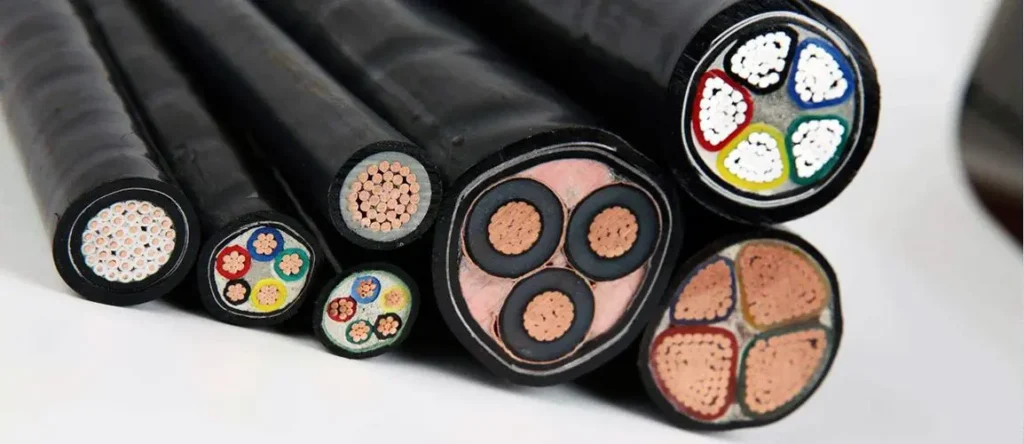
Electrical cables : Mainly used for connecting household appliances, data transmission, computer accessories and consumer electronics, etc.
Control cables : Used to control electrical equipment or transmit signal circuits. They are common in control circuits large machines and equipment.
Communication cables : Used to transmit various signals and information. Mainly used in telecommunications systems such as television, the phone, the radio, etc. They are commonly found in the areas of urban public communications, radiudiffusion, of telephony, etc. They are also used in control equipment such as ticket machines and automatic doors.
Mining cables : Used for power supply, control and signal transmission in underground mines.
Aerial cables : Used in remote locations such as mountains, deserts, islands or for transmitting signals over long distances.
Choice of low voltage cables
Material selection : There are many materials for making low voltage cables, such as aluminum, copper, fibers, etc. The choice of cable material can be made according to needs.
Determination of electric charge : The cable specification should be determined based on the load to estimate the amount of cable needed.
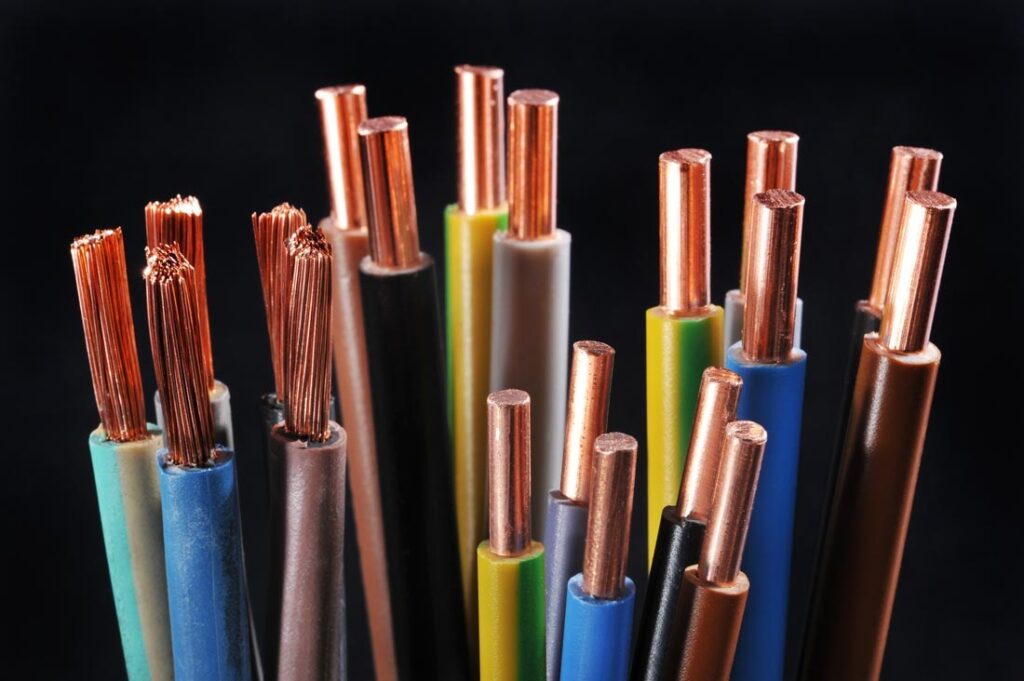
Choice of conductor section : Depending on the physical and electrical load, the appropriate conductor cross-section must be determined. Proper conductor cross section can reduce electrical load and overloads, thus guaranteeing the lifespan of the cable.
Maintenance
Maintaining low voltage cables can extend their lifespan. Here are some common maintenance measures for low voltage cables :
Avoid damage : During construction or use, take care to avoid mechanical or chemical damage to low voltage cables.
Avoid overloading : Before using low voltage cables for power, make sure the load does not exceed their rated capacity to avoid accidents.
Regular inspections : Perform regular inspections and maintenance of low voltage cables. This includes visual inspection to spot cracks, signs of aging, etc. Also check regularly l’isolation and the metal sheath of the cables to detect possible damage. Measure the resistance, the insulation resistance and grounding impedance of the cables to ensure their reliability and stability. Be sure to check if they are overloaded, as this can cause overheating and damage the cables. Finally, regularly inspect cable lead and metal sheath fittings for corrosion, cracks and failures, and act quickly to ensure cable safety.
In summary, low voltage cables have a voltage range of 0,6 kV to 1 kV and have advantages such as low cost and high safety compared to other types of cables. They are widely used and require special attention for safety and regular maintenance. ZMS is committed to producing high quality cables. If you need cables, you can contact us.