
The flexible cable is an important mechanical and electronic connection element. Have you ever had in-depth knowledge about this ? Do you have any doubts about this ? Don't worry, read this article. Learn more about flexible cables.
What is a flexible cable ?
A flexible cable is a cable very flexible and resistant to bending. The main conductor is copper wire or tinned wire. The exterior insulation is made of PVC and PE.
Flexible cables are widely used in robotics, electrical equipment, medical equipment, l’aviation, army and other fields.
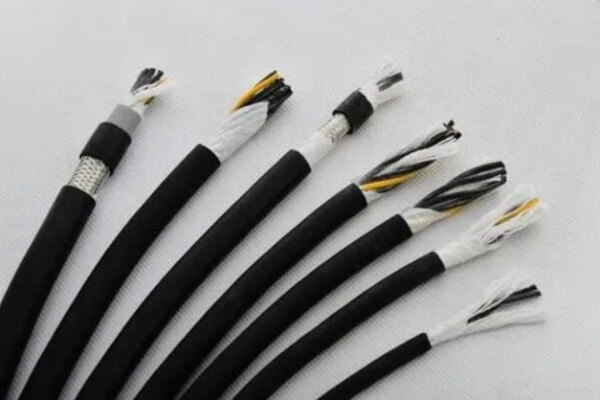
Types of flexible cables
flexible PVC cable : PVC soft cable adopts PVC as cable insulation material. It gives the cable good electrical characteristics and good chemical resistance.
Flexible PE cable : PE soft cable adopts PE as insulation. It has low temperature resistance characteristics, corrosion resistance, sealing, etc.
TPU soft cable : TPU soft cable adopts TPU as insulation. This material has good flexibility and oil resistance. It is suitable for large machines, to automation equipment, etc.
Flexible cable structure
The structure of the flexible cable mainly includes a metal conductor, insulation and an outer sheath. Flexible conductor braid is an important part of the processing and production process.
The braid of the conductor determines the flexibility of the cable. According to product requirements, braiding of the specified number of layers and dimensions is carried out. Cable braiding is completed after the stretching and braiding steps.
Applications of flexible cables
Many mechanical devices require frequent movement during operation, and these movements place extremely high demands on the cables. Flexible cables are ideal due to their excellent flexibility and durability.
Whether it's an automated production line in a factory or a moving part in a medical facility, flexible cables can easily accommodate frequent movements without snapping or rupturing due to repetitive bending.
ZMS Cable can develop flexible cable solutions suitable for all kinds of industrial machines and medical equipment according to customers' specific needs, to ensure the stability and safety of equipment operation.
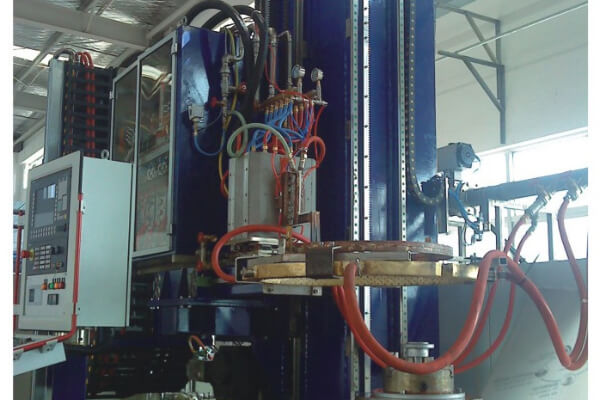
In addition to industrial equipment, flexible cables are also widely used in the field of electronics. Flexible cables are also widely used in electronic products. Especially computers, cell phones, tablets, etc. In a small space, the flexible cable connects the different components and transmits signals and electricity.
Advantages of flexible cable
Good conductivity : flexible cable uses copper as conductor material, which gives it low resistance and high conductivity. It is capable of ensuring stable transmission of energy or signals. This helps reduce losses of’energy and increase the efficiency of energy transmission.
Low bending radius : soft cables have good flexibility and bending ability, allowing them to easily adapt to a variety of environments and complex wiring scenarios. Thanks to their design, the conductor and the insulating layer inside the cable are not likely to be damaged when bending, which guarantees the reliability and lifespan of the cable.
Long life : flexibility of flex cables plays a crucial role in frequent bending and movement. It effectively avoids breakage, wear and tear, insulation peeling and other damage during the bending process. Extend cable life.
Folding Features
When inserting flexible cables, bending characteristics must be taken into account to discuss them separately. This is the key to long life of flexible cables.
Flexible cables have excellent bending properties, can withstand a large number of bends and high bending resistance, which helps maintain stable performance in an environment where movement and bending are frequent.
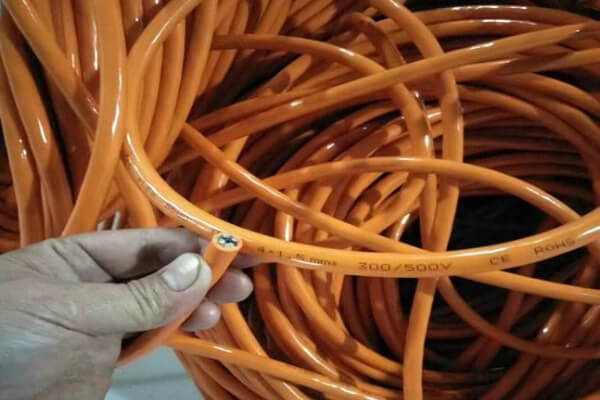
On the other hand, ordinary cables are likely to break at the bends after many repeated bends, what affects the transmission of energy.
Flexible cables therefore not only prevent breakages, but also to guarantee the functional integrity of the cable in the long term. Although flexible cables are not absolutely impervious to breakage, their excellent bending characteristics significantly reduce this risk.
Frequently asked questions about flexible cables
When should I use flexible cables ?
Most cables are designed with some degree of flexibility, to allow greater ease and flexibility during laying and installation. Indeed, if a cable is too rigid in its construction, it can be difficult, or even impossible to pose in practice.
Whether flexible cables or ordinary cables, they all have a certain degree of flexibility. However, there is a clear difference between the two. Flexible cables are designed to be better suited to bending and are able to withstand more intense bending without damage, making it a better choice in situations where high intensity bending is required.
In areas such as industrial automation, medical equipment and mobile devices, cables often need to be bent and moved frequently.
In this case, if you choose ordinary cables, they may break or be damaged due to frequent bending, which affects the normal operation of the equipment.
Flexible cables, on the other hand, can easily meet these challenges and maintain stable performance, thus ensuring reliable operation of the equipment.
How to make cables more flexible ?
The flexibility or flexibility of a cable is linked to the material of the cable conductor, to the sheath, whether it is shielded or not, and the diameter of the cable.
If you want a cable to be more flexible, you can choose softer sheath material or smaller conductor diameter.
Of course, the construction of the cable is also linked to its flexibility. Solid conductors are significantly more flexible than twisted conductors. Stranded conductors have more room to move, which allows the cable to bend and move more easily.