
With the constant progression of urbanization, the importance of electricity supply systems is becoming increasingly evident. Underground cables are an essential mode of electricity transmission. They are gradually replacing traditional overhead cables, thus becoming an essential component of modern cities. Compared to overhead cables, underground cables not only improve the safety and stability of electrical transmission, but they also beautify the urban visual environment. This article explores in depth the definition of underground cables, their types, their structure, their installation methods, their advantages, their maintenance and detection, as well as future trends in their development.
Types
Underground cables can be classified into different categories based on their voltage level and usage :
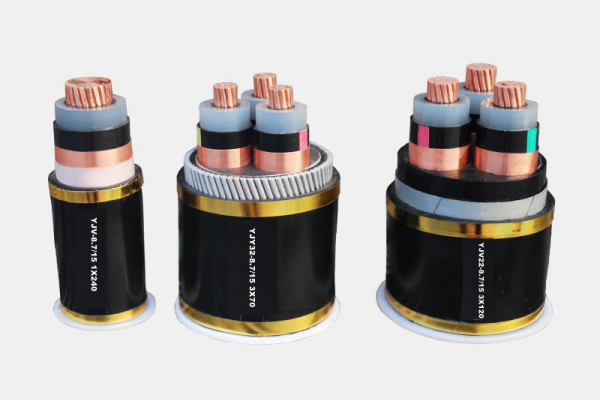
Low voltage cables : Low voltage cables generally have a voltage lower than 1 kV. They are suitable for the electrical supply of homes, offices and small commercial facilities. These cables are commonly used to provide electricity needed for daily life and work, and are renowned for their safety and reliability. They are widely used in residential areas and commercial buildings.
Medium voltage cables : Medium voltage cables have a voltage between 1 kV etc 35 kV. They are frequently used in factories, large commercial facilities and regional distribution networks. These cables play an important role in industrial and commercial sectors, capable of meeting the needs of large equipment and complex electrical systems, guaranteeing the continuity and stability of the electricity supply.
High voltage cables : High voltage cables have a voltage greater than 35 kV, even reaching several hundred kV. They are suitable for city main grid and long distance electric transmission. These cables are mainly used in large electricity transmission systems, effectively reducing energy losses and improving transmission efficiency. They constitute a key component in the construction of modern electricity networks.
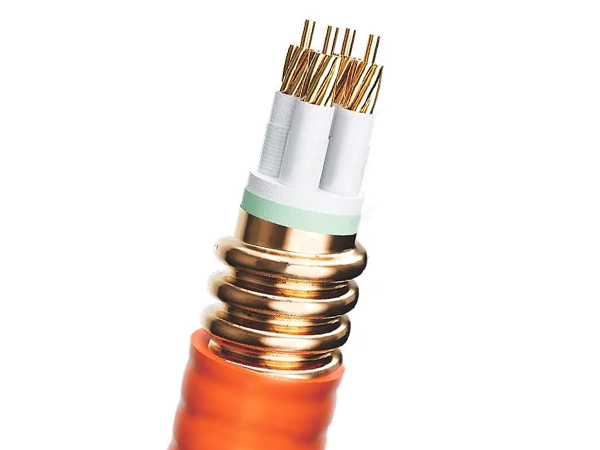
Special cables : Specialty cables include fire resistant cables, waterproof cables, etc. They are designed for electrical transmission in specific environments, with special performance requirements. For example, fire resistant cables can maintain electrical transmission capacity under high temperature and fire conditions ; waterproof cables are suitable for wet or underwater environments, ensuring reliable operation of electrical systems.
Structure
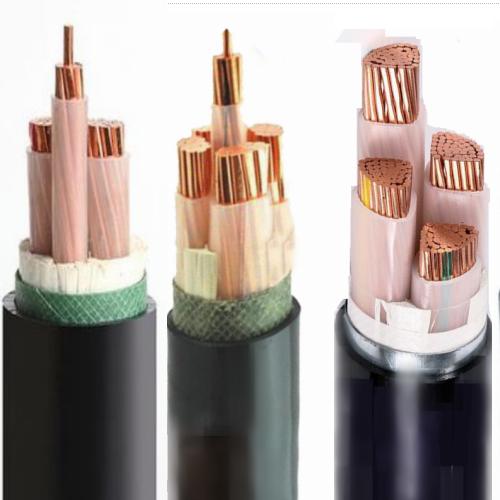
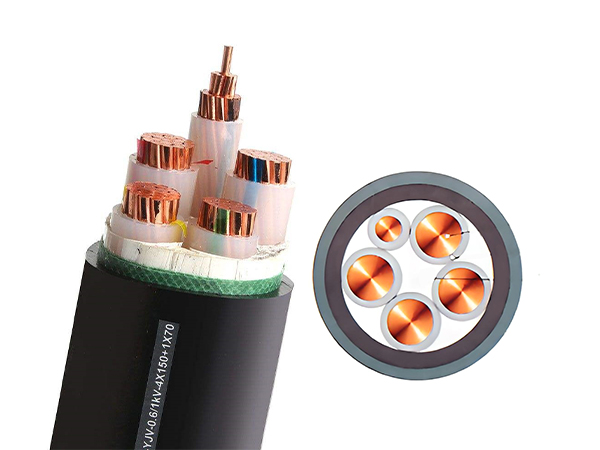
The structure of underground cables generally includes the following parts :
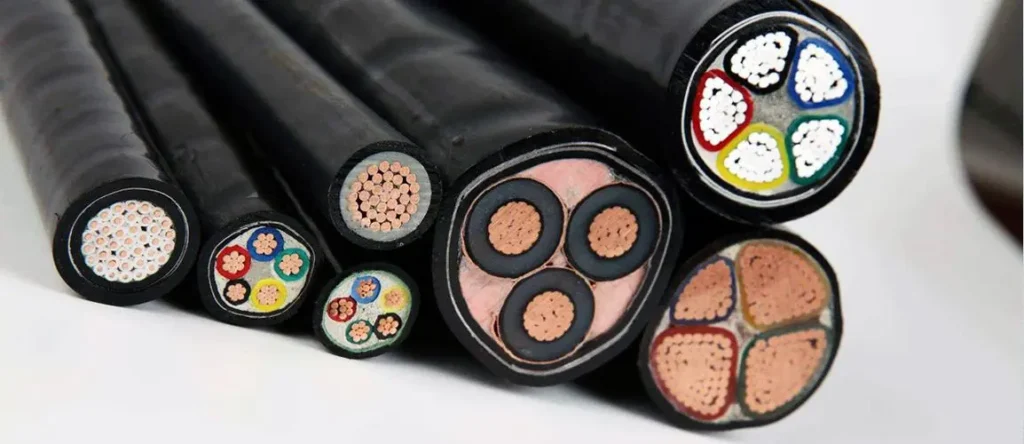
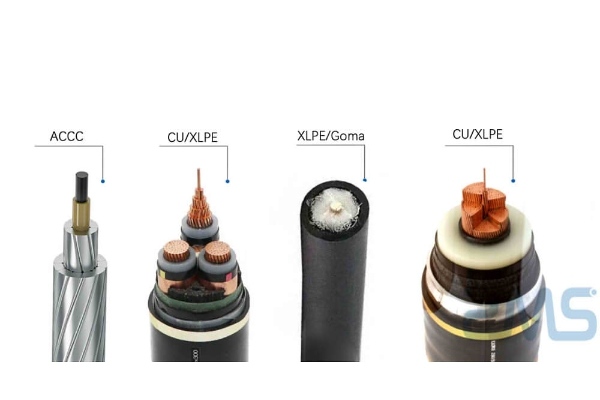
Driver : The cable conductor is made of copper or aluminum, offering excellent conductivity performance. Copper has a higher conductivity than aluminum, but aluminum is lighter and less expensive.
Isolation : The insulation layer of the cable is generally made of polyethylene, cross-linked polyethylene or polyvinyl chloride. Its main role is to prevent current leakage and ensure the electrical performance of the cable.
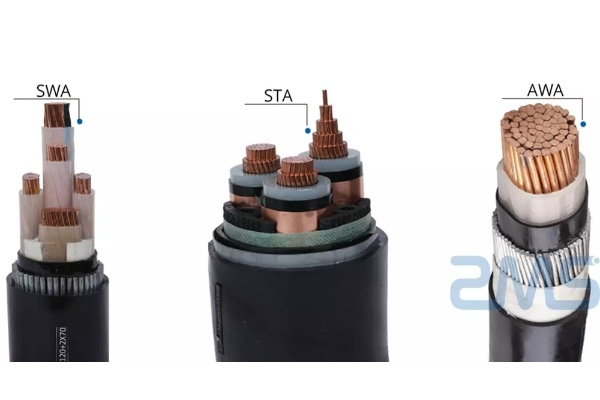
Protective layer : The protective layer protects the cable against mechanical damage, chemical corrosion and other external influences. Commonly used materials include metal shielding and plastic jackets.
Sheath : This is the outer protective layer. It is generally made from materials resistant to wear and corrosion, such as polyethylene and polyvinyl chloride.
Installation methods
Underground cable laying methods are mainly divided into two categories : the excavation method and the trenchless method.
Excavation method : This is a traditional method. This method consists of laying the cables by digging trenches. Steps include determining the route, digging trenches, laying the cables, soil backfilling and surface restoration. This method is suitable for areas where the terrain is relatively flat and the construction environment is relatively simple..
Trenchless method : It includes horizontal directional drilling and micro-trenching. This method is suitable for city centers or other areas where large excavations are not possible. This method can reduce damage to surface facilities and construction impacts on traffic.
What's more, to ensure the long-term reliable operation of underground cables, it is necessary to take certain protective measures during installation, such as waterproofing, protection against corrosion and protection against mechanical damage.
Advantages of underground cables
Underground cables have many significant advantages over overhead cables :
Security : Underground cables reduce the risk of electrocution and are less likely to be damaged by human actions or natural disasters, such as lightning and storms.
Aesthetic : Underground cables are hidden underground and do not cause visual pollution, helping to improve the appearance of cities.
Stability : Since they are not affected by weather conditions, underground cables have a lower failure rate, making electricity supply more stable and reliable.
Maintenance and detection of underground cables
Although underground cables have many advantages, regular maintenance and detection are essential to ensure their long-term stable operation.
Regular detection : This includes monitoring the electrical performance of the cable, such as voltage, insulation resistance and leakage current.
Troubleshooting : Common types of failures include cable breakage, damage to the insulation layer and joint defects. Using modern detection equipment, such as thermal cameras and ultrasonic detectors, failure points can be quickly located and repaired.
Maintenance measures : To extend the life of cables, it is necessary to regularly check the outer protective layer of the cables, repair damaged parts in a timely manner and prevent intrusion of water and chemicals.
Future trends of underground cables
With continued technological advancements, the development of underground cables is also evolving.
Application of new materials : The use of new materials, such as superconducting materials and nanomaterials, will significantly improve the conductivity performance and durability of cables.
Intelligent management : Application of Internet of Things technology in cable monitoring can realize real-time monitoring of cable condition, allowing potential failures to be quickly detected and dealt with.
Development of renewable energies : With the widespread application of solar energy, wind power and other renewable energies, demand for underground cables will increase further, particularly in the field of electricity transmission and distribution.
Conclusion
Underground cables play an indispensable role in the development of modern cities. They not only improve the safety and stability of electric transmission, but also urban aesthetics. With the application of new materials and intelligent technologies, performance and management of underground cables will be further improved. We must actively understand and support the construction of underground cables to help create a safer urban electricity system, more aesthetic and more efficient. ZMS Cable is committed to producing high quality underground cables.
Underground cables produced by ZMS Cable provide exceptional security and stability, effectively reducing the risk of electrocution and weather-related breakdowns. Their high-quality materials and advanced manufacturing technology ensure long life and optimal cable reliability.