
Electrical wiring is a very important aspect when it comes to interior renovations. You should know all the types of cables commonly used for indoor power lines.
Of course, a professional is in the hands of a professional and you can call on an experienced electrician. But we still recommend that you have some knowledge about household cables. After all, electrical safety is very important.
You may spend a lot of effort searching for information and learning the cables. This article will introduce you in detail to all types of household cables.
Types of Ccables Cornately Uused indoors
If you look closely, you will find many different cables. They are in the rooms, on the walls outside the house, in the yard and other places.
These cables are exposed to the external environment. Of course, there are also cables that pass inside walls or are covered by railways.
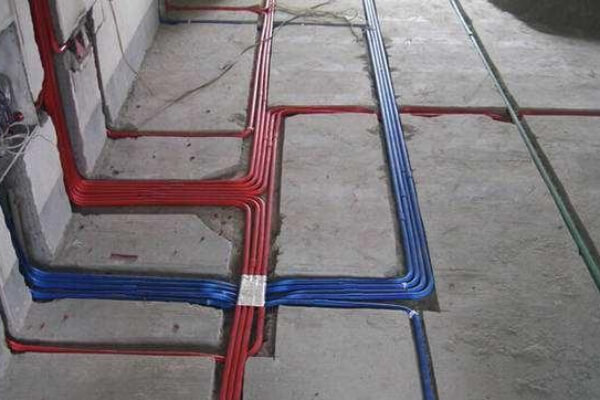
The most common indoor cables are non-metallic cables, armored cables and underground power cables.
Cables no Mmetallic
Non-metallic cable, also called bare cable or bare wire, is a type of cable commonly used in homes and commercial buildings. Unlike traditional metal cables, the conductors of non-metallic cables are usually encased in an insulating material rather than a metallic sheath.
We will explain how non-metallic cables are used indoors.
At home, non-metallic cables are commonly used to connect devices such as televisions, modems and routers. For example, Ethernet cables are commonly used to connect to a home network, while TV antenna cables are used to connect a TV to an indoor antenna.
Before the development of mobile communication devices such as cell phones and computers, telephones were the most commonly used means of communication. Telephones were the most commonly used communication devices, and telephone cables were non-metallic cables
Traditional telephone cables typically use insulating plastic as a conductor to connect home telephone equipment through telephone jacks.
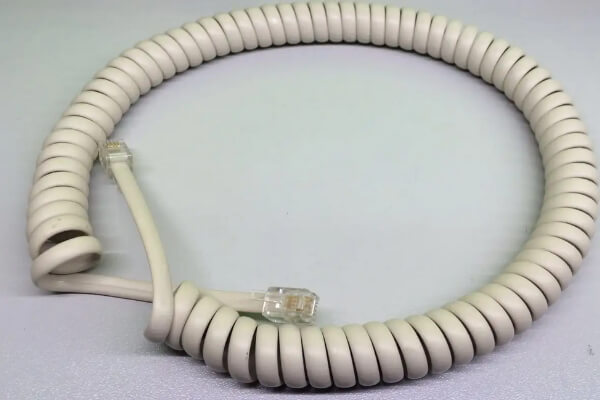
With technology development, we have more and more electrical appliances at home. Most power cables for household appliances such as televisions, computers, vacuum cleaners, air conditioners, etc. also use non-metallic cables.ZMS Cable provides a variety of solutions connectivity and cabling for the home.
Cables Armés
Armored cables are used less indoors than in specific outdoor environments. For example, they must pass through walls or go underground.
In situations where Internet or TV signals must be routed from indoors to outdoors, armored cables are an option. Armor provides additional protection. It can withstand harsh weather and physical damage during prolonged exposure to outdoor environments.
Armored cables are stiffer than regular cables and may require a little effort during installation.
Power cables Soffroad
Underground power cables are also a commonly used type of cable indoors and outdoors. They are typically used for interior cable trays that extend through the floor to the exterior.
Exterior lighting systems, garden lights, the fountains, pool pumps and other outdoor equipment must be powered from indoors.
Exterior lighting equipment such as front door lights and garage facade lights. All this equipment must be connected to underground cables. Ensuring the garage and front door remain properly lit at night or during inclement weather improves safety.
In some beautifully designed landscapes, such as buried lights or light decorations. Underground power cables can be used to connect underground lighting systems to improve nighttime landscaping.
How to Buy Indoor Power Lines
We all want to use good home cable, to ensure better protection of electrical safety. But you can rest assured that domestic cables that meet international standards are able to meet our needs.
Home cable is not like industry, industrial production requires the use of a large number of mechanical equipment, voltage and current requirements are very high. The total power of electrical appliances we need in our daily life is low, and the cables can answer it.
What we need to pay more attention to, it’s about standardizing the usage process.
Of course, the choice of domestic cables depends on your needs. Each type of cable has a different function in household electrical wiring. For example, interior lighting, electrical appliances, telephone lines, etc. You should also consider the power level of your home electrical system.
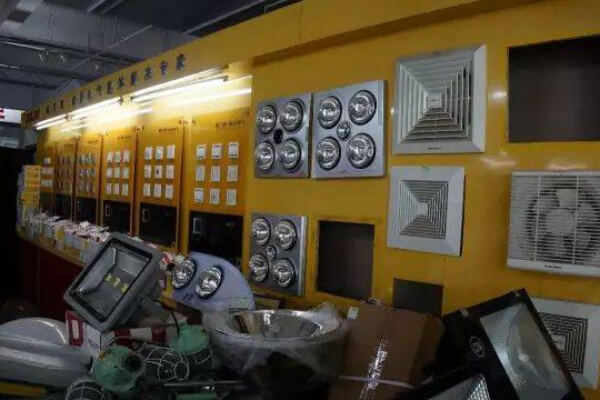
The most important thing to consider when choosing home cables is safety. It is essential to choose high quality cables. Quality cables generally consist of high-quality insulation and conductors that resist abrasion well, to heat and aging.
Ensuite, choose the type of cable suited to the specific use and needs. For example, indoor lamps and lanterns can be equipped with special cables for lamps and lanterns. Power cables for electrical equipment can be selected to meet appropriate standards. Telephone and TV cables also have their own specialized types.
Make sure the cables you choose comply with relevant safety certification standards, such as the certification ISO, certification IEC, etc. These certifications ensure that the cables meet international safety standards and provide a safe and reliable electrical connection.
Now you know more about home wiring ? If you need to replace your indoor and outdoor power lines. We believe you are able to choose the right home cable for you.