
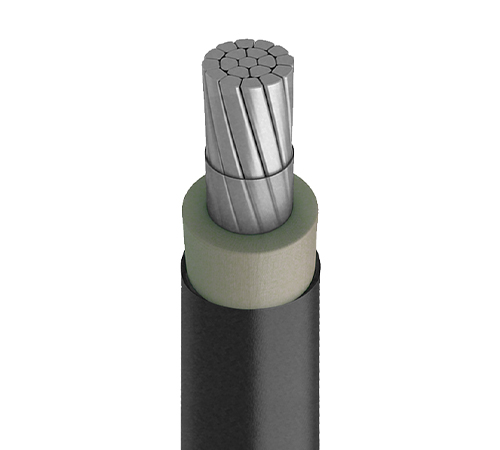
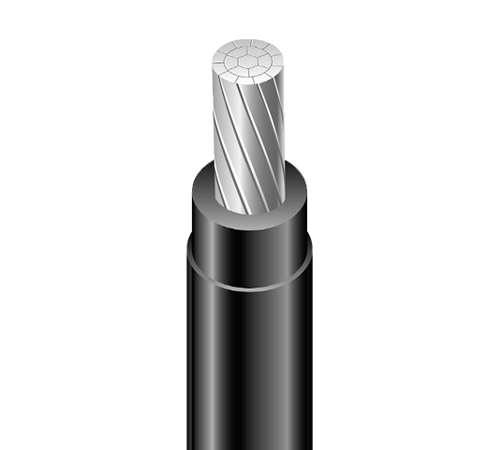
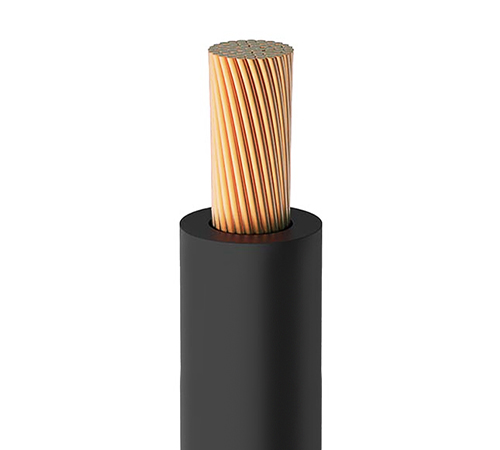
- USE-2 cable has long been used as an interconnection cable for solar modules.
- RHW-2 cable is a low voltage electrical cable, commonly used in transmission and distribution systems, as well as in photovoltaic power plants, wind turbines and other renewable energy projects.
- RHH cable is a type of construction cable. It is mainly used in aerial transmission systems, distribution and lighting.
- ZMS is committed to providing high quality cables using premium raw materials.
USE-2 solar cable / RHW-2 / RHH
Technical designation : USE-2 / RHW-2 / RHH
Structure
Driver : compact aluminum alloy conductor / tinned copper conductor (on demand)
Driver size : 250 – 750 KCMIL ; 14 – 1 AWG
Isolation : XLPE ( CT rating is available upon request for sizes 1/0 AWG et plus.)
Tension nominale : 600V (USE-2 / RHW-2 / RHH)
Rated temperature : 90℃
Installation method : direct burial
Cable performance : waterproof, oil resistant, to chemicals, in the heat, to abrasion, at high temperatures, in the sun, capable of operating in harsh environments.
Flame resistance : Passes VW-1 vertical flame test
Application : USE-2 can be used in grounded solar PV arrays ; RHH is suitable for outdoor photovoltaic installation cables ; RHW-2 is widely used in solar photovoltaic power plants, wind power plants and other renewable energy projects.
Standards and references
Complies with the following standards : ASTM B800 and B801 or B836 (SIW)
UL 44 for RHH or RHW-2
UL 854 pour USE-2
Federal Specification A-A-59544
National Electrical Code, NFPA 70
NEMA WC-70 Construction Requirements
RoHS/Reach Compliance
Choosing the right length of solar cable
The different models of photovoltaic cables each have their specific characteristics and applications. For settings and precise cable application, the choice should be based on actual needs and the usage environment. Selecting the right model of photovoltaic cable can make the electrical connections of the photovoltaic system safer and more stable, while helping to improve the generation efficiency of the system.
Photovoltaic cables manufactured by ZMS are typical examples of high quality among most photovoltaic cables.
Characteristics and advantages of the manufacturer of ZMS PV1-F
The photovoltaic cables produced by ZMS are representative of the high quality typical of most photovoltaic cables.
ZMS Cables offers a comprehensive sourcing service to distributors and suppliers worldwide. This service includes consulting services, purchasing services, transportation services and after-sales services.
ZMS ensures that solar cables are properly packaged to prevent damage or contamination. Packaging methods comply with local regulations and required standards of destination locations.
ZMS uses high quality conductors, guaranteeing excellent conductivity. High-performance insulation and sheathing materials provide reliable insulation and mechanical performance.
| Size(AWG or Kcmil) | Number of strands | Insulation thickness (mils) | Approx diameter (in.) | Approximate net weight (lb./1000′) | Allowable amperage at 90℃wet/dry |
| 14 AWG | 7 | 45 | 0.163 | 21 | 35+ |
| 8 AWG | 7 | 60 | 0.263 | 69 | 80 |
| 6 AWG | 7 | 60 | 0.301 | 103 | 105 |
| 4 AWG | 7 | 60 | 0.350 | 156 | 140 |
| 2 AWG | 7 | 60 | 0.404 | 238 | 190 |
| 1/0 AWG | 19 | 80 | 0.517 | 384 | 260 |
| 4/0 AWG | 19 | 80 | 0.669 | 735 | 405 |
| 250 KCMIL | 37 | 95 | 0.762 | 868 | 455 |
| 300 KCMIL | 37 | 95 | 0.819 | 1031 | 500 |
| 600 KCMIL | 61 | 110 | 1.111 | 2033 | 780 |
| 750 KCMIL | 61 | 110 | 1.205 | 2493 | 885 |
According to the table 310.15 (B)(17) do NEC. + Overcurrent protection for elements marked with an obelisk (+) must not exceed 15 amps for #14 AWG, 20 amps for #12 AWG, et 30 amps for #10 AWG according to NEC footnote 310-17. NOTICED : Data shown is approximate and subject to industry standard tolerances.
USE-2
USE-2 cable has long been used as an interconnection cable for solar modules. Typically used to connect terminals of service equipment, the USE-2 cable is often buried, which requires resistance to temperatures up to 90°C in wet or dry conditions.
USE-2 cables designated as underground entry cables can be used to connect power equipment junctions, but only in humid or dry environments reaching up to 90 degrees Celsius. The nominal voltage of the USE-2 cable is 600 volts. In compliance with US National Electrical Regulations, USE-2 cable can only be used in grounded solar PV installations.
USE-2 cables can generally avoid physical damage through mechanical maintenance. Typically used in locations where a high level of flexion is not necessary, USE-2 cable can be manufactured with stranded or solid conductors. Conductors can be copper, made of aluminum-clad copper or aluminum. The minimum conductor standard for USE-2 cable is 14 AWG. Although widely used with XLPE or EPCV thermoplastic insulation and jacketing, other thermoplastic materials can also be used, such as CP with EP, CP alone, EPCV, SBR/IIR/NR and EP.
USE-2 cables are typically installed in ground or similar environments, so they do not need fire resistance class; overload tests, resistance to crushing and mechanical shock only apply to USE-2 cables. Regarding testing for resistance to sunlight and low temperatures, USE-2 cables can withstand 300 hours in a climatic test chamber and at temperatures as low as -25 degrees Celsius.
USE-2 single conductor cables can be used for bare outdoor installations.
RHH
RHH cable is a type of construction cable. It is mainly used in aerial transmission systems, distribution and lighting. RHH is the abbreviation of 《Rubber High Heat-resistant》, which means rubber cable high heat resistance. It is generally used to protect electrical equipment and systems requiring high resistance, such as engines, generators and control circuits. This cable has features such as waterproof, oil resistance, to chemicals, to heat and wear, allowing it to operate in harsh environments.
The rated voltage of RHH cable is generally 600 volts, but the specific voltage level also depends on the size and use of the cable. This cable is commonly used in high temperature applications, such as the electrical industry, metallurgical, steel industry, etc. The insulation material of RHH cable is usually rubber, and the outer sheath can be PVC, LDPE or XLPE, among other materials.
RHW-2
RHW-2 cable is a low voltage electrical cable, commonly used in transmission and distribution systems, as well as in photovoltaic power plants, wind turbines and other renewable energy projects.
Each letter and number in its name represents a different characteristic : R means it is a rubber cable. H indicates that it is a high temperature cable, with high temperature resistance.
RHW-2 cable is usually made of copper, and its insulation material is generally cross-linked polyethylene (XLPE). It has excellent heat resistance performance, operating stably at high temperatures and able to withstand high loads for long periods of time. Compared to other rubber cables, RHW-2 cable has a higher thermal insulation temperature, up to 90°C.
Custom manufacturing (OEM / ODM)
ZMS designs and produces tailor-made cables according to your technical specifications, with customization of the marking, Colors and packaging. Our products can be adapted to meet international standards (GB, IEC, BS, NFC, ASTM, FROM, etc.) and the specific requirements of each project.
Certified quality
All cables are tested before shipment and comply with CE certifications, IEC and ISO. Detailed test reports can be provided upon request to ensure the reliability and safety of your installations.
Packaging and protection
ZMS cables are carefully packaged on wooden spools, corrugated cardboard boxes or metal drums. Ends are tightly sealed with plastic wrap or BOPP to prevent moisture. Exterior marking can be personalized with waterproof materials.
Transport and delivery
We offer flexible and fast logistics solutions to more than 130 pays :
- Maritime : 20ft or 40ft containers depending on volume.
- Land : Local or regional delivery.
- Air : Option available for rush orders.
We also provide all necessary export documents : commercial invoice, packing list, certificate of origin and customs documents.
Technical support and customer service
Our engineers and advisors support you in choosing the cables best suited to your installations. We offer comprehensive consulting services, including technical assistance and project management, to ensure every step of your order is covered professionally.
Services d’installation
ZMS offers two options for your electrical projects :
- Option A (led by ZMS) : Sending engineers and a supervision team to site to provide technical advice, installers and final tests. Travel expenses, accommodation, per diem and translation are to be expected.
- Option B (local subcontracting) : Collaboration with qualified local companies for installation, with technical training, On-site supervision and compliance verification provided by ZMS.
Related Products
- All Posts
- News
- Blog
- Electric cable types
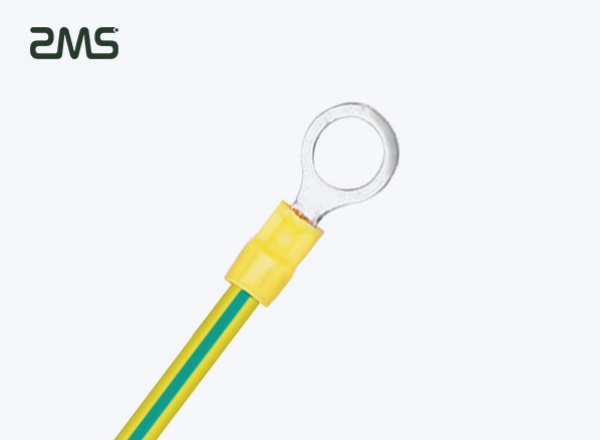
PV grounding cable is mainly used for grounding protection..
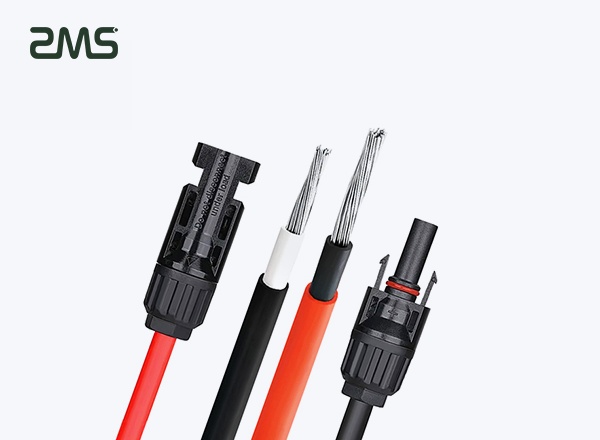
Photovoltaic connector is a type of connector for photovoltaic solar systems. It mainly consists of a body of....
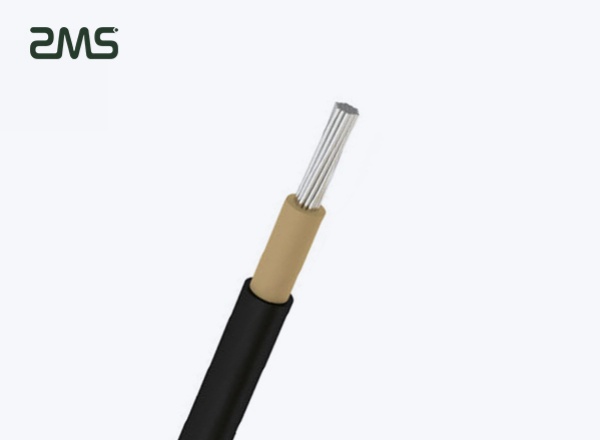
H1Z2Z2-K is a single-core photovoltaic cable Suitable for fixed installations inside and outside pipelines or systems..
