
In modern electricity transmission systems, cables play a crucial role. Considered the “veins” of the electrical network, cable quality and performance directly influence the efficiency and safety of energy transmission. Among them, AAC cables (All Aluminum Conductors) stand out for their exceptional performance and numerous applications, an integral part of the energy industry. This article will take an in-depth look at the features, Applications, the environmental impact and future prospects of AAC cables.
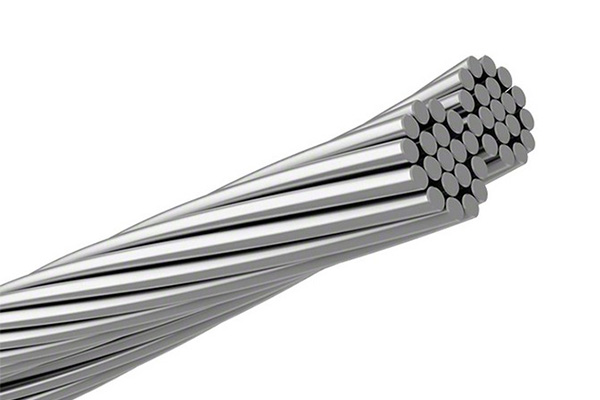
What is an AAC cable ?
Definition of AAC cables
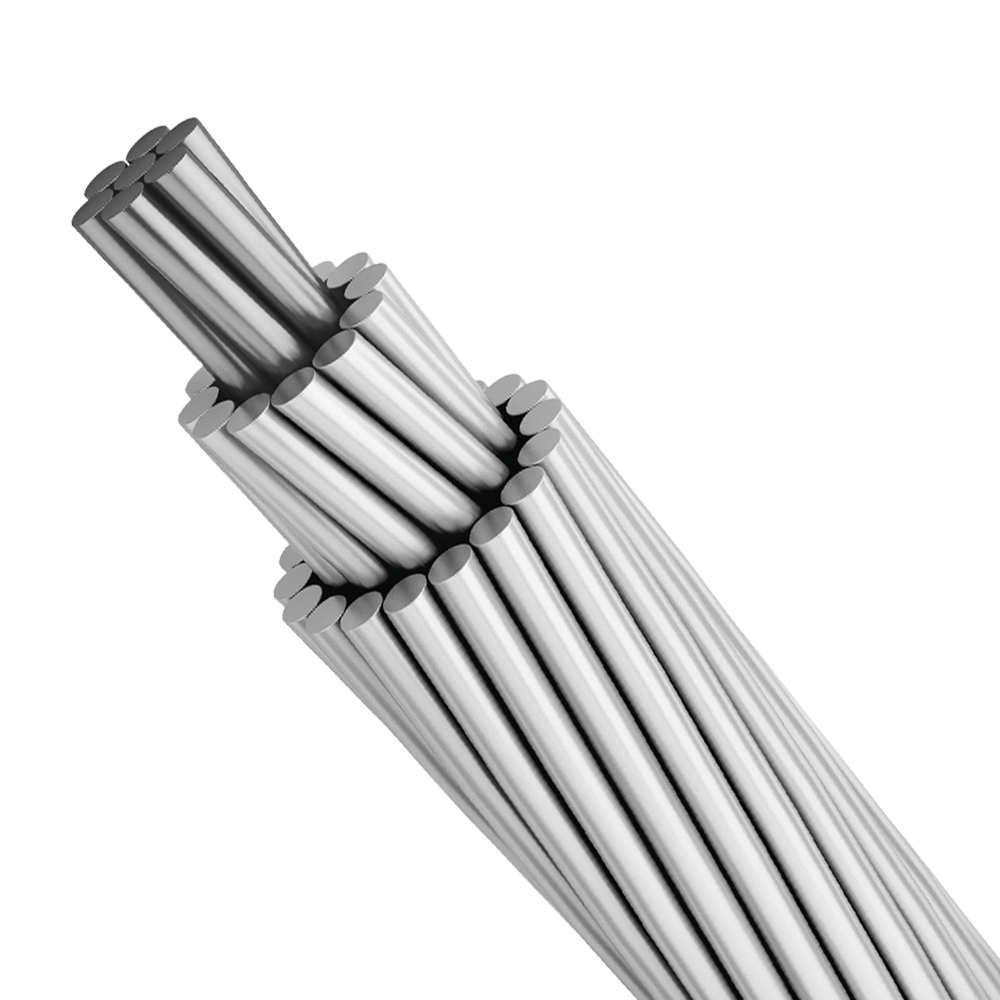
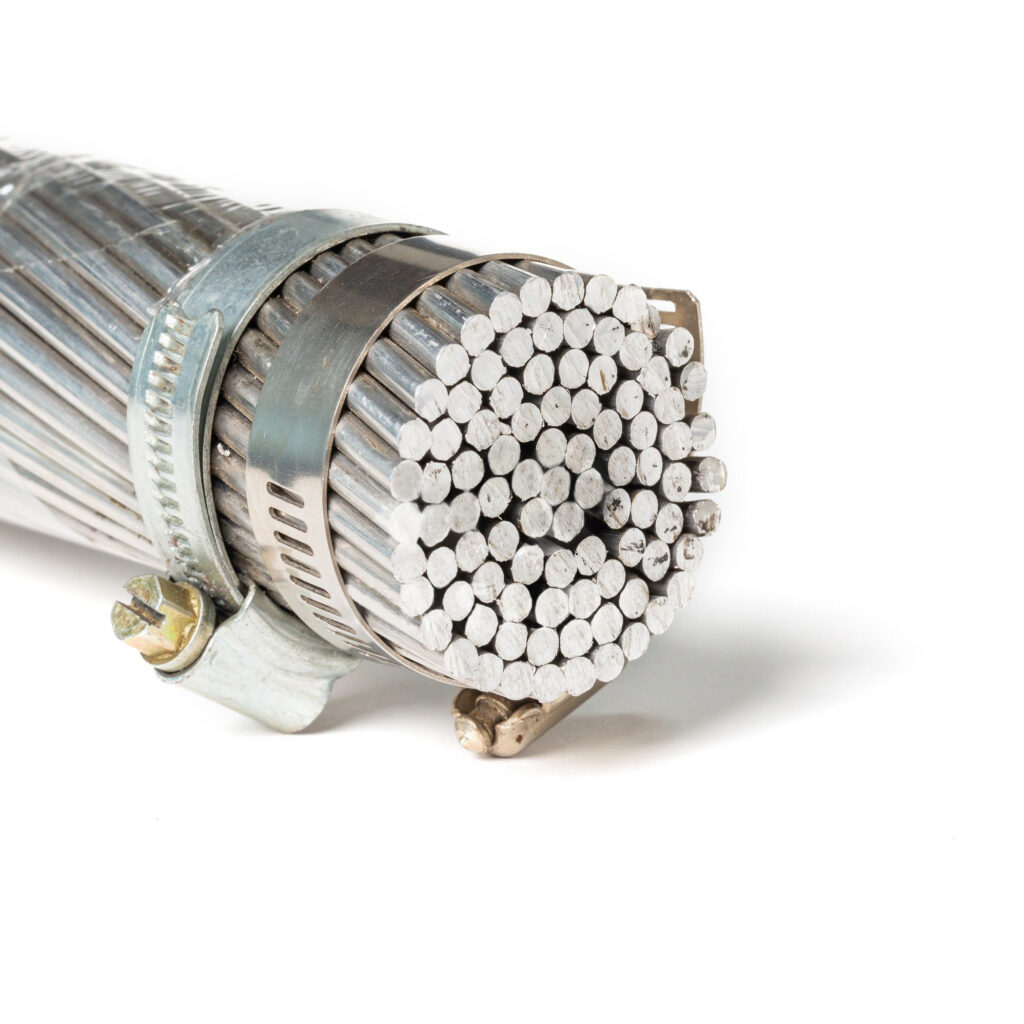
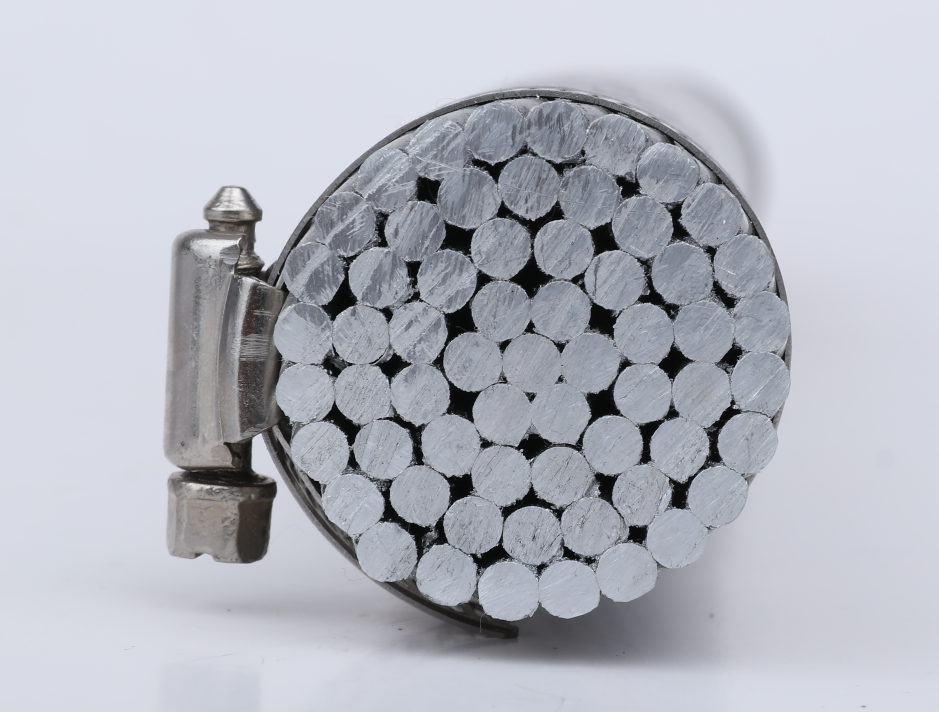
AAC cables, or All Aluminum Conductors (All Aluminum Conductor), are cables made up of several aluminum wires, usually without steel core. This design gives AAC cables unique advantages in terms of light weight and electrical conductivity.
Main Features of AAC Cables
AAC cables have the following characteristics :
High conductivity
Aluminum offers excellent conductivity, allowing efficient transmission of electric current. This makes it suitable for energy transmission.
Lightness
Compared to copper cables, AAC cables are much lighter, which facilitates their installation and transport, thereby reducing labor and equipment costs.
Excellent corrosion resistance
Aluminum has strong resistance to oxidation. An oxide layer forms on its surface, effectively protects against corrosion. This allows AAC cables to perform well in humid or harsh environments. The durability of aluminum also extends the life of AAC cables.
Profitability
Aluminum is generally less expensive than copper, and production costs of AAC cables are lower, giving them a competitive advantage in terms of price.
Flexibility
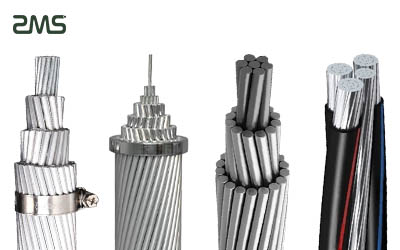
AAC cables are quite flexible, making them easy to fold and install, particularly suited to complex terrain.
Low loss of electrical resistance
Thanks to the low resistance of aluminum, AAC cables effectively reduce energy losses during electrical transmission, thereby improving transmission efficiency.
Wide applicability
AAC cables are widely used in urban distribution networks, distribution networks and lines high voltage transmission, suitable for low and medium voltage electricity transmissions.
Ease of recycling
Aluminum is a highly recyclable metal, and recycling of AAC cables helps reduce resource waste and environmental impact.
Historical background and evolution of AAC cables
First uses
The invention of AAC cables dates back to the beginning of the 20th century. With the rapid development of the electrical industry, AAC cables have gradually been widely used in electricity transmission systems. Their light weight and cost effectiveness have made them an ideal choice for urban and rural networks.
Evolution of materials
With technological progress, aluminum has gradually replaced copper as the dominant material in the cable industry, mainly due to its low cost, of its abundance and excellent performance in many applications.
Environmental sustainability of AAC cables
Recyclability of aluminum
Aluminum is a highly recyclable metal, and the use of AAC cables helps reduce the environmental footprint. During the recycling process, aluminum can be reprocessed into new products, thereby reducing resource waste and carbon emissions.
Life cycle assessment
The lifespan of AAC cables depends on several factors, such as installation environment, the conditions of use and the quality of the cables. AAC cables produced by ZMS Cable guarantee a lifespan of at least 30 ans. By evaluating the complete life cycle of AAC cables, from production to disposal, their environmental impact is relatively low. Compared to copper cables, AAC cables have a reduced environmental impact during manufacturing and processing, thus respecting the principles of sustainable development.
AAC Cable Applications
AAC cables are widely used for low and medium voltage electricity transmission, particularly in urban distribution networks and for short energy transmission distances. They ensure efficient transmission of electricity to end users, guaranteeing a stable power supply. Major applications of AAC cables include :
- Urban distribution networks : Used for the transmission of low and medium voltage electricity over short distances, adapted to complex urban environments.
- Rural networks : Lightweight and economical, they are suitable for long distance transmission and rural power networks.
- Overhead transmission lines : Widely used for low and medium voltage overhead transmission lines, especially in environments where high corrosion resistance is required.
- Humid or coastal regions : Aluminum's corrosion resistance makes it an excellent choice for coastal or humid environments.
- Power plants and renewable energy systems : Used for internal connections of power plants and for transmission in wind and solar energy projects.
- Emergency power transmission : Lightweight and easy to install, they are suitable for the construction of temporary and emergency electrical installations.
- Modernization of electricity networks : As a replacement for old cables, AAC cables are a cost-effective solution.
In these different contexts, AAC cables are distinguished by their lightness, their resistance to corrosion and their profitability.
Improved mechanical performance of AAC cables
Development of modern manufacturing processes
With the advancement of manufacturing processes, the performance of aluminum materials of AAC cables has improved significantly. For example, through heat treatment techniques such as annealing, aluminum conductors produced benefit from better conductivity and durability, thus meeting the growing needs for electricity transmission.
Research on new materials
Scientists are actively exploring new materials, such as nanoscale materials, to improve the tensile strength and thermal resistance of AAC cables. The application of these new materials could pave the way for wider use of AAC cables in high-load environments and extreme conditions.
Role of AAC cables in smart power grids
Application to smart networks
AAC cables play a key role in smart power grids. With the development of intelligent technologies, Using AAC cables can improve the efficiency and reliability of electricity transmission, thus contributing to smarter management of electrical systems.
Sensor and monitoring technology
In the future, AAC cables could integrate sensors and monitoring systems to monitor parameters such as current and temperature in real time. This will improve the security and stability of the electrical system, while reducing the risk of failure.
Market Trends and International Competition of AAC Cables
Market demand and price fluctuations
Fluctuations in aluminum prices directly influence the demand for AAC cables. With increasing global investment in renewable energy and power infrastructure, demand for AAC cables continues to grow.
Export and global competition
Countries like China and India are the major producers of AAC cables, occupying an important place in the global market. With technological advancements and market expansion, AAC cable exports from these countries are expected to continue to increase.
Future technological developments and evolution prospects of AAC cables
Advanced coating and potting technologies
Through the application of advanced coating materials such as nanocoatings, weather resistance and the anti-corrosion ability of AAC cables should be further improved. These technologies will enable cables to maintain exceptional performance even in more hostile environments.
Optimization by automation and artificial intelligence
The introduction of artificial intelligence and automation technologies will significantly increase the production efficiency and quality control of AAC cables. Through data analysis and real-time feedback, each cable will be able to achieve the highest standards in conductivity and quality.
Conclusion
AAC cables, with their lightness characteristics, economy and efficiency, are widely used in the field of electricity transmission. With technological advancements and growing market demand, AAC cables have an even brighter future. Not only do they provide added value in specific applications, but they also demonstrate potential in terms of sustainability and environmental protection. A better understanding of AAC cables allows us to better understand their essential role in the energy industry and contribute to the construction of the electrical infrastructures of tomorrow.